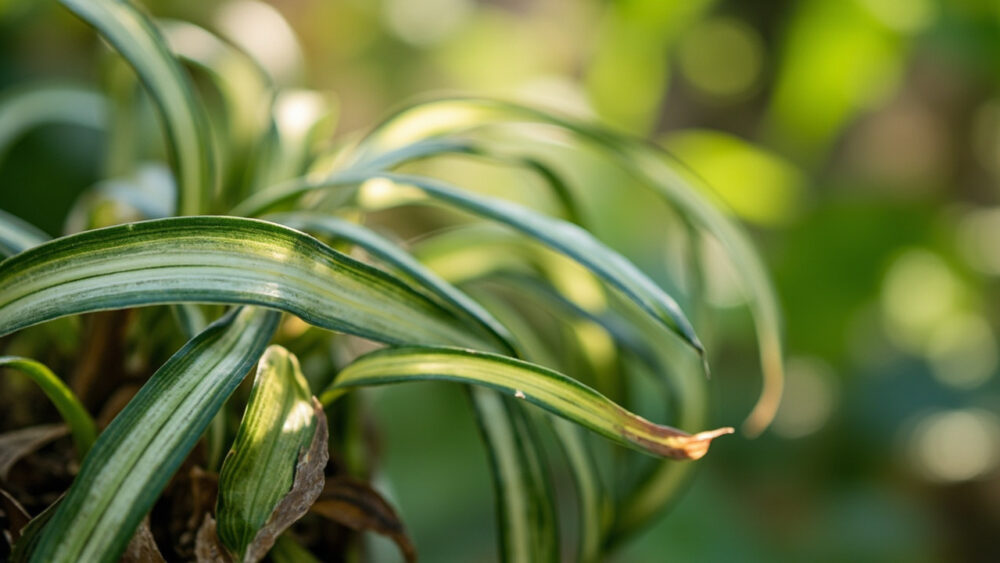
Spider plant drooping is almost always thirst, not overwatering. Check the soil two inches down; if it’s dry and the pot feels light for its size, water it well and most of those leaves will perk back up within a day or two. But that’s the easy case, and it isn’t always the one you’ve got.
Here’s the part most people get backwards: they see droopy leaves, assume the plant is drowning, and cut back on water right when it’s begging for some. That guess kills more spider plants than actual overwatering does. The real tell isn’t the droop itself, it’s where on the plant it’s happening and what the leaf feels like when you pinch it.
Stick with this. Below is every real cause ranked by how often it’s the actual culprit, a side-by-side way to tell them apart in under a minute, an honest read on whether your plant bounces back, and a save-able diagnosis checklist at the very bottom you can run right now, standing next to the pot.
Most Likely Causes, Ranked
1. Underwatering (the most common cause by far)
Confirm it: stick a finger two inches into the soil. Bone dry, and the leaves feel thin, limp, and slightly papery rather than mushy. The pot will also feel noticeably light when you lift it.
Spider plants have fleshy, water-storing roots, but those tubers run out of reserve faster than people expect, especially in a small pot or a hot, dry room.
Fix it: water thoroughly until it runs from the drainage holes, let the excess drain fully, and don’t water again until the top inch or two dries out. Leaves usually firm back up within 24 to 48 hours.
If dry soil wasn’t it, the next likely suspect is the opposite problem.
2. Overwatering or soggy roots
Confirm it: soil is wet or damp several inches down, the pot feels heavy, and leaves are drooping but look mushy, translucent, or yellowed rather than crispy. Pull the plant and check for brown, slimy roots instead of firm white or tan ones.
This is root rot territory, and it’s the one people misdiagnose most because the droop looks identical to thirst at a glance.
Fix it: stop watering immediately. If roots are mushy or smell sour, trim off the rotten parts with clean scissors and repot into fresh, fast-draining potting mix. If roots are mostly firm, just let the soil dry out fully before watering again.
Once water is ruled out either way, light is the next thing to check.
3. Too much direct sun or heat stress
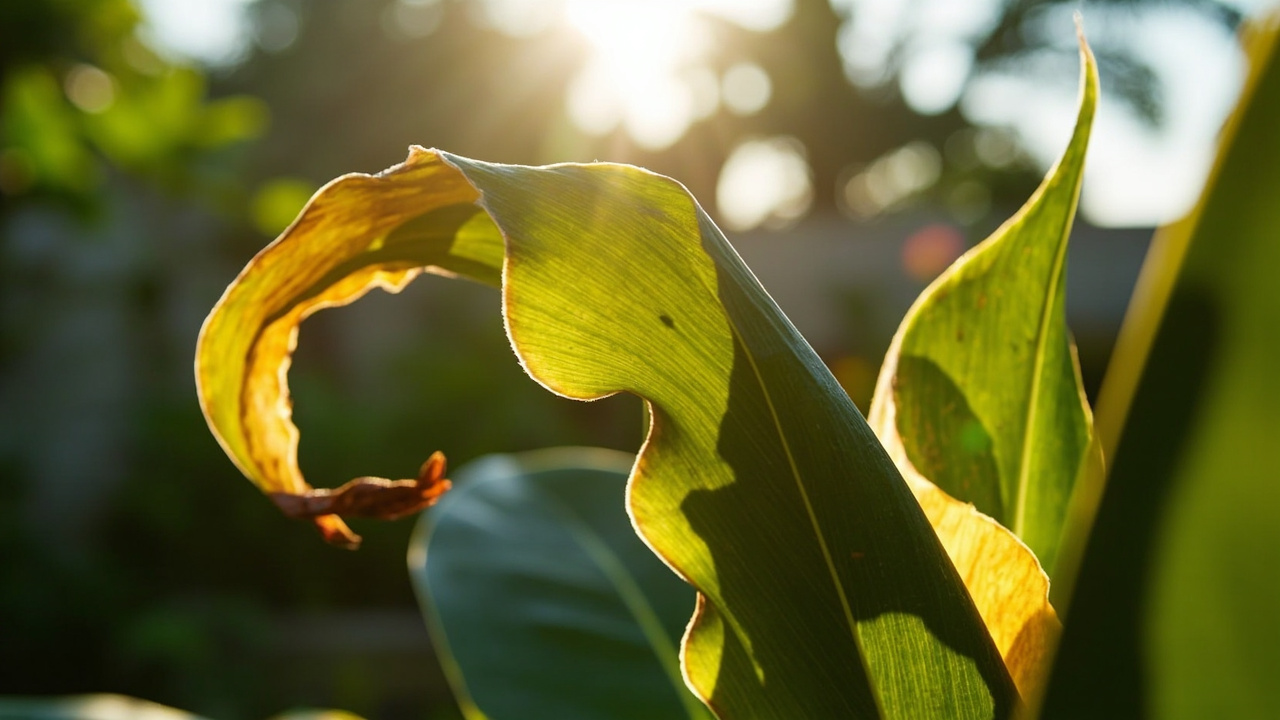
Confirm it: drooping is worse on the side facing a bright window, leaves may show tan or bleached patches, and the plant perks up somewhat overnight when temperatures drop.
Spider plants like bright, indirect light. Hours of direct afternoon sun through glass can scorch and stress them, especially in summer.
Fix it: move the pot a few feet back from the window or add a sheer curtain to diffuse the light. Keep it out of hot drafts from vents or radiators too.
If the light looks fine, the pot itself might be the actual bottleneck.
4. Rootbound or outgrown pot
Confirm it: roots are visibly circling the drainage holes or pushing up out of the soil surface, and the plant seems to dry out unusually fast, sometimes within a day or two of watering.
A mature spider plant fills a pot with roots quickly, and once there’s more root than soil, it can’t hold enough moisture to keep leaves turgid.
Fix it: repot into a container two inches larger in diameter, using fresh well-draining mix. Spring or early summer is the easiest time to do this, but if it’s rootbound now, don’t wait for a season.
If the pot is fine and roots look normal, salt buildup deserves a look.
5. Fertilizer or mineral salt buildup
Confirm it: you see a white or crusty film on the soil surface or pot rim, leaf tips are brown, and you’ve been feeding regularly without flushing the pot.
Excess fertilizer salts pull moisture out of roots rather than letting them absorb it, which produces drooping that looks a lot like drought stress.
Fix it: flush the pot with plain water, roughly triple the pot’s volume, letting it drain completely each time. Cut fertilizing back to once every four to six weeks during active growth, and skip it entirely in winter.
If none of these fit cleanly, it’s worth ruling out pests before you assume the worst.
6. Pests at the roots or crown
Confirm it: drooping paired with fine webbing, tiny crawling insects, or a sticky residue on leaves. Check the crown where leaves meet soil and the undersides of leaves closely.
Spider mites and mealybugs are the usual offenders, and heavy infestations stress the plant enough to cause wilting even when water is fine.
Fix it: isolate the plant, rinse it well under lukewarm water, and treat with insecticidal soap or a horticultural oil, following the product label exactly. Repeat treatments are often needed over two to three weeks.
Once you’ve narrowed down the likely cause, the next step is confirming it against the others.
How to Tell the Causes Apart
Location on the plant matters more than the droop itself. Older, outer leaves going limp first usually points to underwatering or a rootbound pot. New growth drooping first, especially if it’s also yellowing, leans toward overwatering or root rot.
Texture is your fastest test. Crispy, thin, and dry means thirst. Soft, mushy, or translucent means too much water. Bleached or scorched patches mean light, not moisture.
Speed of recovery after watering tells you plenty too. Perks up in a day: underwatering. No change or gets worse: check the roots.
With the cause narrowed down, the real question is what happens next.
Will It Recover?
Underwatering has the best odds. Leaves that are merely limp, not crispy or brown, almost always recover fully within a day or two of a good watering.
Overwatering and root rot are more honest work. Caught early, with firm roots and just soggy soil, the plant recovers well once it dries out. If most roots are mushy and brown, you’re often better off taking healthy cuttings and starting fresh rather than nursing a plant with no functional root system left.
Light and heat stress resolve within one to two weeks of moving the plant, though scorched leaf tissue itself won’t turn green again. Trim it off once new growth appears.
Rootbound plants bounce back within a few weeks of repotting. Salt buildup improves within a week or two of flushing. Pest damage takes the longest, often a month or more of repeat treatment, and severely infested plants sometimes never fully recover their old look even after the pests are gone.
Recovery is one thing, keeping it from happening again is the more useful skill.
How to Keep It From Happening Again
Water on a check, not a calendar. Stick your finger in two inches down before every watering, and only water when it’s dry there.
Use a pot with drainage holes, no exceptions, and a fast-draining mix with some perlite or bark mixed in. Spider plants tolerate neglect far better than they tolerate wet feet.
Keep them in bright, indirect light rather than a sunny sill with hours of direct afternoon sun. Repot every one to two years, or sooner if roots are circling the drainage holes.
Feed lightly during spring and summer only, and flush the pot with plain water every couple of months to clear out mineral buildup.
Those habits solve most future drooping before it starts, but for right now, here’s the fast version.
Diagnosis Checklist
- Check soil moisture two inches down: dry and light pot means underwatering, wet and heavy pot means check for rot.
- Pinch a drooping leaf: crispy and thin points to thirst, mushy and translucent points to overwatering.
- Note which leaves are affected: outer, older leaves suggest thirst or a rootbound pot, new center growth suggests root rot.
- Look for roots at the drainage holes: visible circling roots mean it’s time to repot.
- Check for white crust on soil or pot rim: buildup means flush the pot and cut back on feeding.
- Inspect leaf undersides and the crown for webbing or insects: pests found means isolate and treat immediately.
- Recall your last watering: no water for over a week in dry conditions almost always confirms underwatering as the cause.
- Water thoroughly if soil is dry, and recheck in 24 to 48 hours: firming leaves confirm thirst was the problem.
Most droopy spider plants are just thirsty, and most recover fast once you stop guessing and start checking. The plant is telling you exactly what it needs, you just have to look at the right leaf.