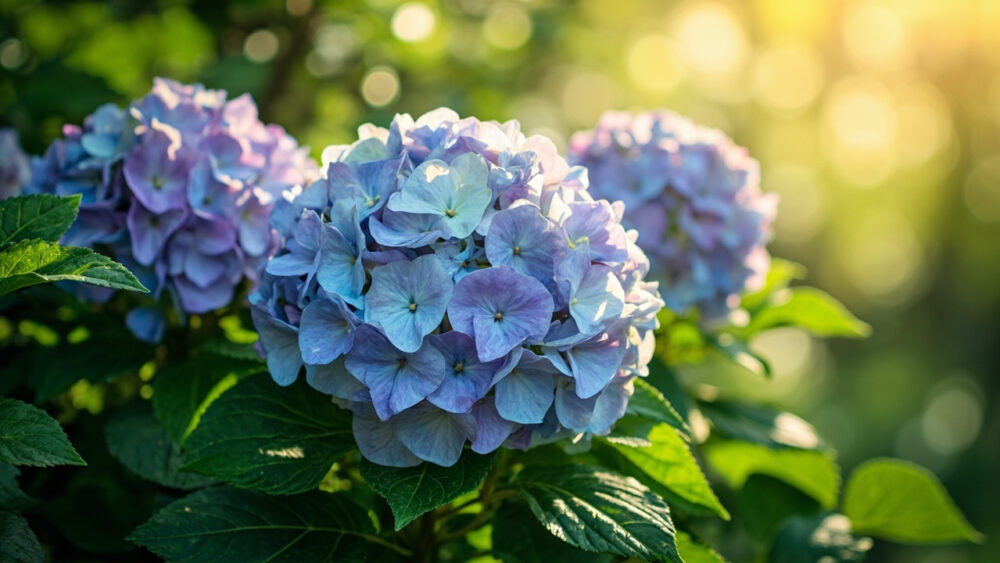
Yes, hydrangeas are perennial shrubs and come back year after year in USDA zones 3 through 9, depending on the species you planted. The plant itself is not the question mark most years. The blooms are.
That gap between “the shrub survived” and “it actually flowered like it did last year” is where most disappointment lives, and it usually comes down to one of two things: winter cold killing next year’s flower buds, or the reader pruning at the wrong time and cutting them off themselves. Both are fixable once you know which one you’re dealing with.
Below I’ll walk through what actually happens to a hydrangea over winter, how to tell what your specific yard or zone is doing to it, and when it’s honestly smarter to just treat one like an annual and stop fighting your climate. Save-able quick-reference card is at the bottom if you want the short version to screenshot before you head back outside.
The Plain Answer, By Zone and Type
The roots and woody stems survive winter reliably in zones 5 through 9 for most hydrangea types. That part of “coming back” is nearly guaranteed once the shrub is established for a year or two.
Flowering is the part that varies. Bigleaf hydrangea (Hydrangea macrophylla) and oakleaf hydrangea set their flower buds on old wood the summer before, so a hard winter or a late frost can kill the buds even while the plant itself lives on fine. Panicle hydrangea (like Limelight) and smooth hydrangea (Annabelle) bloom on new wood grown that same spring, so they flower reliably almost every year regardless of winter severity.
In zone 3 and colder, even hardy types can die back to the ground or fail outright without real protection.
Which type you have decides almost everything else in this article.
What Happens Over Winter, Realistically
The above-ground stems go dormant, the leaves drop, and on old-wood bloomers the flower buds for next year are already sitting in the stems, exposed to whatever winter throws at them. A mild winter with a gradual cold snap barely touches them. A hard freeze after a warm spell, or a late spring frost after new growth starts, is what wipes buds out.
If you see a stem that’s brown, brittle, and dry inside when you scratch it with a fingernail in early spring, that stem is dead and won’t leaf out. Green and pliable underneath means it’s alive even if it looks rough outside.
Don’t assume a hydrangea that looks skeletal in March is finished. Most aren’t.
The real test comes a few weeks later, once new growth starts telling the truth.
How to Help It Actually Return With Flowers
Mulch is your best tool for old-wood types in borderline zones. Pile 4 to 6 inches of shredded leaves, straw, or bark mulch over the base and lower stems after the first hard frost, and pull it back gradually once new growth starts in spring. This protects the buds sitting closest to the ground even if upper stem buds get damaged.
For a hydrangea in a pot, the roots are far more exposed than one in the ground. Move containers into an unheated garage, shed, or against a sheltered wall for winter rather than leaving them out in the open.
Skip fall pruning on macrophylla and oakleaf types entirely. Prune those right after they finish blooming in summer, never in fall or early spring, or you’ll cut off next year’s flowers yourself before winter even gets a chance to.
Panicle and smooth types are far more forgiving here, since you can prune those in late winter without losing a single bloom.
Get the timing wrong once and you’ll understand why so many people think their hydrangea “stopped blooming.”.
When Treating It as an Annual Is Honestly Fine
If you’re in zone 3 or a harsh zone 4 and you fell for a bigleaf hydrangea at the garden center anyway, don’t feel obligated to fight your climate every winter. Some gardeners in cold zones treat macrophylla hydrangeas as a one-season show, enjoy the blooms, and either replace the plant or accept a leaves-only shrub the following year.
There’s no shame in this, and it’s honestly less work than building winter protection structures every October.
If you want a guaranteed comeback with minimal fuss, switching to a panicle or smooth hydrangea solves the whole problem, since both are hardy to zone 3 or 4 and bloom on new growth no matter how brutal the winter was.
Right plant for your zone beats extra effort on the wrong one, every time.
That trade-off is exactly what the quick reference below is built to help you make on the spot.
Hydrangeas: Quick Reference
- Perennial status: yes, hydrangeas are woody perennial shrubs and return yearly in zones 3 through 9, depending on species and winter severity.
- Old wood bloomers: bigleaf and oakleaf hydrangeas set flower buds the prior summer, so cold winters or late frosts can kill blooms while the plant survives.
- New wood bloomers: panicle (Limelight type) and smooth (Annabelle type) hydrangeas bloom on the current season’s growth and flower reliably nearly every year.
- Winter protection: mound 4 to 6 inches of mulch over the base of old-wood types after the first hard frost, pulling back gradually in spring.
- Pruning timing: prune macrophylla and oakleaf right after summer bloom, never in fall or spring, or you remove next year’s flowers yourself.
- Potted hydrangeas: move containers to an unheated garage or sheltered spot for winter since roots above ground freeze faster than roots in soil.
- Cold zone honesty: in zone 3 or harsh zone 4, treating a bigleaf hydrangea as an annual, or swapping to panicle or smooth types, is often the simpler fix.
Know your hydrangea’s type and your zone, and the guesswork mostly disappears.
Everything else is just mulch, timing, and patience.