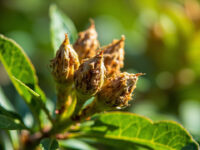
Asiatic lilies bloom in early to mid summer, typically June into July depending on your climate, and each stalk stays in flower for about two to three weeks. That is the direct answer, but it is not the whole story if you are standing next to a lily right now trying to figure out why yours looks nothing like that.
Your specific yard, your bulb’s age, and one very common planting mistake all shift this timeline in ways a calendar date cannot predict. There is also a real difference between a plant that is late and a plant that is never going to bloom this year, and mixing those two up wastes a season of guessing.
Stick around for the part on getting a second wave of color out of one planting, and save the quick-reference card at the very bottom for exactly what to check on your own lily today.
The Real Bloom Window, and Why “June” Isn’t Always Right
Asiatic lilies are the earliest of the common garden lilies to bloom, ahead of Oriental and trumpet types by several weeks. In warmer zones, 7 and up, expect flowers as early as late May or early June. In colder zones, 3 through 5, mid to late June or even early July is normal.
Each individual bloom lasts about a week, but a single stalk carries multiple buds that open in sequence, stretching the show to two to three weeks per plant.
A mixed planting of several bulbs staggers further, since not every bulb breaks bud on the same day.
That two to three week window per stalk is the baseline, but the thing that actually decides your start date is sitting a few inches under the soil.
What Actually Controls When Your Lily Blooms
Bloom timing comes down to three things: soil temperature in spring, bulb maturity, and sun exposure. Lilies need the soil to warm up before they push real growth, so a cold, wet spring delays everything by a week or two compared to an early, warm one.
A first-year bulb, especially one planted in fall, often blooms a little later and smaller than an established clump, since it is still building root mass. By year two or three, established clumps bloom earlier and heavier.
Sun matters just as much. Lilies want six or more hours of direct sun. In partial shade, stems stretch, flop, and bloom later and thinner than the same bulb in full sun.
If your lily is running late, the next question is whether it is actually going to bloom at all this year.
Why Your Asiatic Lily Isn’t Blooming
If you assumed a non-blooming lily just needs more fertilizer, that guess is wrong more often than it is right. The usual culprits are different.
- Not enough sun: shade-grown lilies put energy into reaching for light instead of forming flower buds.
- Bulb planted too shallow: Asiatic lily bulbs want 4 to 6 inches of soil over the top of them; shallow planting leaves them exposed to temperature swings that discourage blooming.
- Foliage cut down too early last year: if the leaves were removed while still green, the bulb never fully recharged for this year’s bloom.
- Overcrowding: a clump that has not been divided in four or five years often blooms less because the bulbs are competing for the same nutrients and space.
- A young bulb: a bulb planted last fall may need one full season to establish before it blooms strongly.
None of these mean the plant is dead, a non-blooming lily with healthy green growth is very likely to bloom the following year once the real cause is fixed.
Fixing the cause is one thing, but getting more flowers out of a healthy lily is a different project entirely.
How to Get More Blooms, and a Longer Show
You cannot force a lily to bloom twice from the same stalk, but you can get more flowers overall and stretch the display. Plant bulbs in groups of five to seven rather than singly. Staggering a few at slightly different depths, or mixing early and mid-season lily types, spreads bloom over a longer stretch instead of one concentrated burst.
Feed with a balanced or bloom-boosting fertilizer in early spring as shoots emerge, and again right after bloom finishes.
Divide overcrowded clumps every three to four years in fall, once foliage has died back, and replant at the same 4 to 6 inch depth with 8 to 12 inches between bulbs.
Consistent moisture during bud formation, roughly the four to six weeks before bloom, makes a real difference in bud count too. A lily that dries out hard during that stretch drops buds before they even open.
More flowers only matter if you also know how to keep each one looking good, which is where deadheading comes in.
Deadheading and Aftercare That Stretch the Bloom
Snip spent blooms off individually as they fade, cutting just the flower and its stem, not the whole stalk. This keeps the plant’s energy going into remaining buds instead of seed production, and it keeps the display looking clean for those two to three weeks.
Leave the green foliage and stalk standing after the last bloom drops. That foliage is recharging the bulb for next year, and cutting it early is one of the most common reasons a lily fails to bloom the following season.
Once the stalk yellows and pulls away easily in fall, it is safe to cut it back to the ground.
A quick note if you have pets: Asiatic lilies are highly toxic to cats specifically, capable of causing acute kidney failure even from small amounts of pollen or leaf. If a cat chews on or licks this plant, contact a veterinarian immediately rather than waiting to see if symptoms appear.
That toxicity risk is worth knowing before you decide where to plant them, and it is one of the details in the card below.
Asiatic Lilies: Quick Reference
- Bloom season: late May through July depending on zone, earliest of the common garden lilies.
- Bloom duration: individual flowers last about a week, full stalk blooms two to three weeks, staggered plantings extend the display further.
- Sun needs: six or more hours of direct sun for strongest, earliest blooms.
- Planting depth: 4 to 6 inches deep, 8 to 12 inches apart, in groups of five to seven for best display.
- Common no-bloom causes: too much shade, shallow planting, foliage cut back too early last year, overcrowded bulbs, first-year immaturity.
- Aftercare: deadhead spent flowers individually, leave foliage standing until it yellows naturally, divide crowded clumps every three to four years in fall.
- Pet safety: highly toxic to cats, contact a veterinarian immediately for any suspected ingestion.
Get the sun, depth, and spacing right and an Asiatic lily is one of the most reliable bloomers you can plant.
Skip a step and it will tell you, plainly, the very next season.