Calathea care comes down to four things the plant will not compromise on: bright indirect light, evenly moist soil that never fully dries or stays soggy, humidity well above what most living rooms offer, and zero cold drafts. Get those four right and the leaves stay flat and vividly patterned. Miss even one and calathea tells you fast, usually with curling, browning edges, or leaves that clamp shut and refuse to reopen.
Most people lose their calathea to one specific mistake, and it is not underwatering. It is watering on a schedule instead of checking the soil, which drowns the roots long before anyone notices.
There is also a sign almost everyone misreads as the plant dying when it is actually the plant doing exactly what it is built to do, and a humidity fix that sounds helpful but often backfires. Stick around for both, plus the save-able Calathea at a Glance card at the very bottom with the numbers you will actually want to remember.
Light, Placement, and Temperature
Calathea wants bright, indirect light, the kind you get a few feet back from an east or north window, or filtered through a sheer curtain on a west or south exposure. Direct sun bleaches the leaf pattern and scorches edges within days.
Too little light is more common than too much. A calathea pushed into a dim corner will survive for a while but stop producing new leaves and lose color in the ones it has.
Temperature matters more than most houseplant guides admit. Calathea wants 65 to 80°F and hates anything below 60°F, and it treats a cold windowsill or an AC vent the same way it treats a heater vent, as a stress it will show you in the leaves.
Placement is really a temperature decision as much as a light one.
Watering: How Much, How Often, and How to Tell
Water when the top inch of soil is dry to the touch, which in most homes lands somewhere between every 5 and 9 days. Water until it runs from the drainage holes, then let the pot fully drain and never let it sit in a saucer of standing water.
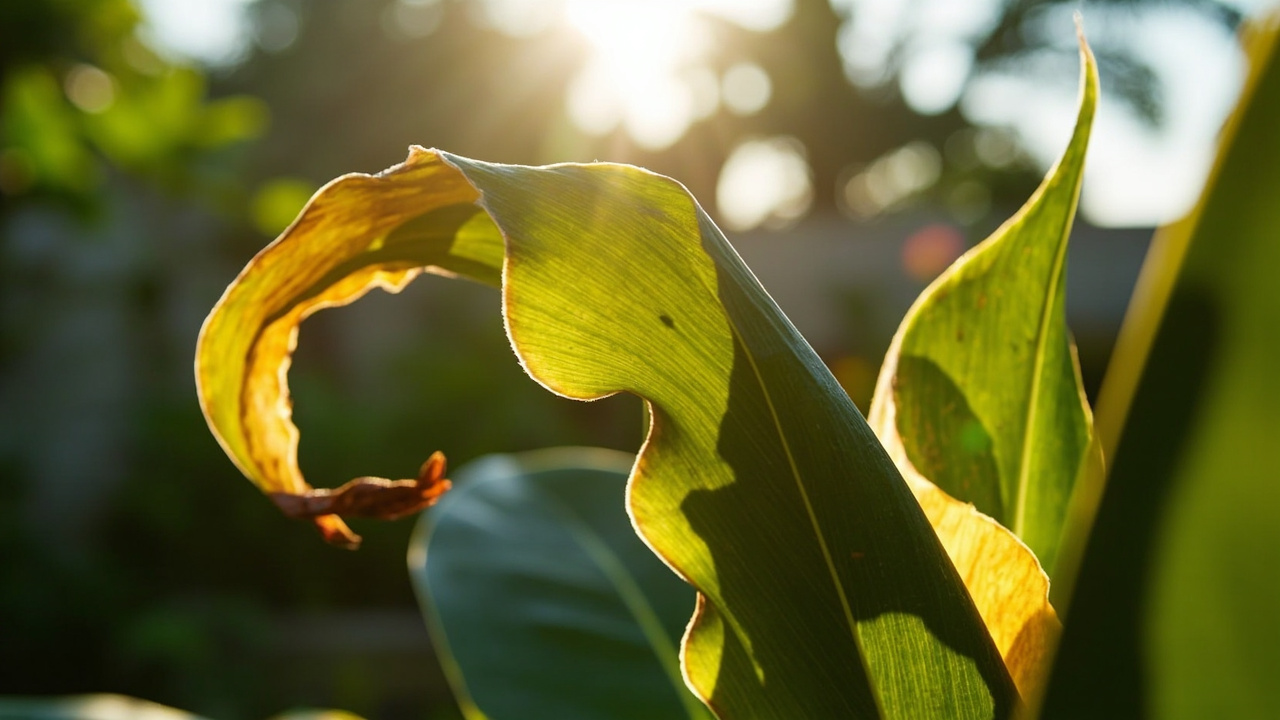
If you assumed curling, crispy edges mean the plant needs more water, that guess is right about half the time and wrong the other half, and guessing wrong is how root rot starts. Crispy brown edges with soil that is still damp underneath usually mean low humidity or mineral buildup from tap water, not thirst.
Soggy, dark, mushy stems near the soil line mean the opposite problem, and by the time you see that, root rot is often already underway.
Calathea also strongly prefers distilled water, rainwater, or tap water left out overnight to dissipate chlorine, since it is genuinely sensitive to the salts and minerals in hard tap water showing up as crispy leaf margins.
Getting the water right solves maybe half the battle, the other half lives in the air around the leaves.
Soil, Pot, and Feeding
Use a light, well-draining mix, something like a standard potting soil cut with perlite or orchid bark, roughly 20 to 30 percent amendment. Calathea roots are fine and shallow, and they suffocate in heavy, dense soil that stays wet for days.
Always plant in a pot with drainage holes. Decorative pots without holes are fine as outer cache pots, never as the actual growing container.
Feed lightly during the growing months, spring through early fall, with a balanced liquid houseplant fertilizer diluted to half strength, applied every 4 to 6 weeks. Skip feeding entirely in fall and winter when growth slows.
Calathea has thin, sensitive roots that burn easily, so more fertilizer is never the fix for a struggling plant.
Once the soil and feeding routine is dialed in, the plant mostly asks you for maintenance, not intervention.
Pruning, Repotting, and Cleaning
Trim yellow or fully browned leaves at the base of the stem with clean scissors as they appear, any time of year. There is no real pruning season with calathea since it does not grow on a woody framework you are shaping.
Repot every 1 to 2 years in spring, moving up one pot size, once you see roots circling the drainage holes or the plant drying out unusually fast between waterings. Calathea actually prefers being slightly snug in its pot, so resist the urge to size up dramatically.
Wipe the leaves with a damp cloth every couple of weeks. Dust blocks light and traps spider mites, and calathea’s broad leaves collect it fast.
That cleaning habit doubles as your earliest warning system for the problems below.
The Sign Everyone Misreads
Calathea leaves rise up and fold together in the evening and reopen flat in the morning, a real, well-documented movement plants in this family are known for. New owners almost always panic the first time they see it, assuming the plant is dying or desperately underwatered.
That daily folding is normal and not a symptom of anything. What is actually a symptom is a plant that stays folded well into daylight hours, which usually points to the soil being too dry or the room being too cold.
So the honest rule is simple: evening folding, ignore it. Daytime folding that does not release by mid-morning, check soil moisture and room temperature.
Once you can tell normal movement from real distress, the rest of troubleshooting gets much easier.
Problems Most Likely to Strike
Crispy, browning leaf edges almost always trace back to low humidity or hard tap water, not underwatering. Run a humidifier nearby, group plants together, or set the pot on a tray of pebbles and water, and switch to distilled or rested water.
Yellowing lower leaves in small numbers are normal aging. Widespread yellowing usually means overwatering or a pot without drainage.
Curling leaves point to either underwatering or a cold draft, so check the calendar of your last watering and the nearest vent or window before changing anything.
Spider mites show up as fine webbing and stippled, dusty-looking leaves, especially in dry indoor air, and are treated with insecticidal soap or a horticultural oil applied exactly per the product label. Ingesting calathea is not considered toxic to cats, dogs, or people, but any pet that seems ill after chewing houseplants should still see a veterinarian.
Most of these problems trace back to the same root cause, which makes the fix easier than it looks.
How to Tell It Is Actually Thriving
A thriving calathea pushes new leaves from the center on a regular basis through spring and summer, with each new leaf unfurling tightly rolled before flattening out. The color pattern on new growth should look as sharp as it does on established leaves, not faded.
Healthy leaf movement, that evening fold and morning reopen, is itself a good sign, not a warning, since a badly stressed plant often stops moving at all.
Stems should stand upright and firm, and the leaf undersides, often a deep maroon or purple in many varieties, should look glossy rather than dull or dusty.
If your plant checks those boxes, you have already solved the hard part, and everything below is just the numbers to keep it that way.
Calathea at a Glance
- Light: bright, indirect light a few feet from an east or north window, or filtered light from a sheer-curtained south or west window, never direct sun.
- Water: when the top inch of soil is dry, roughly every 5 to 9 days, using distilled water, rainwater, or rested tap water, watered until it drains fully.
- Temperature and humidity: 65 to 80°F, nothing below 60°F, with humidity ideally above 50 percent from a humidifier or pebble tray.
- Soil and pot: light, well-draining mix with 20 to 30 percent perlite or bark, always in a pot with drainage holes.
- Feeding: balanced liquid fertilizer at half strength every 4 to 6 weeks, spring through early fall only.
- Repotting: every 1 to 2 years in spring, one pot size up, once roots circle the drainage holes.
- Warning signs: crispy edges mean low humidity or hard water, mushy stems mean root rot, daytime leaf folding means dry soil or cold.
Get the water and humidity right and calathea forgives almost everything else. When in doubt, check the soil with your finger before you touch the watering can.