The best time to plant raspberries is early spring, about 2 to 4 weeks before your last frost date, as soon as the soil can be worked and is no longer waterlogged. If you missed that window, fall planting works too in milder climates, roughly 4 to 6 weeks before the ground freezes. Nurseries also sell potted raspberries all summer, which tempts a lot of people into planting at exactly the wrong moment.
That timing question sounds simple, but there is a mistake buried in it that takes down more raspberry patches than any disease. There is also a sign most people misread in their own soil, one that has nothing to do with the calendar and everything to do with whether your roots will actually take.
Stick around for the honest answer to what happens if you plant a container raspberry in July because that is what the store had, and for the save-able Raspberries at a Glance card at the bottom with every number in one place.
The Real Planting Window, Anchored to Frost and Soil
Raspberries are planted as bare-root canes or potted plants, and the two have slightly different windows. Bare-root canes want to go in while dormant, which means early spring before buds break, roughly 2 to 4 weeks before your last frost, once soil temperature is at least 40 to 45 F. They can also go in during dormancy in fall in zones 5 through 8, about a month before the ground freezes solid.
Potted raspberries are more forgiving because their roots are already established. You can plant them spring through late summer, but spring still wins because the plant gets a full season to root in before facing winter or summer stress.
Soil temperature matters more than the date on your phone. Frozen or waterlogged soil at 32 to 38 F will just sit there rotting a bare-root cane instead of growing it.
Frost date gets you close, but your own dirt has the final word.
How to Tell Your Actual Window, Not the Almanac’s
Here is the sign almost everyone misreads: they wait for warm air, when what they should be checking is warm, workable soil at root depth. Air can hit 60 F on a sunny afternoon while the ground six inches down is still cold and heavy.
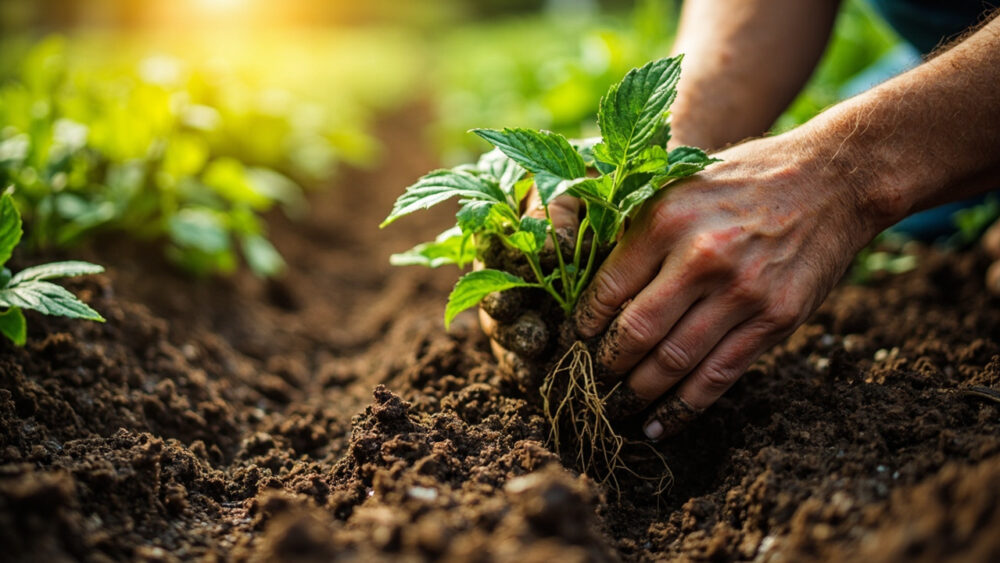
Grab a handful of soil from where you intend to plant, about 4 to 6 inches deep. If it forms a tight, slick ball that stays packed when you poke it, it is too wet. You want it crumbly, holding loose shape but breaking apart with light pressure.
A soil thermometer removes the guesswork. Push it 4 inches down in the morning before the sun has warmed the surface. Once you are reading 40 F or higher for bare-root, or 50 F or higher for potted plants going in comfortably, you are in business.
Your yard’s actual window might run two or three weeks ahead of or behind a neighbor a mile away with different drainage.
The Mistake That Ruins Most First Attempts
If you assumed the danger is planting too early and freezing the canes, that is the wrong fear. Dormant bare-root raspberries tolerate a surprising amount of cold once in the ground, and a light frost after planting rarely kills them.
The real damage happens two ways, and both are common. Planting too early into soggy, cold soil rots the roots before they ever get a chance to grow, because raspberry roots need oxygen and waterlogged ground suffocates them just as fast as drought stresses them.
Planting too late, deep into summer heat, does the other kind of damage. A bare-root cane pushed into hot, dry soil in June has no root system yet to support the leaves it is trying to grow, and it cooks. Potted plants survive summer planting far better, but even they sulk and stall if you skip watering for the first two to three weeks.
Neither mistake is instantly obvious. The cane can look fine for two or three weeks before it collapses, which is exactly why so many people blame the wrong thing later.
Get the timing right and the next question is what the ground needs before the canes ever arrive.
Prep to Finish Before the Window Opens
Raspberries want full sun, at least 6 hours a day, and soil that drains well but holds some moisture, ideally a pH between 5.6 and 6.5. Heavy clay that stays wet through spring is the single most common reason a new patch struggles in its first year.
Work in 2 to 3 inches of compost across the planting row a few weeks before you plant, deeper if your soil is dense clay or thin sand. Do this while the ground is still workable but before you are trying to plant into it the same day.
Set up your support system now, not after the canes are in. A simple two-wire trellis at 3 and 5 feet high, strung between posts, saves you from fighting floppy canes later in the season.
- Space plants 18 to 24 inches apart within the row
- Leave 6 to 8 feet between rows for airflow and picking room
- Plant bare-root crowns about 1 to 2 inches deep, potted plants at the same depth they sat in the pot
Once the bed is built and the trellis is up, the actual planting takes twenty minutes and the soil test tells you exactly when to do it.
Region and Zone Notes That Actually Change Your Answer
In zones 3 through 5, with long cold winters, spring planting is the safer default. Fall planting in these zones risks the canes not rooting in deeply enough before a hard freeze locks up the ground.
In zones 6 through 8, both spring and fall work well, and fall planting has a real advantage: cooler air temperatures mean less transplant stress and the roots get a head start before spring growth demands water and energy.
In zone 9 and warmer, summer heat is the enemy, not winter cold. Plant in late winter or very early spring while it is still cool, and choose heat-tolerant varieties since standard raspberries often struggle without afternoon shade in hot climates.
Everbearing (fall-bearing) types and summer-bearing types go in the ground on the same schedule; the difference is in when they fruit, not when they plant.
Wherever you garden, the window is really about your soil and your frost dates working together, not a date that applies everywhere.
Raspberries at a Glance
- When to plant: early spring, 2 to 4 weeks before last frost, or fall in zones 5 through 8, about a month before the ground freezes.
- Soil temperature to look for: at least 40 to 45 F for bare-root canes, 50 F or warmer for potted plants going in later.
- Soil check: crumbly and workable at 4 to 6 inches deep, not slick or forming a tight wet ball.
- Spacing: 18 to 24 inches between plants, 6 to 8 feet between rows.
- Planting depth: 1 to 2 inches for bare-root crowns, same depth as the pot for container plants.
- Light and pH: at least 6 hours of full sun, soil pH between 5.6 and 6.5.
- Biggest risk: cold, waterlogged soil rotting bare-root canes, or hot dry soil cooking canes planted too late.
Get the soil right before you worry about the date, and the date almost takes care of itself.
A raspberry patch planted into good, workable ground in its proper window will outlast most of the fences you build around it.