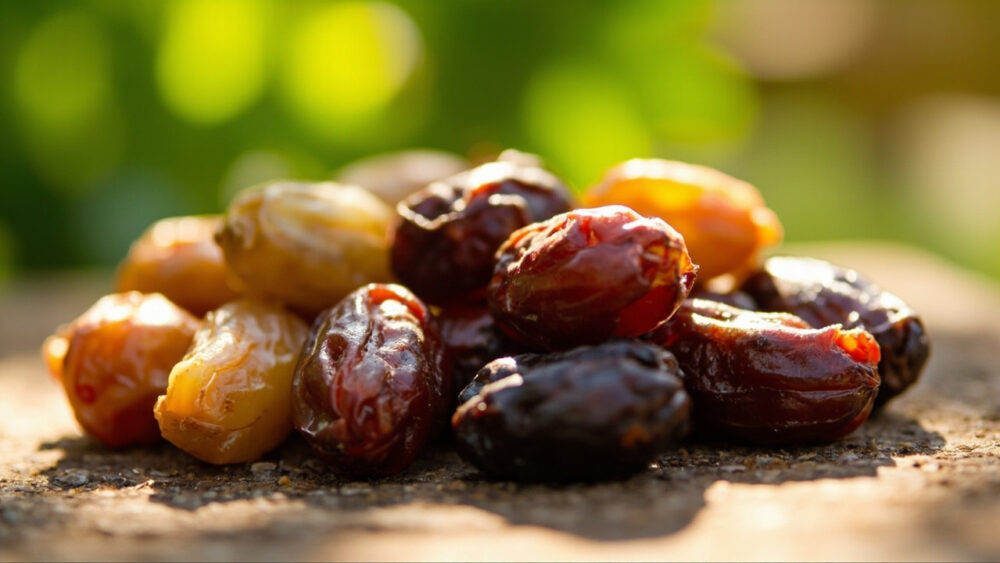
The fastest way to sort out the different types of dates is by texture: soft, semi-dry, or dry. That one distinction tells you more about how a variety will taste, store, and grow than the name on the tag ever will. Get that sorted and the rest of the choice comes down to climate and patience, since date palms need long, hot summers and take years to bear fruit worth eating.
Most home growers reach for Medjool because it is the only name they know, which is a fine reason to eat one but a weak reason to plant one, since it wants serious heat and a long growing season to ripen properly outside the low desert. Meanwhile the growers who have been at this a while quietly favor a couple of tougher, less famous varieties that fruit reliably where Medjool sulks.
Stick around for number 13, a variety most people mistake for a completely different fruit the first time they see it hanging on the tree. The last few entries and the actual method for choosing, including the questions to ask before you commit years of patience to a palm, are waiting at the bottom.
Soft Dates: The Sticky, Caramel-Sweet Standards
These are the dates people mean when they say “date,” soft-fleshed, high moisture, sweet enough to taste like candy off the tree.
1. Medjool
Large and famously plush, this is the date sold whole in every grocery store, with a soft, almost fudgy flesh and a caramel flavor. It is a heavy feeder that wants long, dry, scorching summers, USDA zones 9 to 11, and full sun with no humidity to speak of, or the fruit rots on the tree before it ripens.
2. Barhi (Barhee)
The one worth eating fresh and crunchy, unlike most dates that are best dried, Barhi can be picked and eaten at the khalal stage while still firm, pale yellow, and sweet like a crisp apple with honey notes. It ripens a bit earlier than Medjool and tolerates slightly less brutal heat, making it a favorite for growers just south of true desert conditions.
3. Halawy
Soft, small, and almost butterscotch-flavored, Halawy produces smaller fruit than Medjool but sets heavily and ripens reliably in a slightly shorter hot season. It is a good pick for a grower who wants soft dates without needing quite the marathon summer Medjool demands.
4. Khadrawy
Prized by growers who eat what they grow rather than sell it, Khadrawy has a rich, syrupy soft flesh but a short shelf life that makes it a poor commercial fruit and a great backyard one. It needs the same long hot stretch as the other soft types and is genuinely more cold-sensitive than most on this list, so it sulks anywhere winters dip hard.
Soft dates get the attention, but the semi-dry types are where a lot of serious growers actually put their money.
Semi-Dry Dates: The Reliable Middle Ground
Less moisture than the soft group means better storage, better shipping, and often a more forgiving harvest window.
5. Deglet Noor
The date that built the California industry, Deglet Noor is firm, translucent amber, and only moderately sweet, which is exactly why it is the go-to for baking and cooking rather than eating out of hand. It is more tolerant of a slightly shorter or less extreme summer than Medjool, which is part of why it became the commercial workhorse.
6. Zahidi
The underrated one experienced growers keep quiet about, Zahidi is a smaller, golden-amber date with a nutty, less cloying sweetness and a texture between chewy and crisp. It is notably more forgiving of heat variation and marginal seasons than Medjool or Deglet Noor, which makes it a smarter first palm for a grower outside a true low-desert climate.
7. Dayri
Dark, almost black-skinned, Dayri produces a long, cylindrical fruit with a dense, semi-dry chew and a deep molasses flavor. It needs the same long hot season as the soft varieties but is a distinctive choice for a grower who wants something visually different from the amber and gold dates crowding every other row.
8. Amir Hajj
Grown more in home orchards than commercial ones, Amir Hajj yields a soft-to-semi-dry fruit with a mild, honeyed flavor and a paler skin than most. It is a solid, unfussy choice for a grower who already has the climate right and wants variety in the row without chasing a rare specialty type.
If the semi-dry group is the dependable middle child, the dry dates are the specialists built for a completely different kind of climate.
Dry Dates: Built for Storage, Not for Softness
Low moisture content means these keep for months without refrigeration, which is the entire point of growing them.
9. Thoory
Nicknamed the “bread date” for good reason, Thoory is chewy, dense, and low in moisture with a nutty, almost bread-crust flavor rather than straightforward sweetness. It stores far longer than any soft variety without special handling, which made it historically valuable for caravan trade and still makes it useful for a grower who wants a low-maintenance pantry fruit.
10. Asharasi
A dry-climate specialist grown mostly in parts of the Middle East, Asharasi produces a small, firm, intensely sweet fruit that dries almost naturally on the tree in low-humidity heat. It is a poor choice anywhere with summer humidity, since the fruit needs bone-dry air to finish properly instead of molding.
11. Hayany
Deep red-brown and often eaten soft-ripe rather than fully dried, Hayany sits between the semi-dry and dry categories depending on when it is harvested. It is common in Egyptian production and does well anywhere with the classic hot, arid date climate.
Texture explains flavor and storage, but a few varieties earn their spot for looks and toughness instead.
Ornamental and Tough-as-Nails Types
Not every date palm on this list is primarily about the fruit, some earn their place in the yard for form and resilience.
12. Pygmy Date Palm (Phoenix roebelenii)
Grown for looks, not for eating, this compact palm tops out around 6 to 12 feet and is a staple patio and poolside plant in zones 10 and 11, or a container plant further north. It does produce small dates, but they are unpleasantly thin-fleshed and mostly seed, so treat this one strictly as an ornamental.
13. Canary Island Date Palm (Phoenix canariensis)
The one most people mistake for a “real” date palm because of its massive, dramatic crown, this is actually a landscape species, not a fruit producer worth bothering with. Its dates are small, dry, and barely edible, so if you want fruit, this is the wrong tree despite looking like the classic postcard palm.
14. Silver Date Palm (Phoenix sylvestris)
Tougher and more cold-tolerant than true date palms, this species handles brief dips into the low 20s Fahrenheit better than Phoenix dactylifera and produces a small, fibrous, sugary fruit sometimes tapped for sap and syrup rather than eaten fresh. It suits a grower in a marginal zone who wants palm character without babying a true fruiting date through winter.
15. Sukkary
Rare outside specialty growers and prized in the Middle East for an intensely sweet, almost sugar-crystallized flesh, Sukkary is a soft-to-semi-dry variety with a flavor many consider a step above Medjool. It is harder to source as offshoots or starts, which is the main reason it has not caught on more widely despite the reputation.
How to Choose the Right One
Work through these in order and the decision mostly makes itself.
- Check your space: a fruiting date palm eventually reaches 40 to 80 feet, so this is a decades-long commitment, not a patio plant, unless you are choosing an ornamental dwarf like the pygmy date palm.
- Confirm your climate: true fruiting varieties need zones 9 to 11, long hot summers, and low humidity at ripening time, or the fruit will mold or fail to sweeten no matter which variety you pick.
- Decide your purpose: eating fresh points to Barhi or Medjool, cooking and baking points to Deglet Noor, long storage points to Thoory.
- Match your patience: seed-grown palms can take 5 to 8 years to fruit and may not come true to variety, so buy an offshoot of a named cultivar if you want a predictable harvest sooner.
- Rate your care appetite: soft varieties like Medjool and Khadrawy demand more consistent heat and closer attention at harvest than the tougher, more forgiving Zahidi or Thoory.
Pick the texture you actually want to eat first, then let your climate and patience narrow the variety from there.
Every one of these grows on the same basic promise: heat, time, and a little faith in a slow tree. Get those three right and the variety name becomes the easy part.