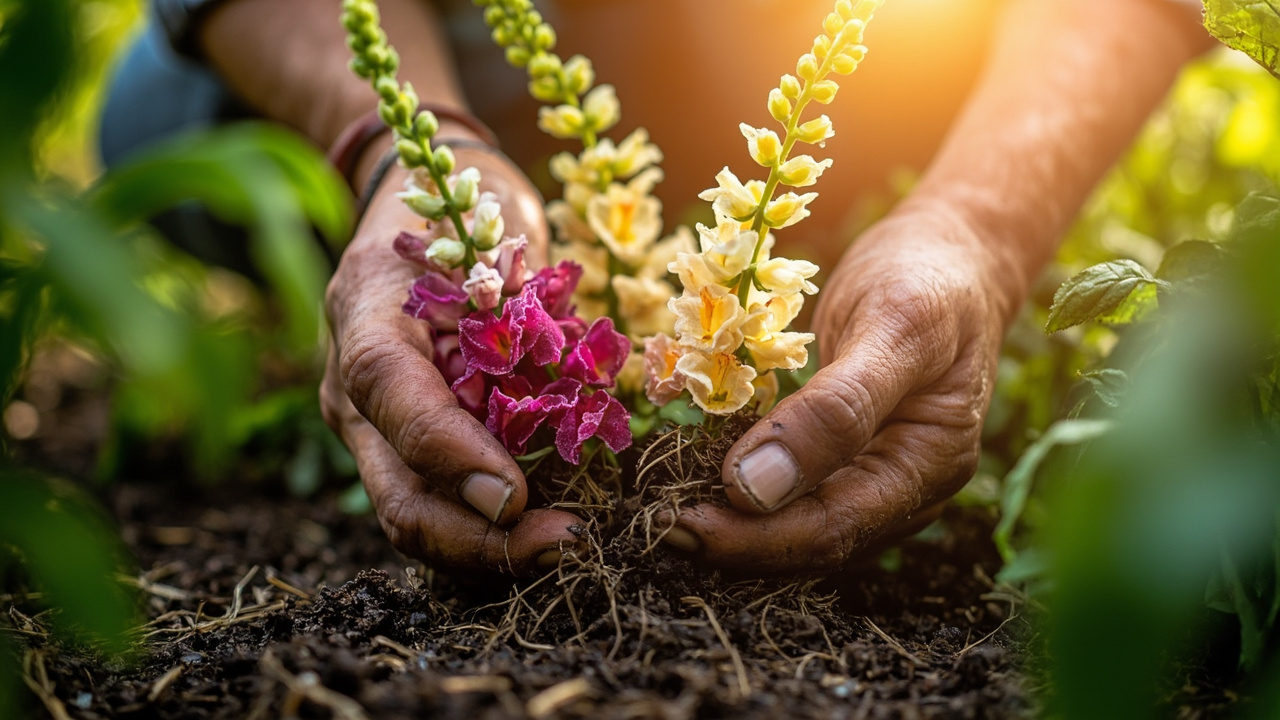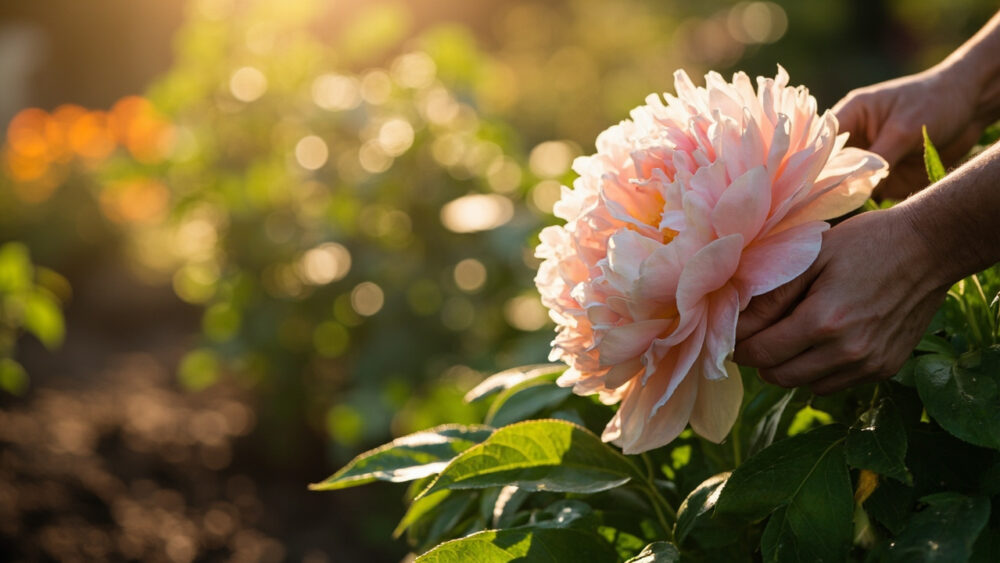
Plant peony roots in early fall, about six to eight weeks before your ground freezes, setting the eyes no deeper than 1 to 2 inches below the soil surface. That depth rule is the single detail most people get wrong, and it is why so many peonies live for years without ever blooming. Learning how to grow peonies is mostly about getting three things right: timing, depth, and patience, because this is a plant that rewards you slowly and punishes shortcuts even more slowly.
Here is what nobody tells you upfront. A peony planted too deep will grow lush green foliage forever and never flower, and you will not find out you made the mistake for two or three years. There is also a sign everyone misreads in spring, ants crawling all over the unopened buds, that people blame for ruined blooms when the ants are actually harmless hitchhikers after the sugary coating on the bud.
And the honest answer to the question you are already forming, “why didn’t my peony bloom this year,” is almost never disease. It is usually depth, shade, or a plant that just hasn’t matured enough yet. Stick with me through planting, feeding, and troubleshooting, and I’ll give you a save-able Peonies at a Glance card at the bottom with every number in one place.
When to Plant Peonies
Fall is the right time for bare-root peonies, planted roughly six to eight weeks before your first hard freeze so roots can settle before the ground locks up. In most of the country that lands somewhere in September or October. Spring-planted peonies, usually sold as potted nursery plants rather than bare roots, can go in after your last frost, but they’ll sulk for a season or two before catching up to a fall-planted root.
Soil temperature matters less here than it does for vegetables. What matters is giving roots cool, moist soil to grow into before winter dormancy, not hot summer soil that stresses a fresh division.
Gardeners in zones 3 through 7 get the best results and the most reliable cold winters peonies actually need to bloom well. Zone 8 gardeners can grow certain heat-tolerant varieties but should expect fewer, smaller flowers.
Get the timing right and the depth question becomes the next thing standing between you and a full bloom.
Choosing the Spot and Prepping the Soil
Peonies want full sun, at least 6 hours a day, and they want it every single year since they’ll live in that spot for decades. Part shade gets you a leggy plant with fewer blooms leaning toward whatever light it can find.
Drainage is non-negotiable. Peony roots rot in soggy clay, so if your soil holds water after rain, work in several inches of compost across the bed before planting, or build a raised mound 6 to 8 inches high.
Give each plant real room, 3 to 4 feet from its neighbors and from walls or shrubs. Peonies hate being crowded and hate root competition from nearby trees even more.
Good soil prep now saves you a transplant headache later, because peonies do not like being moved once they’re settled.
Planting Peonies Step by Step
1. Inspect the root
A healthy bare root has firm, plump tubers and 3 to 5 visible pink or white “eyes,” the buds that become next year’s stems. Discard any root that feels soft, mushy, or shriveled.
2. Dig a wide hole
Dig 12 to 18 inches wide and deep, wider than it needs to be for the root itself, and work compost into the bottom third of the loosened soil.
3. Set the depth correctly
This is the step that makes or breaks blooming. Position the eyes so they sit only 1 to 2 inches below the final soil surface, no deeper. In warmer zones (7 and up), aim for the shallow end, closer to 1 inch.
4. Backfill and water
Fill in gently, firm the soil around the root without compacting it hard, and water thoroughly to settle out air pockets.
5. Mulch lightly the first winter
A couple inches of mulch helps a first-year root through its first winter, but pull it back in spring so the crown doesn’t stay wet and buried.
Get the eyes at the right depth and the rest of the plant’s life gets a lot easier, but what you do the following spring matters just as much.
Watering and Feeding Through the Season
Newly planted peonies need consistent moisture through their first fall and following spring, about 1 inch of water a week if rain doesn’t provide it. Established peonies, three years and older, are genuinely drought-tolerant and need watering only during real dry stretches.
Skip the heavy nitrogen fertilizer. It pushes leafy growth at the expense of flowers and can make stems floppy. A light application of a balanced or bloom-focused fertilizer in early spring, as new red shoots emerge, is plenty.
Top-dress with an inch of compost each fall instead of reaching for a bag of synthetic fertilizer, and you’ll rarely need anything else.
Feeding right sets up the flowers, but it’s disease and weather pressure that decide whether those flowers actually open clean.
Problems That Actually Strike Peonies
Botrytis blight is the big one, a fungal disease that turns buds black and mushy before they open, usually during cool, wet spring weather. Remove and destroy affected buds and stems immediately, clean up fallen debris in fall, and space plants for airflow. If it’s severe and recurring, a fungicide labeled for botrytis on ornamentals can help; follow the product label exactly.
Powdery mildew shows up as a white coating on leaves in humid late summer. It’s mostly cosmetic on peonies and rarely needs treatment beyond better airflow and cutting foliage back in fall.
Those ants on the buds I mentioned earlier? Leave them alone. They’re after the sticky nectar, doing zero damage, and they disappear once the bloom opens.
Ants aside, the real bloom-killers are the ones that build up over years: too much shade as nearby trees mature, too much mulch piled over the crown, or a root planted too deep from the start. None of these show up as an emergency. They show up as a slow decline in flower count that you might blame on the weather for years before you notice the actual pattern.
Peonies are also toxic to dogs and cats if chewed or eaten in quantity, causing vomiting, drooling, or lethargy. If you suspect a pet has eaten peony foliage or roots, call your veterinarian rather than waiting to see how it goes.
Head off the fungal issues and give the plant time, and you’ll get to the part everyone’s actually waiting for.
When and How Peonies Bloom
Don’t expect much the first year. Peonies typically take two to three years after planting to produce a full flush of blooms, and some gardeners wait longer if the root was small or the site isn’t quite sunny enough. This is the patience part nobody enjoys hearing.
Once established, they bloom for 7 to 10 days per plant in late spring to early summer, with early, mid, and late varieties letting you stretch the total bloom window to four to six weeks if you plant a mix.
For cut flowers, harvest when buds feel soft like a marshmallow and show a hint of color, cutting in early morning and leaving at least two sets of leaves on the remaining stem. Buds cut too firm, still hard and green, will never open in a vase.
After bloom, let the foliage keep growing all season since it’s feeding next year’s root, and cut stems back to the ground only after they yellow or die back in fall.
Everything above compresses down to the card below, the version worth screenshotting before you head out to the garden.
Peonies at a Glance
- When to plant: bare roots in early fall, six to eight weeks before your first hard freeze, potted plants after last frost in spring.
- Planting depth: eyes 1 to 2 inches below the soil surface, shallower in warm zones, never deeper.
- Spacing: 3 to 4 feet apart, full sun, at least 6 hours a day.
- Soil: rich, well-drained, amended with compost, never soggy.
- Feeding: light balanced fertilizer as shoots emerge in spring, compost top-dress in fall, avoid heavy nitrogen.
- Watering: weekly the first year, drought-tolerant once established at three years and older.
- Bloom timeline: two to three years to full flowering, then a 7 to 10 day bloom window per plant in late spring to early summer.
If you remember one number from all of this, make it the planting depth. Get that right, give the plant a couple of patient years, and peonies will outlive most of the other things you plant this season.