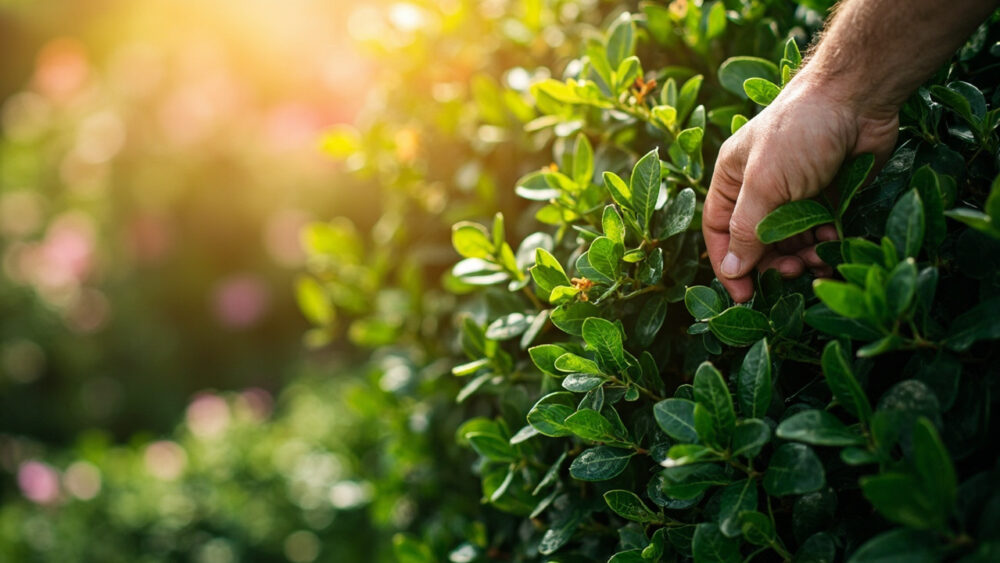
Most boxwood grow 3 to 6 inches per year once established, which puts them on the slow end of shrubs. A few vigorous varieties can push closer to 8 to 12 inches a year under good conditions, but that is the exception, not the rule. If you planted small boxwood hoping for a quick hedge, the honest answer is that you are looking at 5 to 10 years to get a solid, mature-looking screen.
That range is wide on purpose. The variety you planted, your climate, and what is happening underground all push the number up or down, and most people never check the one thing that actually predicts their own plant’s speed.
Stick around for the part on what genuinely speeds boxwood up versus what just wastes fertilizer, and the stage-by-stage timeline that tells you whether your shrub is behind schedule or right on track. The save-able quick-reference card is at the very bottom once you have the full picture.
The Realistic Growth Timeline
A newly planted boxwood, even a healthy one, often looks like it is doing nothing for the first year. That is normal. It is building roots, not top growth.
Years one and two after transplant usually show the slowest visible growth, sometimes just 1 to 3 inches, because the plant is establishing. From year three onward, once roots are settled, growth speeds up to that 3 to 6 inch annual range and holds fairly steady for the life of the shrub.
Boxwood do not really slow down with age the way some shrubs do. A 20-year-old boxwood grows at close to the same rate as a 5-year-old one, assuming conditions stay the same.
Next, the part most people skip past: why two boxwood planted the same day can end up completely different sizes.
What Actually Controls the Speed
Variety matters more than most people assume. English boxwood (a slower, more compact form) can crawl along at 2 to 4 inches a year even in ideal conditions, while American boxwood and many of the hybrid cultivars bred for hedging routinely hit 5 to 8 inches.
If you do not know your variety, do not guess from the growth rate alone, check the tag or ask the nursery, since misjudging this is the single most common reason people think their boxwood is “stunted” when it is just a naturally slow type.
Climate and light run a close second. Boxwood grow fastest with morning sun and afternoon shade, consistent moisture, and a mild climate (they are reliably hardy roughly USDA zones 5 through 9, with some cultivars pushing zone 4 with winter protection). Full baking sun, compacted clay, or a windy exposed spot will slow any variety down regardless of what the tag promised.
Soil pH and drainage decide the rest, and this is where a lot of slow boxwood quietly stay slow forever.
Reading Your Own Shrub’s Stage
You can tell roughly where your boxwood is in its timeline just by looking at it.
- Fresh transplant, year one: little to no visible size change, leaves may look slightly duller, this is root establishment, not decline.
- Years two to three: new growth appears as lighter green tips in spring, shrub starts to fill out rather than just survive.
- Years four and beyond: steady 3 to 6 inch annual gains, shrub holds a full, dense shape and responds well to shaping cuts.
If your boxwood has been in the ground three or more years and still shows almost no new growth each spring, that is a real signal, not just slowness.
Before you assume the plant is broken, check the one thing under the surface that causes most of these stalls.
How To Legitimately Speed Growth Up
If you assumed heavy fertilizing is the fix, that guess is exactly what slows a lot of boxwood down. Too much nitrogen pushes weak, leggy growth that is more prone to winter damage and disease, it does not make a healthier shrub, just a faster-growing fragile one.
What actually works is boring but effective: consistent moisture (boxwood have shallow roots and dislike drought stress more than almost anything else), a 2 to 3 inch mulch layer to keep roots cool and even, and soil pH corrected toward neutral to slightly alkaline if a soil test shows it running acidic.
A light feeding in early spring with a balanced, slow-release shrub fertilizer helps, but it is a minor boost, not a growth switch. Correct drainage and consistent watering do more for speed than any product will.
Pruning timing matters too, and it is the next thing people get backward.
Pruning: Speeding Growth or Slowing It Down
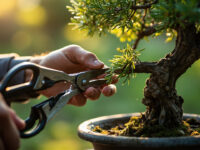
Light shearing in late spring after the first flush of new growth actually encourages denser branching, which reads as “faster” growth even though total size gain stays about the same.
Heavy pruning or renovation cuts, on the other hand, set a boxwood back for a season or two while it recovers, so if you want size, prune lightly and prune for shape, not volume.
Avoid shearing in late summer in colder climates, since the tender new growth it stimulates often will not harden off before frost.
That timing mistake is also one of the more common reasons a boxwood looks fine one winter and rough the next.
When Slow Growth Is Normal, and When It Is a Problem
Slow and steady is boxwood’s default setting, not a warning sign. A shrub gaining 2 to 4 inches a year with good, dense green color is healthy, full stop, even if it feels slow compared to a fast-growing hedge shrub.
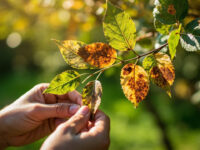
What is not normal is bronze or straw-colored patches that do not green back up in spring, thin see-through spots low on the plant, or a shrub that has not grown at all for two consecutive seasons despite decent care.
Those symptoms point toward root or drainage problems, winter damage, or boxwood blight and leafminer, which are cultural and pest issues worth diagnosing rather than solving by fertilizing harder.
If you are staring at your own boxwood right now trying to place it on this timeline, the reference card below is built exactly for that.
Boxwood: Quick Reference
- Average growth rate: 3 to 6 inches per year once established, with some vigorous cultivars reaching 8 to 12 inches.
- Time to establish: roughly 1 to 2 years of slow, mostly underground growth after transplant.
- Time to mature hedge: 5 to 10 years for a full, dense screen, depending on starting size and spacing.
- Best conditions for speed: morning sun with afternoon shade, consistent moisture, well-drained soil at neutral to slightly alkaline pH.
- What slows it down: drought stress, compacted or poorly drained soil, acidic soil, heavy pruning, and pest or disease pressure like boxwood leafminer or blight.
- What does not speed it up: heavy nitrogen fertilizing, which produces weak growth rather than faster healthy growth.
- Hardiness range: generally USDA zones 5 through 9, with some cultivars hardy to zone 4 with winter protection.
Boxwood reward patience more than effort, and a shrub growing slowly in good soil is not failing, it is just being a boxwood.
Give it steady water and a few more seasons before you judge it.