Nine times out of ten, a drooping purple passion plant is thirsty. This plant wilts dramatically the moment its soil dries out past what its shallow, fuzzy roots can handle, and a good soak usually brings it back within a couple hours. But if you already watered and it is still limpthe real cause is something else, and that is where most people get stuck.
Everyone blames light first when the leaves look pale and sad, and sometimes that is fair, but low light rarely causes actual drooping on its own. The detail that actually tells you what you are dealing with is where the wilting starts on the plant and whether the soil is wet or dry when it happens. That single check narrows this down fast.
I will walk through every real cause in order of likelihood, how to confirm each one at the plant right now, and the fix. Stick around for the honest recovery outlook too, because this plant is forgiving in some situations and genuinely not in others. The full save-able diagnosis checklist is at the bottom, so you can run it in the next two minutes.
Most Likely Causes, Ranked
1. Underwatering (the usual culprit)
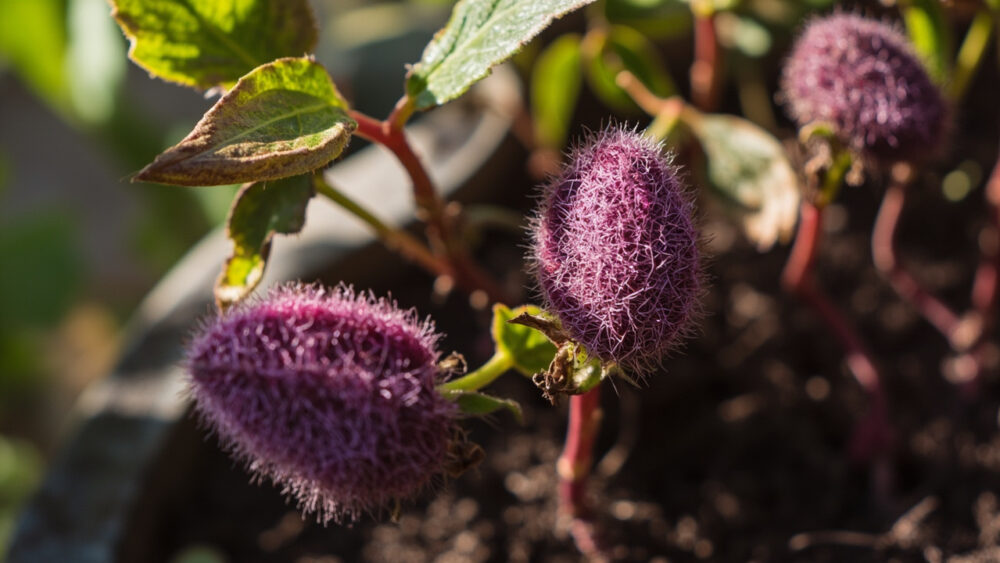
Confirm it: stick a finger 1 to 2 inches into the pot. If it feels dry and the pot feels light when you lift it, this is your answer. Purple passion plant (Gynura aurantiaca) has thin, hairy leaves and shallow roots that give up moisture fast, so it wilts as a warning sign well before real damage sets in.
Fix it: water thoroughly until it runs from the drainage holes, then let the top inch dry before the next watering. Most recover visibly within 1 to 4 hours.
If the soil was already wet, the dry-soil explanation is off the table, and that changes everything.
2. Overwatering and root rot
Confirm it: the soil is wet or soggy, the pot feels heavy, and the drooping leaves feel soft or mushy rather than just limp. Pull the plant and check the roots if you can; healthy roots are pale and firm, rotten ones are brown, black, or mushy and smell sour.
Fix it: if roots are still mostly white, let the soil dry out fully before watering again and consider a pot with better drainage. If rot has taken hold, trim the affected roots, repot into fresh, fast-draining soil, and cut back watering hard for a few weeks.
Wet soil and soft leaves point one direction; the next cause points somewhere completely different.
3. Temperature shock or cold draft
Confirm it: think back on recent placement. Purple passion plants sulk badly below about 50°F and hate sitting near an AC vent, a drafty window, or an exterior door in cold weather. Drooping that shows up suddenly overnight with no watering change often traces to this.
Fix it: move it away from the draft or cold glass, keep it in a spot that stays above roughly 60 to 65°F, and give it a few days. Cold-stressed plants often bounce back once temperatures stabilize, though damaged leaves themselves will not un-wilt.
If the plant was recently moved or repotted instead, look at the next cause.
4. Transplant or repotting shock
Confirm it: you repotted, divided, or moved the plant to a new spot within the last week or two, and the whole plant looks tired rather than one section.
Fix it: keep it out of direct sun, water normally but do not overcompensate, and give it 1 to 2 weeks to settle new roots into the soil. Resist the urge to fertilize during this window. Stressed roots cannot use it and it can make things worse.
Sudden drooping with no obvious care change at all points toward pests, and that one hides in plain sight.
5. Spider mites or mealybugs
Confirm it: check the undersides of leaves and stem joints for tiny webbing, sticky residue, or small moving specks. Mite damage often shows as stippled, dull-looking leaves before wilting sets in.
Fix it: isolate the plant, rinse leaves under lukewarm water, and treat with insecticidal soap or a labeled houseplant insecticide, following the product label exactly on timing and repeat applications.
Now that you have the individual suspects, here is how to line them up against each other fast.
How to Tell the Causes Apart
Soil moisture is your fastest sorting tool. Dry soil plus limp, dull leaves means underwatering. Wet soil plus soft, mushy, discolored leaves means overwatering or rot.
Location and pattern matter next. Drooping concentrated on the side nearest a window or vent in cold weather points to temperature stress, while drooping that started right after a repot is almost always transplant shock.
Check the whole plant versus one section. Uniform, all-over wilting usually means watering or temperature. One droopy stem while the rest look fine often means a localized stem injury or rot starting at that base.
Old leaves versus new growth is the last tell: pests tend to hit new growth and stem tips first, while general underwatering hits the whole plant evenly regardless of leaf age.
Once you know which bucket you are in, the next question is whether the plant is actually going to make it.
Will It Recover?
Underwatering has the best odds by far. A plant that drooped from dry soil almost always perks back up within a few hours of a good watering, with no lasting damage to the leaves that recover.
Overwatering and root rot are more honest territory. Caught early, with firm white roots still present, recovery after repotting is likely. If most of the root system is brown mush, you are often better off taking healthy stem cuttings and starting fresh rather than fighting to save the original plant.
Cold shock and transplant stress usually resolve within days to two weeks once conditions stabilize, though individual damaged leaves will not reverse and can be trimmed off once new growth resumes.
Pest damage depends on how early you catch it. Light infestations treated promptly rarely set the plant back for long, but heavy, established infestations can force you to cut the plant back hard.
Knowing the outlook is one thing, keeping it from happening again is what actually saves you the next round of worry.
How to Keep It From Happening Again
Water on a check, not a calendar. Feel the top inch of soil before every watering rather than watering on a fixed schedule, since needs shift with light and season.
Use a pot with drainage holes and a fast-draining mix. Purple passion plant’s fuzzy leaves and thin stems are far more forgiving of slight underwatering than of sitting wet.
Keep it in bright, indirect light. This plant’s purple color and its drooping resistance both depend on decent light. Too little light produces weak, floppy growth that droops at the smallest stress.
Keep it away from cold glass, drafts, and heater vents, and check new plants for pests before they sit near your other houseplants.
With those habits in place, most drooping problems get caught before they ever show up in the leaves, but here is the fast checklist for when they do.
Diagnosis Checklist
- Check the soil 1 to 2 inches down: if it is dry and the pot feels light, water thoroughly and expect recovery within a few hours.
- If the soil is wet or soggy, check the leaves: soft or mushy points to overwatering, so stop watering and check the roots.
- Pull the plant gently and inspect the roots: white and firm means let it dry out, brown and mushy means trim rot and repot in fresh soil.
- Think back on placement: cold drafts, AC vents, or temperatures below 50°F mean move the plant and wait a few days before judging it.
- Check your timeline: a repot or move within the last two weeks means transplant shock, so hold off fertilizer and give it 1 to 2 weeks.
- Inspect leaf undersides and stem joints for webbing or sticky residue: if found, isolate the plant and treat per the product label.
- Note the pattern: whole-plant wilting points to water or temperature, one droopy stem points to localized rot or injury.
- Once fixed, set a soil-check habit instead of a watering schedule to catch the next dip before the leaves do.
Run through that list once and you will almost always land on the right cause before you even reach for the watering can.
Fix the actual cause instead of just the symptom, and this plant rewards you with fast, forgiving growth for years.