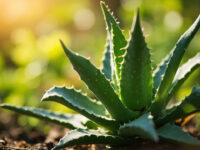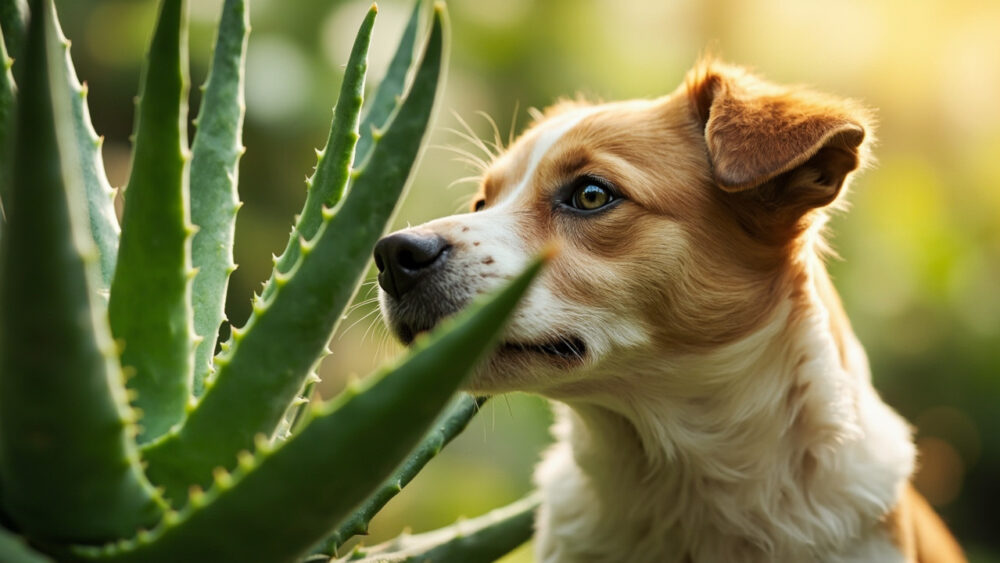
Yes, aloe vera is toxic to dogs. The gel in the center of the leaf is the least concerning part, but the latex layer just under the skin and the skin itself contain compounds that cause vomiting, diarrhea, and stomach upset in dogs. It is not usually a fatal poisoning from a curious nibble, but it is a real, well-documented toxicity, not an old wives’ tale.
What changes the answer is how much your dog actually got into. A single lick of gel from a broken leaf is a very different situation than a puppy who shredded half a potted plant. Both count as “aloe vera toxic to dogs” in the technical sense, but the second one is the one that sends you to the vet tonight.
Stick with this page. Below you will find the exact signs to watch for, what to actually do in the next ten minutes if you catch your dog mid-bite, and a handful of safer succulent look-alikes you can grow instead without spending the next six months worrying every time the dog walks past the windowsill. There’s a save-able quick-reference card at the very bottom, too.
The Plain Answer: Yes, It’s Toxic, But Rarely Deadly
Aloe vera falls into the mild-to-moderate toxicity category for dogs, not the severe or life-threatening one. The plant is toxic, but most exposures end in an unpleasant day, not an emergency. That is the honest range: a lot of dogs who chew a leaf get sick, recover within 24 hours, and are fine.
That said, “usually mild” is not the same as “safe to ignore.” Any suspected ingestion still deserves a call to your vet, because dose, dog size, and what else was on that plant (soil, fertilizer residue, pesticide) all change the picture.
The plant itself isn’t the only variable here.
Which Part of the Plant, and How Much, Actually Matters
The toxic compounds live mostly in the latex, that yellowish sap just under the outer skin of the leaf, and to a lesser degree in the skin itself. The clear inner gel is far lower in these compounds, which is why humans use it topically and dogs who lick a little gel often show no reaction at all.
Whole-leaf chewing is the real risk. A dog who bites clean through a leaf gets the skin, the latex, and the gel all at once, and that combination is what triggers the classic gut upset.
Size matters too. A ten-pound terrier who eats a two-inch leaf tip has had a bigger relative dose than a seventy-pound Lab who did the same thing.
Knowing what your dog actually chewed changes how worried you should be, which is exactly what the next section helps you judge from the symptoms alone.
Signs to Watch For After Exposure
Most reactions show up within a few hours of ingestion. Watch for:
- Vomiting
- Diarrhea, sometimes with a reddish or orange tinge (this is from natural plant compounds, not necessarily blood, but it should still be reported to your vet)
- Lethargy or noticeably low energy
- Reduced appetite
- Excessive drooling
- Tremors (uncommon, but a signal to seek care immediately if you see it)
If you assumed a dog that ate aloe would seem fine right up until it wasn’t, that’s backwards. Most dogs signal distress fast, usually within two to six hours, not days later. A dog who is bright, eating normally, and acting like nothing happened a full day out is generally in the clear.
Signs are useful, but they’re not a substitute for the one step that actually matters next.
What to Do If Your Dog Ate Aloe Vera
Call your veterinarian or an animal poison control line as soon as you know or suspect ingestion. This holds true even if your dog seems totally normal right now.
Before you call, take thirty seconds to gather information: roughly how much of the plant is missing or chewed, when it happened, your dog’s approximate weight, and whether they’ve vomited or had diarrhea yet. This lets the vet or poison control give you accurate guidance instead of a generic “watch and wait.”
Do not induce vomiting, give any home remedy, or administer anything from your medicine cabinet unless a vet specifically instructs you to. Some home interventions do more harm than the plant did.
Bring the vet a photo of the plant or a piece of the leaf if you’re heading in for an appointment. It helps them confirm exactly what they’re dealing with.
Once you’ve made that call, the longer-term fix is making sure this doesn’t become a repeat scene in your house.
Safer Plants to Grow Instead
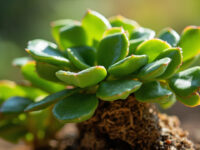
If you love the look of aloe vera but have a chewer in the house, several succulents give you a similar rosette or spiky silhouette without the toxicity risk. Haworthia is the closest visual substitute, small, striped, clumping, and non-toxic to dogs and cats. Echeveria varieties offer that same fleshy rosette shape in blues and pinks and are generally considered pet-safe.
For height and drama without risk, Hens and chicks (Sempervivum) handle full sun and neglect while staying non-toxic.
If you want to keep the aloe itself, simply move it out of reach, hanging planters and high shelves work, since dogs rarely go out of their way to climb for a plant they’re not already fixated on.
Swapping or relocating solves the daily worry, but you still want the core facts on hand for the day something slips past you.
Aloe Vera: Quick Reference
- Toxic to dogs: Yes, confirmed toxic, generally mild to moderate in severity.
- Most toxic part: The latex layer just under the leaf skin, followed by the skin itself.
- Least toxic part: The clear inner gel, though it’s not guaranteed safe in large amounts.
- Common signs: Vomiting, diarrhea (sometimes reddish tinged), lethargy, low appetite, drooling.
- Timeline: Symptoms typically appear within two to six hours of ingestion.
- What to do: Call your vet or animal poison control immediately, note the amount eaten and your dog’s weight, do not attempt home treatment.
- Safer alternatives: Haworthia, Echeveria, and Hens and chicks (Sempervivum) all offer a similar look without the risk.
Save this card, tape it inside a cabinet door, and you’ll never have to guess mid-crisis.
A little vigilance and the right plant swap go a lot further than a frantic search after the fact.