The best way to preserve herbs depends on the herb, but the fastest, most reliable methods are freezing for soft herbs like basil and cilantro, and air drying for woody herbs like oregano, thyme, and rosemary. Get the timing and prep right and you can hold real flavor for six months to two years. Get it wrong and you end up with a jar of green dust that tastes like hay.
Most people ruin a batch before it ever hits the dehydrator or freezer bag, usually by harvesting at the wrong time of day or skipping a step they assumed did not matter. There is also a sign of spoilage almost everyone misreads as “still fine,” and it is the reason freezer-burned herbs and moldy dried bundles happen more than they should.
Below I will walk through the method that actually works for each herb type, how long each preservation method holds, the prep that makes or breaks the batch, and the mistakes that quietly ruin a whole harvest. Save-able specifics, including exact hold times and the “Herbs at a Glance” card, are at the bottom.
Pick the Method by Herb Type, Not by Habit
Soft, tender herbs (basil, cilantro, parsley, dill, mint, chives) have high water content and turn to black slime when air dried. Freeze these, or use them fresh within days.
Woody, low-moisture herbs (rosemary, thyme, oregano, sage, marjoram, bay) dry beautifully because their oils are concentrated and their leaves are already thin and low in water.
If you have been drying basil on a windowsill and wondering why it tastes like nothing, that is not bad luck. That is the wrong method for that herb, and it is the single biggest reason home-preserved herbs disappoint people.
Once you know which camp your herb falls into, the actual steps get simple.
Freezing Soft Herbs: The Method That Actually Holds Flavor
Harvest in the morning, after the dew dries but before the heat of the day, when essential oil concentration is highest. Afternoon-picked herbs lose flavor faster in storage, guessable or not, it is true.
Rinse gently in cool water, then dry completely. Wet herbs form ice crystals that damage cell walls and turn leaves mushy on thaw.
Two reliable freezing methods:
- Chop leaves and pack into ice cube trays, top with water or olive oil, freeze solid, then pop out and store cubes in a labeled freezer bag.
- Freeze whole sprigs flat on a tray for an hour, then transfer to a freezer bag with the air pressed out.
Both beat drying for basil, cilantro, and dill by a wide margin on flavor retained.
Oil cubes are the move if you cook a lot of soups and sauces, but there is a catch to that method coming up next.
Air Drying and Dehydrating Woody Herbs
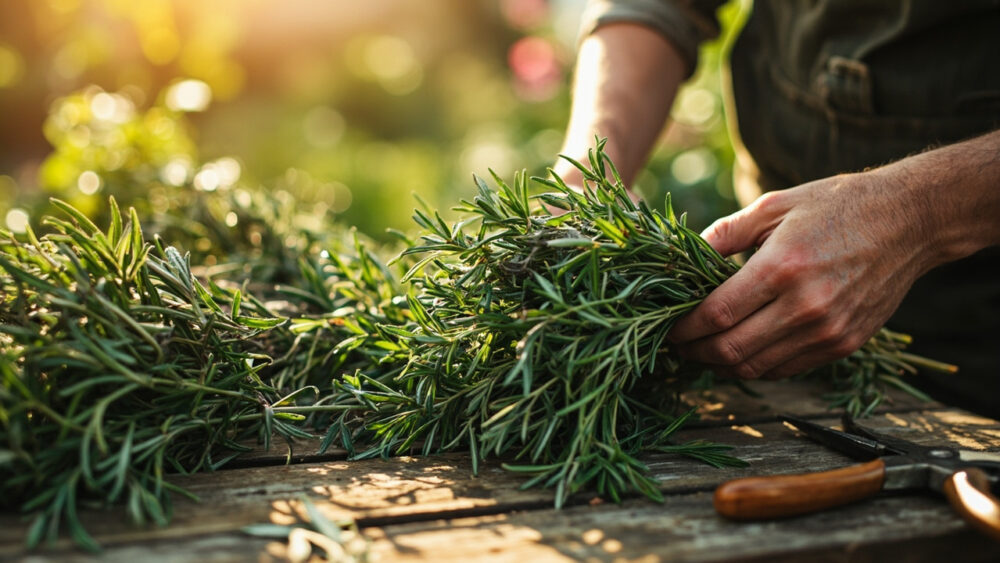
Bundle four to six stems with twine and hang upside down in a warm, dark, dry spot with good airflow, an attic, closet, or covered porch out of direct sun. Direct sunlight bleaches color and cooks off the volatile oils that carry the flavor.
Air drying takes one to three weeks depending on humidity. In a dehydrator set to 95 to 115 F, most woody herbs finish in two to six hours.
The herb is done when leaves crumble between your fingers instead of bending. If a leaf still folds without cracking, it has more moisture left and needs more time, this is the step people rush most often.
Strip dried leaves off the stems, discard the stems, and store whole rather than crushed, since crushing early releases oils into the air instead of into your food later.
Rushing this stage is exactly how mold ends up hiding inside a jar that looked dry on the outside.
How Long Each Method Actually Keeps
Here is the honest range, not the optimistic one printed on some blog somewhere.
- Fresh in the fridge (stems in water, loosely bagged): 1 to 2 weeks for basil, up to 3 weeks for hardier herbs like rosemary and thyme.
- Frozen in oil or water cubes: 6 to 12 months at a consistent 0 F.
- Frozen whole sprigs: 8 to 10 months before flavor noticeably drops.
- Air dried, stored airtight and dark: 1 to 3 years, though flavor strength fades steadily after the first year.
- Dehydrator dried: same 1 to 3 year window as air dried, just faster to get there.
Notice that “keeps forever” is not on that list, because dried herbs do not spoil in the sense of becoming unsafe, they just go quietly flavorless.
That fade-out is actually the spoilage sign almost everyone misses, and it is worth understanding before you toss a perfectly good jar.
The Sign of Spoilage Everyone Misreads
If you assumed dried herbs “go bad” the way fresh food does, with a smell or a visible change, that guess is what causes most waste. Properly dried herbs stored airtight rarely grow mold if they were fully dry before storage. What actually happens is oxidation: the color dulls from vibrant green to olive or gray-brown, and the aroma when you crush a leaf between your fingers goes from sharp to faint.
That faded smell is your real signal, not an expiration date. If a pinch crushed and rubbed between your fingers barely smells like anything, it is time to replace it, even though it is not unsafe to eat.
Real spoilage looks different and shows up almost always from a prep mistake, not old age: visible fuzzy mold, a musty or sour smell instead of a faded one, or clumping and moisture in a jar that should be bone dry. Any of those means the herb was not fully dry before it was sealed up, and the batch should be discarded.
Which brings us to the mistakes that create that moldy outcome in the first place.
The Mistakes That Ruin a Batch
Sealing herbs before they are fully dry is the number one cause of moldy jars. Even 5 percent residual moisture, invisible to the eye, is enough to fog a jar within a week.
Washing and not drying thoroughly before freezing or dehydrating is the second biggest issue. Water left on leaves either forms damaging ice crystals in the freezer or extends drying time enough for mold to get a foothold first.
Storing dried herbs in clear jars on a sunny counter looks nice and kills flavor fast. Light degrades the oils that give the herb its point in the first place.
Crushing dried leaves before storage instead of at the point of use releases surface area to the air and speeds up flavor loss considerably.
Freezing herbs in a bag with air still in it causes freezer burn, that dry, white, papery patch on the leaf, within a couple months instead of the full storage window.
Avoid those five and you have already solved most of what goes wrong, which brings us to the part you came here to save.
Herbs at a Glance
- Soft herbs to freeze: basil, cilantro, parsley, dill, mint, chives, tarragon.
- Woody herbs to dry: rosemary, thyme, oregano, sage, marjoram, bay leaf.
- Best harvest time: mid morning after dew dries, before peak heat, for the strongest oil concentration.
- Drying doneness test: leaves crumble when crushed instead of bending or folding.
- Storage life: frozen herbs hold 6 to 12 months, dried herbs hold 1 to 3 years with strength fading after year one.
- Storage rule: airtight, dark, cool, whole leaves rather than crushed, away from direct light and heat.
- Real spoilage signs: fuzzy mold, sour or musty smell, or clumped moisture, all meaning the herb was not fully dry before sealing.
Match the method to the herb, dry it all the way before you seal it, and store it dark. That single sequence saves more herb harvests than any trick or gadget ever will.