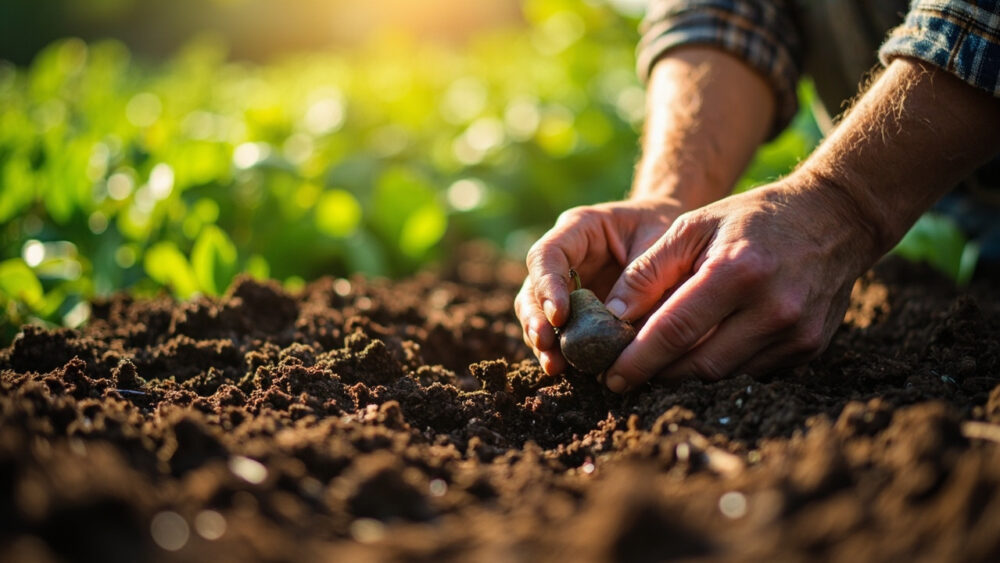
Growing pears from seed starts with cold-stratifying the seeds from a ripe pear for 8 to 10 weeks in the fridge, then sowing them a half inch deep in moist potting mix once they’ve swelled or cracked. Germination shows up in 2 to 6 weeks under the right conditions, and from there you’re looking at 5 to 10 years before you see a single fruit. That last part surprises almost everyone who clicks on this topic, and it changes how you should think about the whole project.
Here’s what nobody mentions upfront: the pear you grow from seed will almost certainly not taste like the pear you ate. Pears don’t grow true from seed, they’re wildly variable, and the fruit you get could be small, gritty, or bland even if the parent was excellent.
There’s also a mistake that wrecks most attempts before germination even has a chance, a hardening-off step people skip because the seedling looks tough enough to handle it, and an honest answer about whether you’ll ever eat fruit from this tree at all. All three get answered below, and the printable Pears at a Glance card is waiting at the bottom once you’ve got the full picture.
When to Start Pear Seeds: Indoors, Stratified, Not Direct Sown
Pear seeds need a period of cold and moisture before they’ll germinate, a process called stratification that mimics winter. You can’t just push a seed into the ground in spring and expect it to sprout. Skip stratification and you’ll wait months for nothing.
The most reliable window is to collect seeds from a ripe pear in late summer or fall, then start stratification right away so the seed is ready to sow in mid to late winter, about 8 to 12 weeks before your last frost date. That timing lines up so seedlings are a few inches tall and ready to harden off once the weather breaks.
If you’re starting from store-bought pears, that works fine, the seeds don’t care where the fruit came from. Just make sure the pear was fully ripe, since seeds from underripe fruit often won’t be developed enough to germinate.
Stratification is the step everyone underestimates, and it’s exactly where most attempts quietly fail.
Sowing Pear Seeds Step by Step
Once your seeds have spent their cold weeks in the fridge, sowing them is the easy part. The seeds themselves will often show a hairline crack or a visible root tip poking out by the time stratification is done, which is your green light.
Step 1: Stratify Correctly
Rinse seeds from a ripe pear, then tuck them into a damp paper towel or damp sand inside a sealed plastic bag. Store the bag in the refrigerator, not the freezer, at roughly 34 to 41°F for 8 to 10 weeks. Check every couple of weeks for mold and to keep the towel damp, not soaking wet.
Step 2: Sow at the Right Depth
Plant stratified seeds about a half inch deep in a well-draining seed-starting mix, one seed per 3 to 4 inch pot. Deeper than an inch and weak seedlings struggle to reach the surface.
Step 3: Warmth and Light
Keep pots at 65 to 75°F once sown, on a warm windowsill or under grow lights. Cold stratification is finished at this point, now the seed wants warmth to trigger the actual sprout.
Step 4: Moisture
Keep the mix evenly moist, never waterlogged. A clear humidity dome or loose plastic wrap over the pot helps until you see growth, then remove it.
Get the temperature swing backward, cold when it should be warm, and you’ll stall a perfectly good seed for another year.
Germination: What to Expect and When to Actually Worry
Expect a sprout in 2 to 6 weeks once seeds are warm and moist after stratification. The first thing you’ll see is a pale shoot pushing up, followed by two rounded seed leaves, then the first true, more pointed pear leaves within another week or two.
If you assumed a seed that hasn’t sprouted after two weeks is dead, that guess causes more people to give up early than any actual germination failure does. Pear seeds are genuinely uneven, some sprout in 10 days, others take six weeks even from the same batch.
The real point to worry is 8 weeks with zero movement and no visible root or shoot at all. At that stage, check the seed itself. If it’s gone soft, mushy, or moldy, it’s done. A firm seed that simply hasn’t sprouted yet is still worth the wait.
Patience here costs you nothing, but the next stage is where an impatient move can cost you the whole seedling.
Hardening Off and Transplanting Pear Seedlings
Wait until seedlings are at least 4 to 6 inches tall with several sets of true leaves before moving them outside, and don’t do it until nighttime temperatures are reliably staying above 40°F. That’s usually a few weeks after your last frost date, not right on it.
Hardening off takes 7 to 10 days. Set the pots outside in a sheltered, shaded spot for an hour or two the first day, then add an hour daily and gradually introduce direct sun.
This is the step people skip because the seedling looks sturdy enough. It isn’t. A seedling grown indoors has soft tissue with no tolerance for direct sun or wind, and skipping the hardening-off week is the single most common way people lose a seedling they’d nursed for months.
Once hardened off, transplant into a spot with full sun and well-draining soil, spacing young trees at least 15 to 20 feet apart if you’re planting more than one, since standard pear trees eventually reach 20 to 40 feet tall and wide.
Getting a seedling into the ground safely is only half the job, what happens over the next several summers decides whether it ever fruits.
Caring for a Young Pear Tree Through the Season
A newly transplanted seedling needs consistent water through its first two growing seasons, roughly 1 inch a week, more during hot dry stretches. Deep, infrequent watering builds better roots than a light daily sprinkle.
Mulch a 2 to 3 inch layer around the base, kept a few inches back from the trunk, to hold moisture and keep weeds down. Feed lightly with a balanced fertilizer in spring once the tree is established, usually starting in its second year.
Watch for fire blight, a bacterial disease that blackens shoots and makes them look scorched, and pear psylla, a small sap-sucking insect that curls and yellows leaves. Prune out blighted branches well below the visible damage, and for insect pressure, follow the label directions on an appropriate insecticidal soap or horticultural oil.
Stake young trees loosely if they’re in a windy spot, and remove the stake once the trunk can stand on its own, usually after one full season.
All that care is building toward one long-delayed event, and it’s later than almost anyone expects.
When Your Seed-Grown Pear Tree Actually Blooms and Fruits
Here’s the honest answer to the question you’re already forming: a pear tree grown from seed typically takes 5 to 10 years to flower and fruit, sometimes longer. Grafted nursery trees fruit faster, often in 3 to 5 years, precisely because grafting skips the juvenile phase seedlings have to grow through.
You’ll know bloom is coming when the tree reaches a mature size and puts out clusters of white five-petaled flowers in early to mid spring, before or as leaves emerge. Not every bloom means fruit, pears need cross-pollination from a different variety or another seedling nearby, and a late frost can wipe out blossoms in a single cold night.
And the fruit itself is a genuine gamble. Since pears don’t grow true from seed, you might get something decent, or you might get small, hard, gritty fruit not worth eating fresh. Many growers treat seed-grown pears as rootstock or as an experiment, then graft a known variety onto the trunk once it’s a few years old if they want reliable fruit sooner.
That long wait is exactly why the quick-reference card below is worth saving before you start.
Pears at a Glance
- When to stratify: collect seeds from a ripe pear in late summer or fall, refrigerate in damp towel or sand at 34 to 41°F for 8 to 10 weeks.
- When to sow: mid to late winter, about 8 to 12 weeks before your last frost date, right after stratification.
- Depth and medium: half inch deep in well-draining seed-starting mix, one seed per 3 to 4 inch pot.
- Germination: 2 to 6 weeks at 65 to 75°F, only worry after 8 weeks with a still-firm seed showing no growth.
- Transplant timing: once seedlings are 4 to 6 inches tall, a few weeks past last frost, after 7 to 10 days of hardening off.
- Spacing and site: full sun, well-draining soil, 15 to 20 feet between trees.
- Time to fruit: 5 to 10 years from seed, with no guarantee the fruit matches the parent.
Save this list, but save your expectations too. A seed-grown pear is a long, honest bet, not a shortcut to fruit.