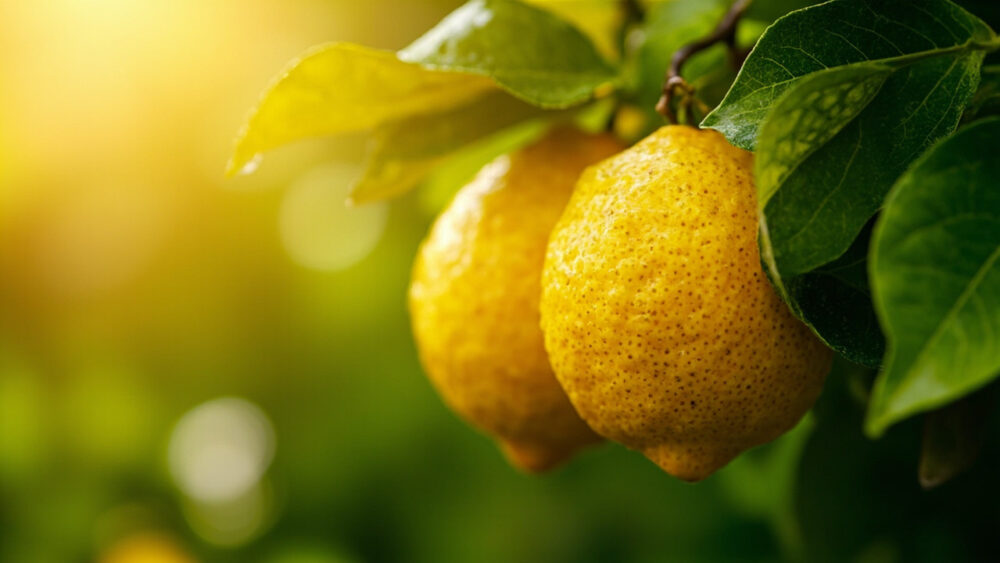
Yes, you can freeze lemons, and done right they hold their flavor for 3 to 4 months. Whole lemons, slices, juice, and zest all freeze differently, and picking the wrong method for what you actually plan to cook with is where most people go wrong. A frozen whole lemon and a tray of frozen juice cubes solve completely different kitchen problems.
Here is the part almost nobody tells you: the texture change is real and permanent, and pretending otherwise is the mistake that ruins the most batches. There is also a bagging error that gives you a block of fused, freezer-burned lemon chunks instead of usable pieces, and a curing step people confuse with something entirely different fruit needs, not lemons.
Stick around for the exact method, the honest shelf life for every form, the turned signs to watch for, and the full Lemons at a Glance card at the bottom you can screenshot before you touch a single lemon.
The Best Way to Freeze Lemons, Step by Step
Whole lemons freeze the simplest and give you the most flexibility later. Wash and dry them, then freeze whole in a single layer on a tray for a few hours before bagging. That pre-freeze step keeps them from turning into a solid clump.
For slices or wedges, cut first, then freeze on a parchment-lined tray until firm, about 2 hours, before transferring to a freezer bag. Press the air out or use a vacuum sealer if you have one.
For juice, squeeze fresh, pour into an ice cube tray, freeze solid, then pop the cubes into a labeled bag. Each cube is usually about 1 to 2 tablespoons, handy for portioning later.
For zest, grate it off before the lemon gets soft, spread it on a tray to freeze loose, then bag it. Zest actually freezes the best of all four forms.
The method you pick now decides how usable the lemon is three months from today.
How Long Frozen Lemons Actually Keep
On the counter, a whole fresh lemon lasts about a week. In the fridge, 3 to 4 weeks in the crisper drawer is realistic. Frozen is where the real extension happens.
Whole frozen lemons stay good for 3 to 4 months before quality drops noticeably. Frozen juice holds the longest, often a full 4 to 6 months, because there is no flesh or peel to oxidize. Frozen zest keeps 4 to 6 months too, especially if you press out the air well. Frozen slices and wedges are the shortest-lived of the bunch at 2 to 3 months, since the exposed flesh degrades fastest.
None of this is a cliff edge. It is a slow fade in aroma and color, not a sudden spoilage.
How you tell that fade apart from actual spoilage is the next thing you need to know.
The Prep That Makes or Breaks the Whole Batch
If you assumed lemons need to be blanched before freezing like a green bean, that guess ruins texture fast. Blanching is not part of this at all. Heat has no job here. Skip it entirely.
What actually matters is washing and drying thoroughly, especially if you plan to freeze zest or use the peel, since wax and residue concentrate in the peel and freezer storage does nothing to remove it. A quick scrub under warm water and a full pat dry before freezing is enough.
The other real prep decision is whether to freeze in **juice, whole, or sliced form** based on how you will actually cook. If you mostly squeeze lemons into drinks or marinades, skip the whole-lemon route and go straight to juice cubes. If you want zest for baking, grate before the lemon goes anywhere near the freezer, never after, because zesting a frozen lemon is a frustrating, shredded mess.
Get the prep matched to your actual use, and the mistakes ahead get a lot easier to avoid.
The Signs a Frozen Lemon Has Turned
A frozen lemon does not rot the way a fresh one does, but it does go downhill in ways worth catching.
- Freezer burn: dry, white, leathery patches on the peel or flesh, usually from air exposure. Still technically usable but the flavor is dulled.
- Ice crystals inside the bag: a sign of temperature swings, meaning the lemons partially thawed and refroze at some point.
- Off or musty smell after thawing: trust your nose here over the calendar. If it smells flat, sour in a wrong way, or musty rather than bright and citrusy, discard it.
- Mushy, waterlogged texture on thawed slices: normal to a degree, but if it is sliding into slime rather than just soft, that batch is done.
Most of what you will see is quality loss, not danger, but there is one mistake that causes almost all of it.
The Mistakes That Actually Ruin a Batch
Skipping the pre-freeze tray step is the single biggest culprit. Bag lemon slices or wedges straight into a freezer bag without freezing them loose first, and they fuse into one solid mass. You end up thawing the whole bag just to get one slice out.
Leaving air in the bag is the second most common failure, and it is what drives freezer burn faster than time itself does. Press it flat, squeeze out what you can, or vacuum seal.
Freezing lemons that are already going soft or bruised locks in that decline. Freezing does not reverse damage, it just pauses whatever state the lemon was already in.
Forgetting to label the bag with a date seems minor until you are staring at three unlabeled bags of yellow chunks six months later with no idea which is which.
Avoid those four things and a frozen lemon behaves almost exactly the way you want it to.
Lemons at a Glance
- Best way to freeze: whole, sliced, juiced, or zested, matched to how you actually cook.
- Pre-freeze step: freeze loose on a tray for 2 to 4 hours before bagging, so pieces do not fuse together.
- Whole lemons frozen: keep about 3 to 4 months in the freezer.
- Juice frozen in cubes: keeps 4 to 6 months, the longest-lasting form.
- Zest frozen loose: keeps 4 to 6 months, grate before freezing, never after.
- Slices and wedges: keep 2 to 3 months, the shortest-lived form.
- Never blanch: lemons need no heat treatment before freezing, just wash and dry well.
Freeze lemons in the form you will actually reach for, not just whole out of habit.
Do that, and a bag of lemons pulled from the freezer in February will still taste like summer.