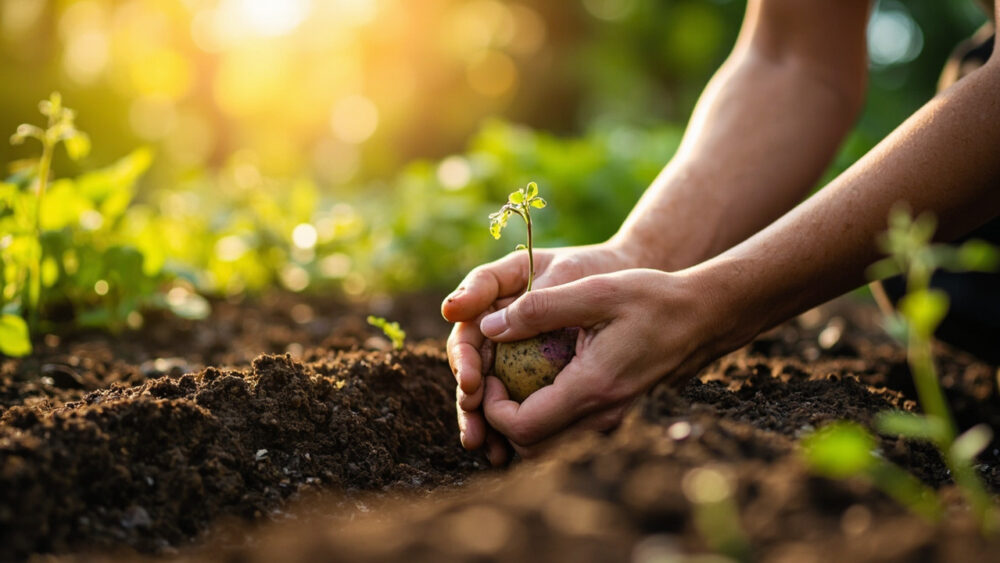
Plant potatoes in Florida between late January and early March in most of the state, once soil temperatures sit steady in the 50s to low 60s and the worst frost risk has passed. North Florida gardeners aim for late January through February. South Florida and coastal areas can start as early as late December through January, and can often squeeze in a fall crop too, which is something most guides never mention.
That said, the calendar date matters less than what is actually true. There is one mistake that wrecks more Florida potato crops than frost ever does, and it is not planting too early. There is also a sign in the soil that tells you your real window, no matter what zone map you are looking at.
Stick around for the section on it, and save the “Potatoes at a Glance” card at the very bottom before you go dig your row.
The Real Planting Window, Anchored to Soil and Frost
Florida spans USDA zones 8b in the panhandle down to 10b or 11 in the Keys, and that range is why “when to plant potatoes in Florida” does not have one single date. What every zone shares is the target soil temperature: 45 to 55 F minimum, with 50 to 65 F being the sweet spot for good sprouting without rot.
North Florida (zone 8b to 9a) plants late January into February, after the hardest frosts ease but while nights are still cool enough that potatoes will not rot. Central Florida (zone 9b) usually plants all of January through mid-February. South Florida (zone 10a and warmer) can start in late December and often finishes harvest before the real heat arrives in May.
The one thing that trips people up: Florida’s real enemy is not cold, it is heat arriving too soon.
The Mistake That Ruins Most Florida Potato Crops
If you assumed the risk was planting too early and losing the crop to frost, that is the guess almost everyone makes, and it is backwards for most of Florida. A light frost barely touches potato foliage if it happens while the plant is still short and the tubers are underground.
The actual killer is planting too late and running the plant into Florida’s early, fast heat. Potatoes stop forming tubers well once soil temperatures climb past 80 F, and Florida can hit that by late April even in the north. A crop planted in March in central Florida is racing a clock it usually loses.
So the real rule is: err early, not late. Get your seed potatoes in the ground as soon as your soil hits that 50 F floor, even if you might still catch one more light frost.
That changes how you should be checking your own yard right now, not just the calendar.
How to Find Your Actual Window, Not Just Your Zone’s Window
Zone maps give you a rough range. Your yard gives you the real answer. Push a soil thermometer four inches down, mid-morning, on a normal day, not right after a cold front. If it reads 50 F or higher and is trending up over a week, you are in your window.
No thermometer? Use your hand. Soil that feels cool but not cold, crumbly rather than wet and clumping, and workable without sticking to your shovel is usually in range. Sandy Florida soil, which most of the state has, warms faster than clay, so you may be ready before a neighbor two counties north.
Watch your last expected hard frost date for your specific county too. Panhandle gardeners often see a last frost into early February; south of Orlando, it is usually well before that. Plant potatoes two to three weeks before your average last frost, not after.
Get that timing right and the next question is what happens if you miss it in either direction.
Too Early, Too Late: What Actually Goes Wrong
Plant into soil still below 45 F and seed potatoes sit and rot before they sprout, especially in Florida’s sandy soil after a heavy rain. That is a real risk, but it is a narrow window of a few weeks in January in the coldest parts of the state.
Plant too late and you lose the crop slowly, not suddenly. Vines grow fine through March, but as soil temperatures climb past 75 to 80 F in April and May, tuber formation stalls. You will get vines and flowers and disappointing little potatoes, or none at all.
There is no fixing a too-late planting once the heat sets in. You cannot cool the soil back down. The honest move at that point is to let the plants finish what they can, harvest what is there, and replant on time next season.
Timing is most of the battle, but the ground you plant into matters just as much.
Prep to Do Before Your Window Opens
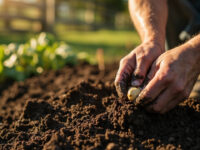
Start prepping two to three weeks before you plan to plant. Chit your seed potatoes (certified seed potatoes, not grocery store ones, which often carry disease and are treated to resist sprouting) by setting them in a bright, cool spot until sprouts are a half inch long.
Work Florida’s sandy soil deeply, since potatoes need loose ground to size up properly. Mix in compost or aged manure; sandy soil drains fast and needs the organic matter for both nutrients and moisture retention.
Cut larger seed potatoes into pieces with at least one or two eyes each, and let the cut sides dry and callus for a day before planting. Plant whole small potatoes as they are.
With the ground ready and seed potatoes chitted, the actual planting is straightforward.
Planting Depth, Spacing, and What Comes Next
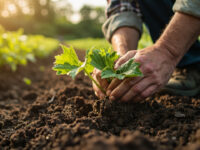
Plant seed pieces 3 to 4 inches deep, eyes facing up, spaced 10 to 12 inches apart in rows 30 to 36 inches apart. In Florida’s fast-draining sand, err toward the deeper end of that range.
Hill the soil up around the stems as they grow, adding 2 to 3 inches of soil or mulch every couple of weeks until you have a mound 6 to 8 inches high. This protects developing tubers from sun exposure, which turns skins green and bitter.
Florida’s sandy soil dries out fast, so consistent watering matters more here than in heavier soils up north. Aim for about 1 to 2 inches of water a week, more during dry spells, less right before harvest.
Most varieties are ready in 70 to 100 days, which in Florida usually lands you a harvest before the real summer heat locks in.
Region Notes Worth Knowing
North Florida gardeners get one real planting window a year, late January through February, and should treat frost cloth as cheap insurance if a hard freeze is forecast right after planting.
South Florida and the Gulf Coast often get two chances: a winter crop planted December through January, and sometimes a fall crop planted in September or October that beats the worst summer heat entirely.
Central Florida sits in between and has the most flexibility, but also the tightest margin for planting late, since its spring heat arrives early.
Whichever region you are in, here is everything worth saving before you go outside.
Potatoes at a Glance
- When to plant: late December through early March depending on region, once soil hits 50 to 65 F, two to three weeks before your area’s average last frost.
- North Florida window: late January through February, zones 8b to 9a.
- Central and South Florida window: December through mid-February, with a possible second fall planting in September or October in the south.
- Depth and spacing: plant seed pieces 3 to 4 inches deep, 10 to 12 inches apart, in rows 30 to 36 inches apart.
- Soil prep: loosen sandy soil deeply, mix in compost, and chit seed potatoes for two to three weeks before planting.
- Biggest mistake to avoid: planting too late and running into 80 F soil, which stalls tuber formation with no way to reverse it.
- Harvest time: 70 to 100 days after planting, before Florida’s late spring heat sets in fully.
Get the soil temperature right and plant on the early side, and Florida will grow you a good crop of potatoes despite its heat, not because you got lucky with frost.
When in doubt, plant a little earlier than the calendar tells you to.