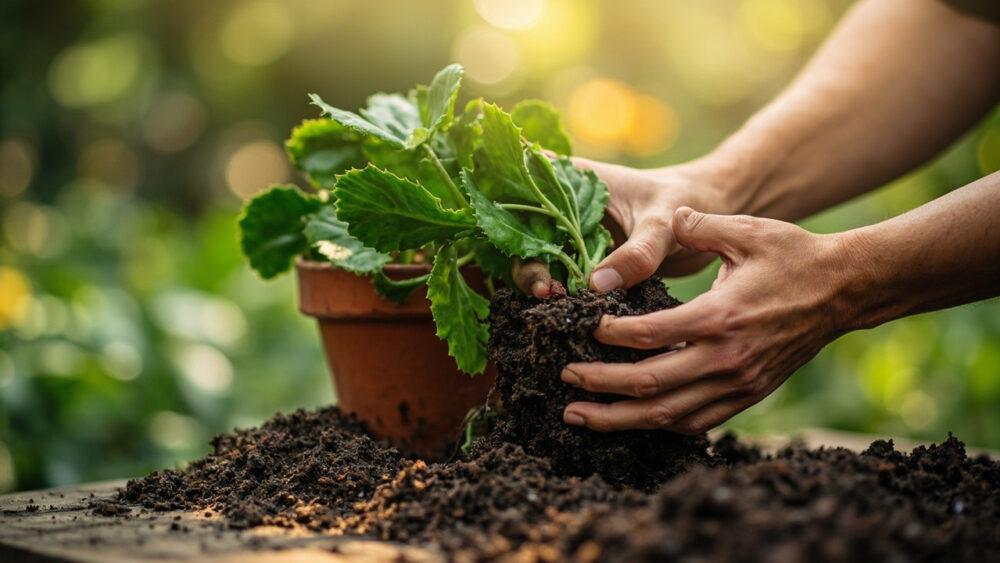
Repot a Christmas cactus when it’s rootbound, right after it finishes blooming, using a pot just one size up (about 2 inches wider) with a fast-draining cactus or succulent mix. Water it lightly a day or two before you disturb the roots, and hold off feeding or heavy watering for about two weeks after so the roots can settle without rotting. That’s the job in a nutshell, but there are three ways people botch this that cost them a full year of growth.
The biggest one: repotting while it’s in bud or in bloom, which almost always triggers bud drop and sulking. The second: jamming it into a pot that’s way too big, which sounds generous but actually invites root rot. And the honest answer to the question you’re probably about to ask, does it even need repotting, is usually no, not as often as you think.
Stick with this and I’ll walk you through timing, the mix that actually works, how to handle the roots without snapping segments off, and what thriving really looks like afterward. Save-able care card is waiting at the bottom.
When to Repot, and the Timing Mistake That Costs a Bloom Season
The right window is late winter into spring, a few weeks after flowering has finished and the plant is heading into its active growth phase. Christmas cactus (technically Schlumbergera, kin to the Thanksgiving cactus most people also call Christmas cactus) sets next year’s buds based on cool nights and shortening days in fall, so anything you do to stress it right before or during that bloom cycle risks buds dropping before they open.
Repot too early, in fall or during bloom, and you’ll watch flower buds shrivel and fall off within days. That’s the mistake that trips up most well-meaning owners.
You don’t need to repot yearly either. Every 2 to 3 years is plenty for a mature plant, unless roots are visibly circling the drainage hole or pushing the plant up out of the soil.
Next up: the pot size mistake that’s just as common, and just as costly.
Pot Size and the Mix That Actually Works
Go up only one pot size, roughly 2 inches in diameter larger than the current pot. A Christmas cactus likes being slightly snug at the roots. It’s a jungle cactus, an epiphyte by nature, used to growing in tight pockets of debris in tree crotches, not loose open soil.
Oversized pots hold excess moisture the roots can’t use fast enough, and that’s the direct road to root rot in this plant. Bigger is not better here.
For mix, use a cactus or succulent blend, or make your own with two parts regular potting soil to one part perlite or coarse sand. Whatever pot you choose, it needs a drainage hole, no exceptions, since this plant’s roots are far more sensitive to standing water than its cactus looks suggest.
Get the mix and pot right and the repotting itself is the easy part, which is next.
How to Actually Do the Repot
Water the plant lightly a day or two beforehand so the rootball isn’t bone dry and crumbly when you handle it. Then turn the pot on its side and slide the plant out, supporting the base of the stems rather than pulling on them.
- Gently loosen the outer roots with your fingers, but don’t hose off all the old soil, some clinging soil protects fine roots.
- Trim off any roots that are black, mushy, or hollow feeling; healthy roots are firm and pale tan to white.
- Set the plant in the new pot at the same depth it was growing before, don’t bury the lowest leaf segments.
- Fill in with fresh mix around the sides, firming gently, and leave about half an inch of space below the rim for watering.
Skip watering heavily right away. Let the plant rest in bright, indirect light for about a week before resuming your normal watering routine, and hold off fertilizer for two to four weeks so you’re not feeding stressed, damaged roots.
Once it’s settled back in, everything comes down to light and water, and this is where most day-to-day mistakes actually happen.
Light, Placement, and Temperature
Christmas cactus wants bright, indirect light year-round, an east or north-facing window is close to ideal. Direct hot afternoon sun, especially through south or west glass, can scorch the flat segments and turn them dull red or purplish, which people often mistake for good color when it’s actually stress.
Temperature matters more than most houseplant advice admits. It prefers 65 to 75°F during the day and appreciates a drop to 50 to 55°F at night in fall, since that nightly cool-down alongside longer darkness is what actually triggers bud formation.
Keep it away from heating vents, drafty doors, and cold windowpanes in winter. Sudden temperature swings cause bud and segment drop just as fast as bad watering does.
Get the light and temperature right and watering becomes a lot more forgiving, but there’s still a wrong way to do it.
Watering: How Much, How Often, and the Sign Everyone Misreads
Water when the top inch or two of soil feels dry to the touch, then water thoroughly until it runs from the drainage hole, and let the pot drain completely. In most homes that’s roughly every 7 to 12 days during active growth, stretching to every 2 to 3 weeks in winter rest.
If you assumed limp, wrinkled segments mean the plant needs water immediately, that’s usually right, but soft, mushy, translucent segments mean the opposite: it’s already been overwatered and the roots are struggling. Squeezing the base gently tells you more than staring at the leaves does.
Never let the pot sit in a saucer of standing water. That single habit kills more Christmas cacti than underwatering ever does.
Water right and feed right, and you’ve covered the plant’s two biggest ongoing needs, which brings us to feeding and the routine chores.
Feeding and the Routine Tasks That Keep It Full
Feed monthly during spring and summer with a balanced, water-soluble houseplant fertilizer diluted to about half strength. Stop feeding by early fall and through winter dormancy, since pushing new growth right before bud set works against flowering.
Pruning is simple and often skipped: after blooming ends, twist off a segment or two at each stem tip to encourage branching and a fuller shape. Those pinched-off segments root easily in slightly moist soil if you want more plants.
Wipe dust off the flat segments occasionally with a damp cloth, dust blocks light and can harbor pests. That’s it for maintenance, it’s a genuinely low-fuss plant once the basics are dialed in.
Even with good routine care, a few problems show up often enough that you should know them by sight.
Problems That Actually Show Up, and Their Fixes
- Segments dropping off: usually temperature shock, drafts, or a sudden move to a new location; stabilize placement before troubleshooting anything else.
- No blooms at all: almost always insufficient darkness and cool nights in fall. It needs roughly six weeks of 12 to 14 hour uninterrupted darkness and cooler nights to set buds.
- Mushy stem base, rot smell: root rot from overwatering or a pot without drainage. Unpot, trim rotted roots, repot in fresh dry mix, and cut watering way back.
- Shriveled, limp segments despite watering: root damage from past overwatering has left roots unable to take up water. Check roots rather than adding more.
- Tiny webbing or cottony spots: likely spider mites or mealybugs. Treat with insecticidal soap or neem, following the product label exactly, and isolate the plant while treating.
Christmas cactus is not considered highly toxic to cats and dogs, but ingestion can still cause mild stomach upset, vomiting, or drooling in pets. If you suspect your pet has eaten a significant amount, call your veterinarian rather than waiting to see what happens.
Once you’ve ruled out these common issues, it helps to know exactly what success actually looks like.
How to Tell It’s Genuinely Thriving
A thriving Christmas cactus pushes out new flat segments at the tips of its stems during spring and summer, each one a slightly brighter green than the older growth behind it. Stems stay firm and plump, not wrinkled or floppy.
Come fall and winter, the real payoff shows up as buds forming at the stem tips, followed by flowers in shades of pink, red, white, or salmon depending on variety. A plant that blooms reliably year after year on roughly the same schedule is a plant whose light, temperature, and water routine you’ve genuinely gotten right.
If yours hasn’t bloomed in a year or two, it’s fixable, not fatal, the darkness and cool-night trick almost always brings it back on schedule the following fall.
Here’s everything from above condensed onto one card worth keeping on your phone.
Christmas Cactus at a Glance
- When to repot: a few weeks after blooming ends, in late winter or spring, every 2 to 3 years or when roots circle the pot.
- Pot size: just one size up, about 2 inches wider, with a drainage hole, no exceptions.
- Soil mix: cactus or succulent blend, or two parts potting soil to one part perlite or coarse sand.
- Light: bright, indirect light year-round. Avoid direct hot afternoon sun.
- Watering: when the top 1 to 2 inches of soil feel dry, water thoroughly and let it drain, roughly every 7 to 12 days in growth, every 2 to 3 weeks in winter.
- Temperature and bloom trigger: 65 to 75°F by day, 50 to 55°F at night in fall, plus 6 weeks of uninterrupted darkness to set buds.
- Feeding: half-strength balanced fertilizer monthly in spring and summer, none in fall and winter.
Get the timing right and leave the roots slightly snug, and this plant forgives almost everything else.
Miss those two things, and no amount of fussing over light or fertilizer will save the bloom.