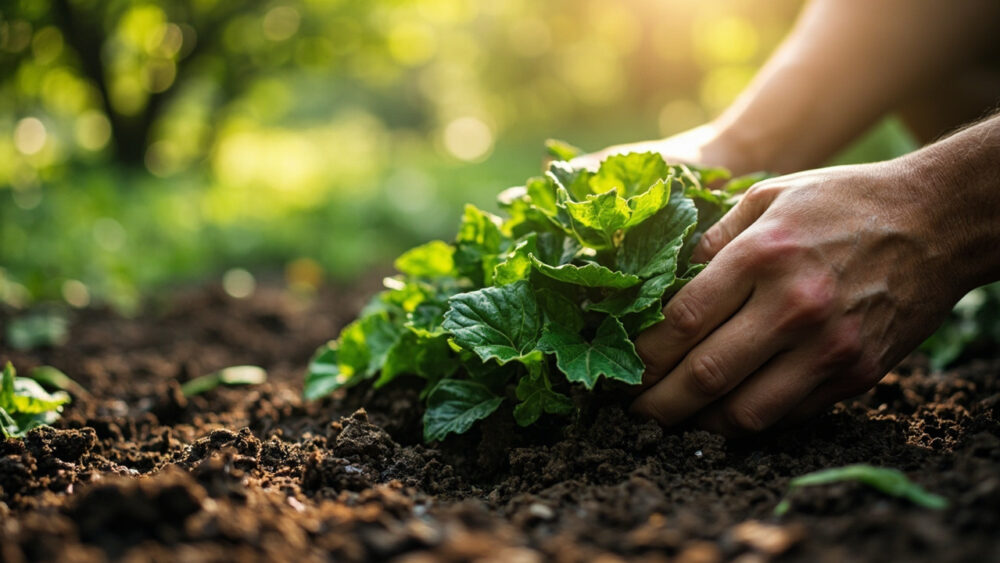
Growing pachysandra comes down to three things: plant it in real shade, give the roots loose, well-drained soil, and space the plants close enough that they knit together within two to three years instead of five. Get those right and this ground cover more or less takes over the job of mulch, weeding, and worrying about that bare patch under the trees. Get the spot wrong, and you will spend three summers wondering why your plants just sit there sulking while the neighbor’s patch looks like green carpet.
Before you get to planting, there are a few things that trip people up. The one mistake that ruins most attempts is not shade or soil, it is spacing too far apart to save money on plants, which leaves gaps for weeds to move into long before the pachysandra fills in. There is also a sign everyone misreads in the first year, when new transplants look thin and a little yellow and gardeners assume they are dying, when actually that is just normal transplant shock. And there is the honest answer to the question you are about to ask: how long until this actually looks good, which is not as fast as the plant tag implies.
Stick with this and you will get the full planting-to-harvest picture, plus a save-able Pachysandra at a Glance card at the very bottom with the numbers worth keeping on your phone.
When to Plant Pachysandra
Plant pachysandra in spring after the soil has thawed and softened, or in early fall while soil is still warm from summer, roughly six weeks before your first hard frost. Both windows work well because pachysandra is establishing roots, not pushing top growth, and cool air with warm soil is exactly what root establishment wants.
Avoid planting during the hottest stretch of summer if you can help it. Transplants dry out fast in July and August heat, and you will be watering daily just to keep them alive instead of letting rain do the work.
Gardeners in zone 4 and 5 should lean toward spring planting so plants have a full season to root in before winter. Zones 6 through 9 have more flexibility, and fall planting there often outperforms spring because the soil stays workable longer.
Timing gets your plants off to a good start, but the spot you choose decides whether they thrive at all.
Choosing the Spot and Prepping the Soil
Pachysandra wants shade, and it means it. Full to partial shade is ideal, the kind found under mature trees or on the north side of a house. In strong afternoon sun, especially in hot climates, leaves bleach yellow and scorch at the edges no matter how much you water.
Soil matters more than most people expect from a plant billed as low-maintenance. Pachysandra wants loose, humus-rich, well-drained soil with a slightly acidic pH, roughly 5.0 to 6.0. Heavy clay that stays soggy will rot the roots before the plant ever gets established.
Work two to three inches of compost or shredded leaf mulch into the top six inches of soil before planting. If drainage is genuinely poor, mix in some coarse sand or raise the bed slightly rather than fighting it later.
Clear existing weeds and grass now, because pulling them out from between pachysandra stems later is tedious and slow.
Once the ground is ready, the actual planting is the easy part, if you respect the spacing.
Planting Pachysandra Step by Step
1. Set the spacing
Space plants 6 to 12 inches apart in a grid pattern, not a single row. Closer spacing, toward the 6-inch end, fills in within two years. Wider spacing saves money upfront but can take four to five years to close, leaving room for weeds the whole time.
2. Dig the hole
Dig each hole just as deep as the root ball and about twice as wide. Planting too deep, burying the crown where stems meet roots, is a quiet killer that shows up as stunted growth months later.
3. Set the plant
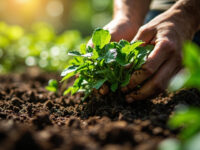
Loosen circling roots gently with your fingers before placing the plant. Set it so the crown sits right at soil level, backfill, and firm the soil down without compacting it hard.
4. Water in immediately
Give every new plant a deep drink right after planting, enough to settle soil around the roots and knock out air pockets.
5. Mulch lightly
A thin layer, about an inch, of shredded leaves or bark helps retain moisture while plants establish. Do not bury the crowns under mulch.
The planting itself takes an afternoon, but what you do in the weeks after decides whether it takes.
Watering and Feeding Through the Season
New pachysandra needs consistent moisture for the first two growing seasons, roughly an inch of water a week between rain and irrigation, more during hot dry stretches. Once established, it tolerates dry spells reasonably well, especially in shade where soil holds moisture longer.
If new transplants look pale and a little limp for the first few weeks, that is not a watering problem, that is transplant shock, and it is the sign most people misread. Roots are adjusting and top growth temporarily lags. Resist the urge to drown it or fertilize it back to health, both make it worse.
Feed established beds once a year in early spring with a balanced, slow-release fertilizer, or simply top-dress with a half inch of compost. Pachysandra does not need heavy feeding, and pushing too much nitrogen produces soft, disease-prone growth.
Water and patience get plants established, but a few problems can undo that work if you do not watch for them.
Problems That Actually Show Up
The most common issue is Volutella blight, a fungal disease that causes tan or brown blotches on leaves and dieback on stems, usually triggered by crowded, poorly ventilated plantings and plant stress from drought or sun scorch. Thin out dense patches, remove and discard infected foliage, and avoid overhead watering late in the day. If it is severe, a fungicide labeled for ornamental ground covers can help, applied exactly per the product label.
Scale insects show up as small brown bumps on stems and leaves, often with sticky residue underneath. Horticultural oil applied per label directions in early spring, before growth resumes, handles most infestations.
Root rot from soggy soil is preventable, not treatable, which is why drainage prep at planting time matters so much.
Deer mostly leave pachysandra alone, and it is mildly toxic if eaten in quantity by pets, so if a dog or cat ingests a large amount and shows vomiting or lethargy, call your veterinarian rather than waiting it out.
Head off these issues early, and the only thing left to manage is how long it takes to look finished.
When Pachysandra “Matures” and What to Expect
Pachysandra does not get harvested like a crop, but it does have a maturity timeline worth knowing honestly upfront. At 6-inch spacing, expect full canopy closure, that solid carpet look, in about two to three years. At wider spacing, plan on four to five.
Small white flower spikes appear in mid to late spring, easy to miss and not the plant’s main appeal. The evergreen foliage is the payoff, staying glossy green through winter in most zones, sometimes bronzing slightly in harsh cold.
If you want faster coverage, divide and replant clumps from an established bed every spring rather than buying all new stock, since divisions root fast and cost nothing.
That timeline is the honest answer nobody puts on the plant tag, and now you have it before you plant instead of after.
Pachysandra at a Glance
- When to plant: early spring after soil thaws, or early fall about six weeks before first hard frost.
- Light needs: full to partial shade, avoid strong afternoon sun.
- Soil: loose, humus-rich, well-drained, slightly acidic, pH 5.0 to 6.0.
- Spacing and depth: 6 to 12 inches apart, crown at soil level, not buried.
- Watering: about 1 inch a week for the first two seasons, drought-tolerant once established.
- Feeding: once yearly in early spring, balanced slow-release fertilizer or compost top-dress.
- Time to full coverage: 2 to 3 years at close spacing, 4 to 5 years at wide spacing.
Spacing and shade decide almost everything with pachysandra, get those two right and the rest is patience.
Give it the two to three years it actually needs before judging whether it worked.