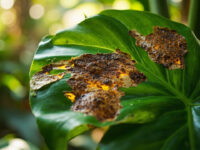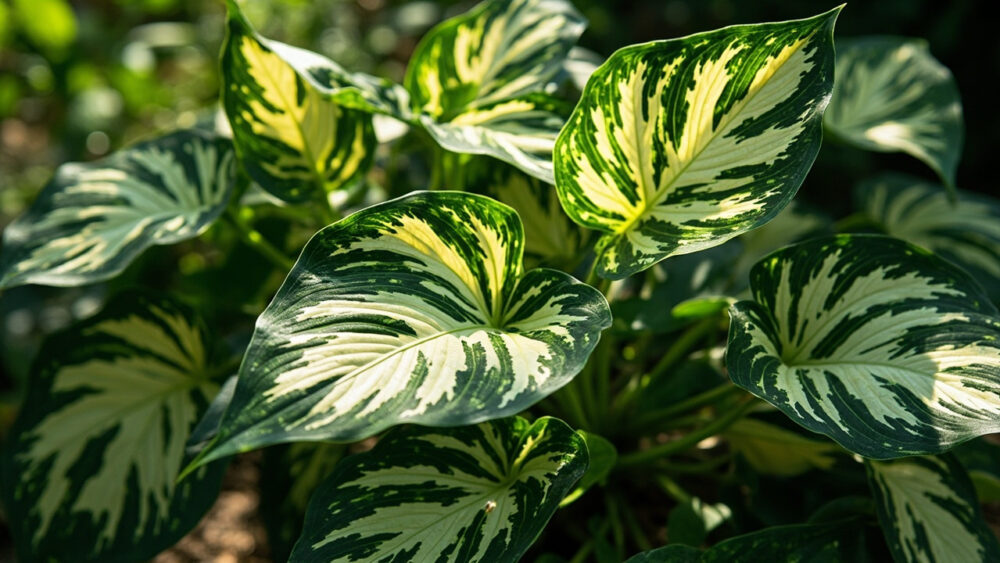
Yes, dieffenbachia is toxic to cats. Every part of the plant contains calcium oxalate crystals that irritate the mouth, tongue, and throat the moment a cat bites into a leaf or stem. It is not the most dangerous houseplant out there, but it is genuinely painful, and the common name “dumb cane” exists because of exactly what it does to the mouth.
What changes here is not whether it is toxic, but how bad the reaction gets, and that depends on how much your cat actually chewed versus just mouthed and dropped. A curious nibble and a determined chewing session are two very different vet visits.
Stick around for the part most owners get wrong when they try to judge severity by looking at the plant, the exact signs to watch for over the next few hours, and a short list of cat-safe look-alikes that give you the same lush jungle look without the trip to the emergency vet. There’s a save-able quick-reference card at the very bottom, worth screenshotting before you put the plant back on the shelf.
Why Dieffenbachia Hurts Cats
The danger is calcium oxalate crystals, tiny needle-shaped structures packed into every leaf, stem, and even the sap. When a cat bites down, those crystals physically puncture the soft tissue of the mouth and tongue, releasing irritating compounds at the same time.
It is a mechanical injury and a chemical irritation happening together, which is why the reaction is fast and why it looks so dramatic even though it is rarely life-threatening on its own.
The whole plant carries these crystals, roots included, so there is no “safer half” to worry about.
That immediate mouth pain is actually the reason most cats do not eat much of it.
How Much Exposure Actually Matters
Here is the part that surprises people: a single bite is often self-limiting. The pain hits so fast that most cats spit the leaf out, paw at their mouth, and walk away before they swallow any real quantity.
The riskier scenario is a kitten or a bored indoor cat who keeps chewing despite the discomfort, or one that swallows a chunk before the irritation registers. More plant matter means more crystal exposure, more swelling, and a higher chance of drooling that interferes with swallowing or breathing.
Sap contact with the eyes is its own problem, causing intense irritation and tearing even without any chewing at all.
If you catch your cat mid-bite, do not assume it is “just a little,” because you cannot see how much already went down.
Signs That Mean Your Cat Got Into It
Watch for these in the minutes and hours after suspected contact:
- Drooling or foaming, often heavy and sudden
- Pawing at the mouth or face
- Visible swelling of the lips, tongue, or throat area
- Difficulty swallowing or refusing food
- Vomiting
- Red, watery eyes if sap contacted the face
Swelling severe enough to affect breathing is uncommon but is the one sign that turns this into a true emergency rather than an uncomfortable afternoon.
Any of these signs are your cue to stop watching and start acting.
What To Do If Your Cat Chewed On It
Call your veterinarian or an animal poison control line right away for any suspected ingestion, even if your cat seems fine at the moment. Do not wait to see if symptoms develop, and do not attempt to treat this at home.
Rinse visible plant material or sap from the mouth or fur with water if your cat will tolerate it, but do not force anything into the mouth and do not try to induce vomiting yourself.
Bring or photograph the plant so the vet can confirm the species, and note roughly how much was chewed or missing from the plant if you can tell.
If breathing looks labored or the tongue is visibly swelling, that is an emergency vet visit, not a phone call that can wait until morning.
Cat-Safe Look-Alikes Worth Growing Instead
If you love the big, patterned, tropical look of dieffenbachia, you have safer options that scratch the same itch.
- Calathea varieties give you bold patterned foliage with zero toxicity risk
- Parlor palm offers a similar jungle presence and is non-toxic to cats
- Peperomia has fleshy, varied leaf shapes and is considered pet-safe
- Spider plant is non-toxic and gives cats something they can nibble without harm
Swapping the plant does not mean swapping the drama, calathea especially can hold its own next to any dieffenbachia in a room.
Keep the quick-reference card below handy for the next time someone asks if that big leafy plant on your shelf is a problem.
Dieffenbachia: Quick Reference
- Toxic to cats: yes, every part of the plant, due to calcium oxalate crystals
- Severity: generally mild to moderate, rarely life-threatening, but very painful in the mouth
- Highest risk factor: quantity chewed or swallowed, not just contact
- Common signs: drooling, pawing at the mouth, swelling of lips or tongue, vomiting, eye irritation from sap
- Emergency signs: swelling severe enough to affect breathing or swallowing
- What to do: call your veterinarian or poison control immediately for any suspected ingestion, no home treatment
- Safer alternatives: calathea, parlor palm, peperomia, spider plant
Dieffenbachia is worth keeping if your cat has no interest in it, but a plant this common causes plenty of vet calls every year.
When in doubt about any bite, mouth swelling, or drooling, your vet is the fastest and safest answer you will get.