Here is the honest read on the hydrangea vs viburnum question: if you want a showy, high-maintenance bloomer that rewards fussing, plant hydrangea. If you want a shrub that quietly does its job for twenty years without asking you for anything, plant viburnum. Most gardeners standing in front of both at the nursery are actually solving a lower-maintenance problem than they realize, and that tilts this comparison harder toward viburnum than people expect.
The difference that actually decides it is not the flowers, it is what happens the other eleven months of the year. Hydrangea gives you a spectacular six to eight weeks and a lot of shrug the rest of the season. Viburnum gives you steady structure, often berries, sometimes fall color, and almost no drama.
There is also a climate trap that flips the usual advice, and a maintenance cost nobody mentions until year three. Stick around, because the full side-by-side card is waiting at the bottom once you have the real differences.
The Key Differences That Actually Matter
Growth Habit and Size
Hydrangea tends to run 3 to 6 feet tall and wide for the common types like bigleaf and panicle, with a mounding, slightly floppy habit that wants some support after heavy rain.
Viburnum ranges wider, from compact 3-foot dwarf types to 10 to 15 foot small trees, with a stiffer, more architectural frame that holds its shape without staking.
If you need a plant that looks tidy without you touching it, that is viburnum’s category to win.
Care and Pruning
Care is where the gap really opens up. Hydrangea needs consistent moisture, benefits from mulching, and some types (bigleaf especially) sulk or drop flower buds after a hard late-spring frost.
Pruning timing also depends on which hydrangea you have, and getting it wrong costs you a year of bloom, which trips up more people than any pest ever does.
Viburnum tolerates missed watering, needs pruning only to shape or renew old wood, and forgives a wrong cut without losing a season.
This is the maintenance cost nobody mentions at the nursery, so keep it in mind before your care routine gets set.
Climate and Sun Tolerance
Most hydrangeas do best in USDA zones 3 to 9 depending on type, but bigleaf hydrangea genuinely struggles in hot, humid climates below zone 7 without afternoon shade, and struggles again in short-season northern zones where new wood cannot ripen before frost.
Here is the flip in the usual advice: in a brutal, humid summer climate, viburnum is often the tougher, more reliable plant, while the classic “hydrangeas love shade” advice can actually leave bigleaf types too wet and mildew-prone in a soggy corner.
Viburnum handles full sun to partial shade across a wider range of zones (generally 2 to 9 depending on species) without much complaint.
Sun and climate fit is where you separate the plant that survives your yard from the one that just visits it.
Bloom, Berries, and Seasonal Interest
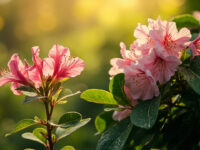
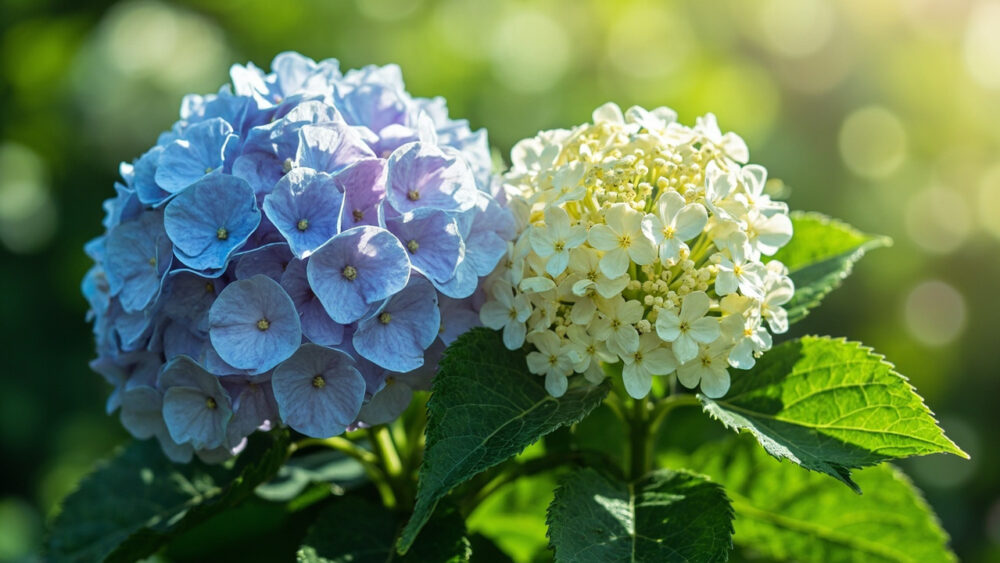
Bloom is hydrangea’s whole reason for existing: big mophead or cone-shaped flower clusters in white, pink, blue, or purple (bigleaf types shift color with soil pH) from early summer into fall.
Viburnum blooms are smaller, flatter, and less showy, usually white or cream in mid to late spring, but many species follow with red, blue, or black berries that feed birds and hold fall color that hydrangea simply does not offer.
If the goal is a cut-flower centerpiece, hydrangea wins outright, no argument.
Cost and Availability
Hydrangea, especially named bigleaf and panicle cultivars, generally costs a bit more at the nursery and gets replaced more often when a bad winter kills the buds.
Viburnum runs cheaper on average and, because it is not fussy, rarely needs replacing, so the real lifetime cost favors viburnum even when the sticker price is close.
Price on the tag is the least useful number here, the real cost shows up over the next five years.
When Hydrangea Is the Right Call
Pick hydrangea if you want serious visual payoff near a porch, entry, or patio where you will see it daily through summer.
It is the right choice for gardeners who cut flowers for the house, who enjoy fussing over soil pH to chase blue or pink blooms, and who have consistent water access, either a hose within reach or drip irrigation already in place.
It also makes sense in a partly shaded spot with rich, moisture-retentive soil, the exact conditions bigleaf hydrangea actually wants instead of the deep shade people assume it wants.
Skip it if you travel a lot in summer, garden in a climate with harsh late frosts, or hate replacing dead-looking sticks every spring while you wait to see if it survived.
That tradeoff is worth sitting with before you commit to a spot for it.
When Viburnum Is the Right Call
Choose viburnum for hedges, privacy screens, foundation plantings, or anywhere you need a shrub to just hold its ground for two decades.
It is the better call for busy gardeners, rental properties, new gardeners still learning their yard, and anyone who wants wildlife value, since many viburnum species feed birds through fall and winter with their berries.
It also tolerates a wider swing of soil types and rainfall, so if your yard has clay soil or inconsistent watering, viburnum shrugs that off where hydrangea would sulk.
The honest tradeoff is a shorter, less dramatic bloom window, which is a real loss if flower show is your main goal.
Knowing that tradeoff up front is what keeps you from feeling let down in July.
Can You Grow Both Together?
Yes, and in most gardens this is actually the smartest answer rather than a compromise.
Use viburnum as the structural backbone, hedging, corners, background layers, and let hydrangea play the showpiece role near paths and seating areas where its short bloom window gets seen.
They share similar watering needs early on and both prefer well-drained soil, so pairing them in the same bed is not a horticultural stretch.
One practical note: give hydrangea the better light and moisture in that pairing, since viburnum will out-compete it for neither and needs less to look good doing it.
Once you see them planted together, the verdict below will make more sense.
The Verdict
If you are choosing one shrub to actually commit to this weekend, choose viburnum, it is the lower-risk plant for the widest range of yards, climates, and skill levels, and it will not punish a missed watering week or a bad pruning cut. Choose hydrangea instead only if the display itself, the big color, the cut flowers, is the actual point of planting something there, and you are willing to give it consistent water and the right light to earn that show. Both are excellent shrubs, but one asks a lot more of you, and going in with clear eyes about which one that is will save you a disappointing spring.
Hydrangea vs. Viburnum at a Glance
- Growth habit: Hydrangea is a mounding 3 to 6 foot shrub that can flop after rain, Viburnum ranges from compact dwarfs to 10 to 15 foot small trees with a stiffer frame.
- Care: Hydrangea needs consistent moisture and careful pruning timing by type, Viburnum tolerates missed watering and forgives most pruning mistakes.
- Climate fit: Hydrangea (especially bigleaf) struggles in hard late frosts and can sulk in deep shade or heavy humidity, Viburnum handles full sun to partial shade across zones 2 to 9 with few complaints.
- Bloom and interest: Hydrangea offers big, showy clusters from early summer into fall, Viburnum offers smaller spring blooms followed by berries and fall color.
- Cost over time: Hydrangea often costs more upfront and gets replaced after a rough winter, Viburnum costs less and rarely needs replacing.
- Best use: Hydrangea works as a showpiece near patios and entries, Viburnum works as a hedge, screen, or foundation planting for the long haul.
- Best for: Hydrangea suits attentive gardeners chasing a big display, Viburnum suits busy gardeners who want a shrub that just performs.
Plant the one that matches your actual weekly effort, not your Pinterest board.
Get that right and either shrub will still be standing in your yard a decade from now.