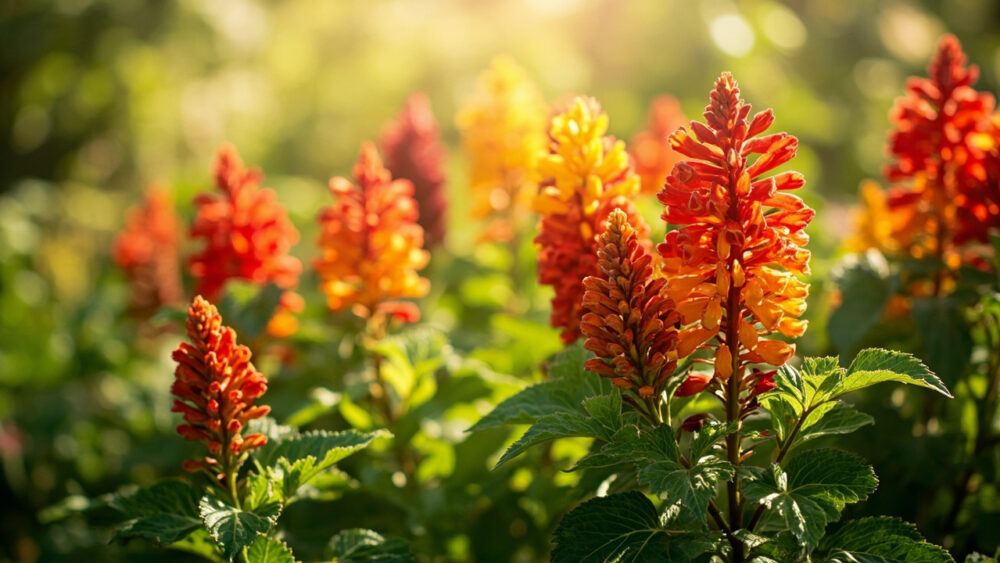
No, celosia does not come back on its own for most gardeners. It is a tender annual almost everywhere in the United States, which means the plant lives out its one season and dies with the first real frost, root and all. In the handful of warm zones where it can survive, it behaves less like a perennial and more like a plant that reseeds itself so aggressively it looks like it came back.
That distinction matters more than it sounds like it should. If you are hoping the celosia in your border will green up again next April, you need to know now whether that is even biologically possible where you garden, and what to do instead if it is not.
There is also the question of whether last year’s plant is truly gone or just resting, and a couple of tricks that get you something close to “coming back” even in a cold zone. Stick around for the quick-reference card at the bottom, it is built to save so you can check your own situation at a glance next spring.
The Plain Answer: Annual in Almost Every Zone
Celosia is genuinely perennial only in zones 10 and 11, and it is marginal even in warm pockets of zone 9. That covers south Florida, the far southern tip of Texas, and similar frost-free or nearly frost-free regions. Everywhere else, from zone 8 on north, it is grown strictly as an annual and will not survive a winter outdoors.
If you garden in zone 7 or colder, do not expect any part of the plant to return. The cold kills it outright, top and roots both, usually at the first hard frost.
In zones 8 and 9, results get inconsistent. A mild winter with only light, brief frost sometimes lets a plant limp through, but you are gambling, not gardening.
Next, the part almost everyone misreads as the plant coming back.
Why It Looks Like It Came Back (When It Didn’t)
Celosia is a generous self-seeder. Drop a plumed or cockscomb variety in a bed one summer, and the following spring you will often find new seedlings sprouting in that same spot, sometimes in numbers.
Those are not the same plant. The original died completely over winter. What you are looking at is its offspring, germinated from seed that dropped and overwintered in the soil, which is a very different mechanism than a perennial root surviving underground.
This is the mistake worth naming directly: gardeners assume their celosia is a perennial because it shows up again, when really it reseeded. The seedlings may not even match the parent exactly, since celosia varieties can cross and drift in color or form over a couple of generations.
That volunteer behavior is genuinely useful if you manage it on purpose, and here is how.
What Actually Happens Over Winter
In a cold or moderate zone, once night temperatures drop into the high 30s and low 40s Fahrenheit, celosia starts to look rough, leaves dulling and stems softening. A hard frost finishes it. The whole plant, roots included, turns to mush and dies.
There is no dormant crown waiting under the mulch, the way there is with a hardy perennial like a peony or hosta. Once it is frosted, it is done. There is nothing to overwinter in the ground itself.
What can survive, if conditions are right, is the seed it dropped. Seed sitting on or just under the soil surface can ride out a normal winter and germinate on its own once the soil warms in spring, typically once soil temperatures climb past the low 60s.
So the real question for next season is not “will my plant come back,” it’s what you do with that seed and whether you want to leave it to chance.
How to Get Celosia Back, Even in a Cold Zone
You have three honest options, and none of them involve the original plant surviving.
- Let it self-seed on purpose: stop deadheading a few plumes in late summer and let the seed drop where you want next year’s flowers, then leave that soil undisturbed over winter.
- Collect and store seed yourself: cut a few fully dried flower heads before frost, shake the seed into a paper envelope, and keep it somewhere cool and dry until you sow indoors six to eight weeks before your last frost.
- Try overwintering indoors as a houseplant experiment: celosia is not built for this and rarely thrives indoors long term, but a small potted cutting under strong light sometimes limps through winter for the curious. Treat it as a novelty, not a reliable plan.
Digging up the whole plant and potting it up for winter does not work the way it does with, say, a geranium. Celosia’s root system does not store energy for a true dormancy period, so the transplant shock alone usually finishes it off even before cold does.
Seed saving is genuinely the closest thing to “bringing it back” that exists for this plant.
When Treating It as an Annual Is Just the Better Move
Here is the honest take: fighting to preserve one specific celosia plant is not worth the effort for most gardeners, and starting fresh every year is not a loss, it is just how this flower works.
Fresh seed or fresh transplants each spring give you better plants anyway. Celosia blooms hardest and holds its color best on young, vigorous growth. An aging plant, even in a zone warm enough to keep it alive, tends to get leggy and bloom less as it goes into a second year.
If you want more celosia with less guesswork, buy or start new seed each year, direct sow after your last frost once soil has warmed, or set out nursery starts on the same schedule you’d use for marigolds or zinnias.
That is also exactly why the plant is popular for cut flowers and hot, dry beds: it grows fast, blooms hard all one season, and never asks you to nurse it through winter.
Everything above boils down to a handful of facts worth keeping on hand, and that’s exactly what’s below.
Celosia: Quick Reference
- Does it come back: no, not as the same plant, in almost every zone in the continental US.
- True perennial zones: only zones 10 and 11, with zone 9 being a coin flip in mild winters.
- What kills it: the first hard frost, which destroys the roots along with the top growth.
- Why it seems to return: heavy self-seeding drops seed that overwinters in soil and sprouts new plants in spring.
- Best way to get it back: collect dry seed heads before frost and store them cool and dry, or let a few plumes drop seed in place.
- Best overall approach: grow it as an annual on purpose, starting fresh seed or transplants each spring after soil warms.
Celosia gives you one strong season of color, not a comeback act.
Plan for that honestly, and it will never disappoint you.