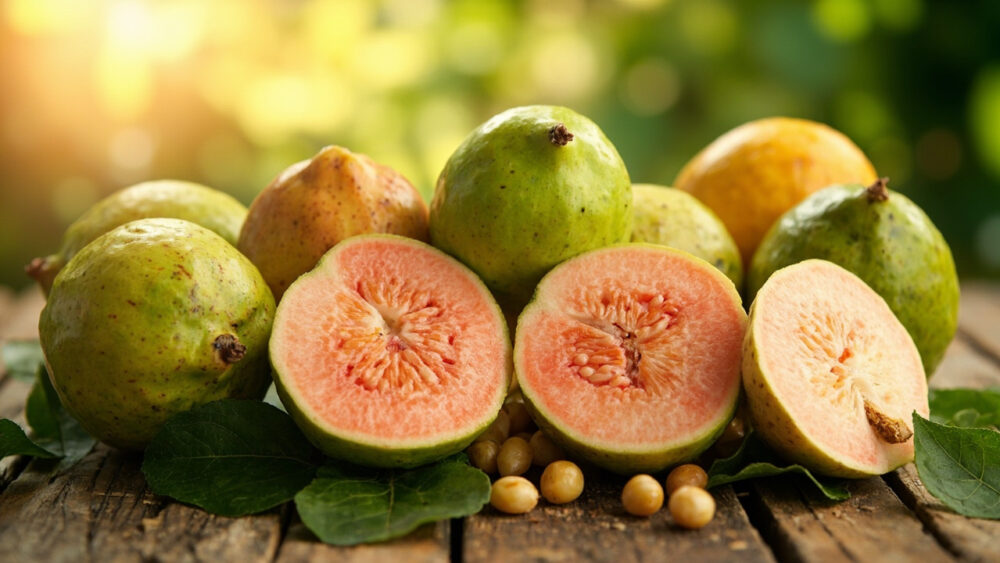
The fastest way to narrow down guava varieties is to figure out whether you want fresh eating fruit, a heavy producer for jam and juice, or a compact plant you can grow in a container on a patio, because almost nothing on this list does all three well.
Most first-time buyers grab whatever generic “tropical guava” the nursery has in stock, which is usually a seedling apple guava, and end up disappointed by seedy, mild fruit when they wanted something sweeter. Experienced growers quietly favor a different group entirely, the strawberry and lemon guavas, because they fruit younger, stay smaller, and tolerate a chilly winter that would sulk a full-size tropical type. There is also the honest problem nobody tells you about until you own the plant: some of the best-flavored guavas are the most cold-tender, so your climate eliminates half this list before flavor even enters the conversation.
Number 13 on this list is the one most people get completely backwards, picking it for looks when it is actually grown for something else entirely. The last few entries, plus the simple method for choosing between all fifteen, are waiting at the bottom, so keep scrolling before you commit to a plant.
Classic Eating Guavas
These are the types people picture when they hear the word guava, grown mainly for fresh fruit off the tree.
1. Common Guava (Psidium guajava)
The default species behind most nursery stock, common guava is a fast-growing small tree reaching 12 to 20 feet if left unpruned, hardy outdoors only in USDA zones 9b through 11 and grown as a container plant everywhere colder. Fruit runs from lime-sized to baseball-sized depending on the seedling, with white or pink flesh and a musky sweetness that either wins people over instantly or not at all.
2. Ruby Supreme
A named selection bred for consistent quality rather than the genetic roulette of an unnamed seedling tree. Ruby Supreme produces medium fruit with deep pink flesh, fewer seeds than most common guavas, and a reliably sweet flavor that makes it a solid first choice for someone who wants fresh eating fruit without gambling on seed-grown stock.
3. Mexican Cream
Grown for its custardy texture as much as its flavor, Mexican Cream produces pale yellow-white flesh that softens to something close to a ripe pear when fully mature. It is a heavy, reliable bearer in warm climates and one of the easier common guavas to find fruiting size at a nursery.
4. Thai Maroon (Ruby X)
Grown as much for its foliage as its fruit, Thai Maroon has burgundy-red new leaves that mature to deep green, making it a decent ornamental even before it fruits. The fruit itself is medium-sized with pink flesh and a milder, less musky flavor than standard common guava, which makes it a good pick for guava-skeptics.
If the musky edge of common guava is not for you, the next group solves that problem entirely.
Sweet and Mild Guavas
This group trades the strong musky note of common guava for a cleaner, more straightforward sweetness.
5. Lemon Guava
A smaller-fruited relative, lemon guava produces round, golf-ball-sized fruit with yellow flesh and a bright, citrusy sweetness with none of the musk that puts newcomers off common guava. The shrub tops out around 10 to 15 feet, tolerates light frost better than tropical common guava, and fruits reliably in a large container.
6. Strawberry Guava (Psidium cattleianum)
The best cold-hardy option on this list, strawberry guava survives brief dips into the mid-20s Fahrenheit once established and stays compact at 8 to 15 feet, making it workable in zone 8b with winter protection. The dark red fruit is small, sweet, and tastes close to what the name promises, though the plant self-seeds aggressively in warm, humid climates and is considered invasive in parts of the tropics, so check local rules before planting it outside a container.
7. Yellow Strawberry Guava
A color variant of strawberry guava with pale yellow skin and flesh instead of red, and a slightly milder, less tart flavor. It shares the same compact size and cold tolerance as red strawberry guava, so choose between the two on flavor and color preference alone rather than growing difficulty.
8. Hawaiian White
Bred for sweetness over acidity, Hawaiian White produces medium round fruit with creamy white flesh and one of the lowest-acid flavors of any common guava, closer to a melon than a citrus. It suits growers who found standard common guava too sharp and want an easier entry point for fresh eating.
If you want fruit fast and in volume rather than a specific flavor profile, the next category is where to look.
Heavy Producers for Jam, Juice, and Preserves
These varieties are chosen for yield and processing quality more than fresh-eating elegance.
9. Beaumont
A commercial-grade producer, Beaumont was developed for juice and processing in Hawaii and reliably sets heavy crops of medium pink-fleshed fruit with a strong, tangy flavor that holds up well cooked down or juiced. It grows into a substantial 15 to 20 foot tree given the room, so it is not the choice for a small yard.
10. Indonesian Seedless
Grown for convenience rather than intense flavor, Indonesian Seedless produces crisp, apple-textured fruit with few to no hard seeds, which makes it popular for fresh slicing and for cooks who do not want to strain seeds out of jam. Flavor is milder than seeded types, a fair tradeoff for the lack of seeds.
11. Red Malaysian
An ornamental and productive dual-purpose tree, Red Malaysian has striking maroon foliage and pink flowers in addition to red-skinned, pink-fleshed fruit with a tart-sweet balance that makes excellent jam and paste. It is a strong choice if you want a guava that earns its space in the yard even between harvests.
12. Patillo
A heavy, dependable bearer favored by home canners, Patillo produces medium pink-fleshed fruit in large quantities over a long season in warm climates. Flavor is solid rather than exceptional, but the volume and reliability are exactly what you want if your goal is a pantry full of guava paste and jelly rather than fruit to eat out of hand.
Now for the entry most people misjudge, and the rest of the payoff you came here for.
Ornamental and Specialty Types
These earn a spot in the garden for reasons beyond flavor alone.
13. Pineapple Guava (Feijoa sellowiana)
Most people buy this one for its edible fruit and are surprised it is really an ornamental shrub first. Pineapple guava is a different genus entirely from true guava, grown mainly for its silvery evergreen foliage, striking red and white edible flowers, and cold hardiness down to around 10 to 15 degrees Fahrenheit, making it usable in zones 8 through 10. The fruit is genuinely tasty, a pineapple-mint flavor, but it is a bonus on a plant most people are really growing as a hedge or specimen shrub.
14. Variegated Guava
Grown almost entirely for its leaves, this common guava variant has cream-and-green marbled foliage that makes it a strong container specimen even in a non-fruiting year. Fruit production is lighter and less predictable than standard green-leaved types, so treat any harvest as a bonus rather than the main event.
15. Dwarf Guava (various compact cultivars)
The best fit for small spaces, dwarf guava cultivars stay under 6 to 8 feet and often fruit in a container within 2 to 3 years from a young plant, far faster than a full-size seedling tree. Flavor and fruit size vary by the specific cultivar sold locally, so ask the nursery which parent variety it was bred from if fresh-eating quality matters to you.
How to Choose the Right One
- Check your space first: a patio or small yard points you toward strawberry, lemon, or dwarf types, while an open half-acre can handle a full-size Beaumont or Red Malaysian.
- Match your climate honestly: true guava needs zone 9b or warmer to survive outdoors year-round, strawberry guava and pineapple guava stretch that down to zone 8, and everyone else grows guava in a container that comes indoors for winter.
- Decide your purpose before you buy: fresh eating favors Ruby Supreme, Mexican Cream, or Hawaiian White, while jam and juice favor Beaumont or Patillo.
- Weigh flavor against seeds: if seed count matters more than intensity of flavor, Indonesian Seedless is worth the tradeoff.
- Be honest about your care appetite: strawberry guava is the most forgiving of neglect and cold, while full-size common guava wants consistent water and warmth to fruit well.
- If you want fruit without a foliage payoff, skip variegated guava and pineapple guava and go straight to a standard fruiting cultivar.
Pick based on your winters and your patience, not the prettiest tag at the nursery.
Get that match right and the tree does most of the rest of the work for you.