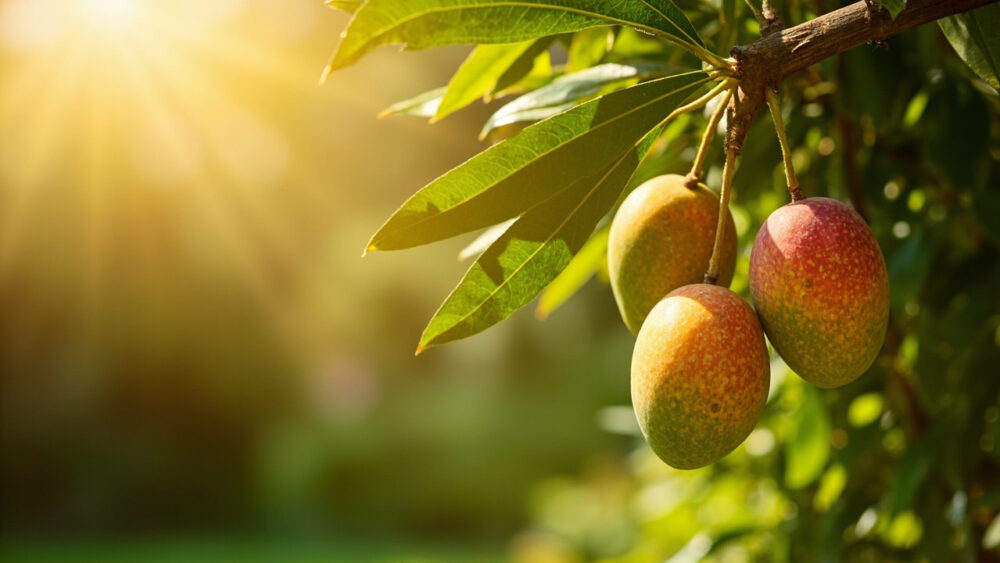
A mango tree grown from a grafted nursery start takes about 3 to 5 years to produce its first real crop of fruit. Grow one from a seed instead, and you are looking at 5 to 8 years, sometimes longer, with no guarantee the fruit will taste like the one you ate the seed out of. So if you are asking how long does it take to grow mangoes because you just planted one and want a date on the calendar, the honest answer is years, not months.
That range is wide for a reason, and the reason is usually sitting in your own yard or on your own patio. Climate, variety, and whether the tree is in the ground or in a container all shift the timeline hard in one direction or the other.
Stick around for the stage-by-stage version of what actually happens between planting and that first ripe mango, plus the one grower mistake that adds years without the person ever realizing it. There is a save-able quick-reference card at the very bottom once you have the full picture.
The Realistic Timeline, Start to First Harvest
Grafted trees are the fast path. Nurseries graft a fruiting variety onto sturdy rootstock, which skips the long juvenile phase seedlings go through. Expect flowers and a light first crop around year 3, with a real harvest by year 4 or 5.
Seed-grown trees take the slow road. They need to mature past a juvenile stage before they can flower at all, and that alone can eat 4 to 6 years before you see a single bloom, with fruit following a year or so after that.
Once a tree is mature and fruiting, it settles into an annual rhythm: bloom in late winter to early spring, fruit ripening 3 to 5 months later depending on variety and heat.
The tree you buy decides more of this timeline than anything you do afterward.
What Actually Controls the Speed
Variety matters more than most people expect. Some cultivars are known for precocious fruiting and will produce in year 2 or 3 as grafted trees, while others hold off until year 5 or 6 even under good care.
Climate is the bigger lever. Mangoes want true tropical to subtropical heat, roughly USDA zones 9b through 11, consistent warmth, and a distinct dry season to trigger flowering. In marginal zones, or in a container that gets hauled indoors every winter, growth slows and flowering gets unreliable, sometimes stalling for years.
In-ground trees in ideal heat outpace potted trees every time, because roots that can spread freely simply build a bigger, more fruitful tree faster.
If your tree is behind schedule, the first place to look is not the tree, it is the climate and container it is living in.
Stage by Stage: What You Should Actually See
Here is the honest sequence, so you can tell where your tree actually sits.
- Year 1: establishment. New leaf flushes, modest height gain, no flowers. This is normal, not slow.
- Year 2 to 3: the tree fills out its canopy and root system. Grafted trees may throw a tentative bloom late in this window.
- Year 3 to 5: first real flowering and fruit set for grafted trees. Expect a handful of mangoes, not a full crop.
- Year 5 onward: yields climb steadily for another several years as the canopy matures.
- Bloom to ripe fruit, each season: roughly 100 to 150 days from flower to harvest-ready fruit, depending on variety and heat.
If your tree matches this sequence, it is not behind, it is exactly on schedule.
How to Legitimately Speed Things Up
Buy grafted, not seed, if speed matters to you at all. This single decision saves more years than any care technique that follows it.
Give the tree full sun, at least 8 hours, and consistent heat above roughly 50°F, since cold stress and shade both delay flowering. Feed with a balanced fruit-tree fertilizer through the growing season and back off nitrogen as flowering season nears, since heavy nitrogen pushes leafy growth at the expense of blooms.
Let the soil dry out somewhat between waterings once the tree is established, and if you are in a marginal climate, a deliberate dry spell in late fall to winter actually helps trigger flowering rather than hurting the tree.
What does not work: heavy pruning to “force” fruiting, extra fertilizer dumped on all at once, or moving a container tree in and out constantly chasing sun. All of that adds stress without adding speed.
Get the sun, heat, and feeding right and you are working with the tree’s natural clock instead of against it.
When Slow Is Normal, and When It Is a Problem
If you assumed a tree with no flowers by year 2 or 3 must be doing something wrong, that guess is usually wrong itself. A healthy young mango tree with no blooms yet is still building the framework it needs before it can fruit at all, and pushing it to bloom early with fertilizer tricks tends to backfire.
Actual red flags look different: no new leaf growth at all for a full season, leaves that stay pale or scorched, or a trunk that has not thickened noticeably over two or three years. Those point to root problems, cold damage, or a container that is too small, not to normal juvenile patience.
A grafted tree that is 6 or 7 years old and has still never bloomed under good sun and warmth is worth investigating rather than waiting out further.
Everything else, the slow first few years, the light first crop, the uneven bloom timing, is just what a mango tree does.
Mangoes: Quick Reference
- Grafted tree to first harvest: about 3 to 5 years
- Seed-grown tree to first harvest: about 5 to 8 years, fruit quality not guaranteed
- Bloom to ripe fruit each season: roughly 100 to 150 days
- Ideal climate: USDA zones 9b to 11, full sun, warmth above about 50°F
- Fastest path: buy a grafted variety and plant in the ground in full sun
- Real red flag: no new growth for a full season, not simply no flowers yet
Patience is most of this crop, the tree does the rest on its own schedule.
Get the variety and climate right, and the years pass faster than you think while you wait.