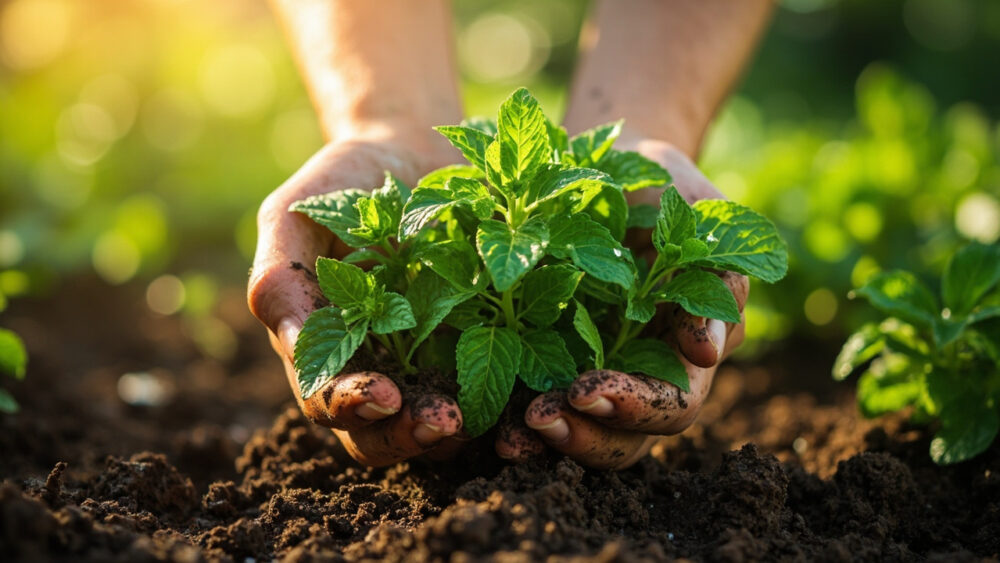
Growing peppermint is easy, almost embarrassingly so, once you accept the one rule that governs everything else: contain it, or lose the rest of your garden to it. Learning how to grow peppermint means giving it damp soil, a few hours of sun, and a physical barrier around its roots, because this plant spreads by underground runners and does not ask permission. Plant it the way most people do, straight in the open ground, and by next season you will have a peppermint patch the size of a kiddie pool and no memory of choosing that.
There is also a sneaky mistake buried in the harvest itself, the one where perfectly healthy plants get cut back at exactly the wrong moment and the flavor goes flat for weeks. And most people misread the wilting leaves in July, blaming the sun when the real problem is sitting an inch below the surface.
Stick with me through planting, feeding, the pest that shows up almost every year, and the harvest timing that actually concentrates the oils. The save-able Peppermint at a Glance card is waiting at the bottom once you have the full picture.
When to Plant Peppermint
Plant peppermint after your last frostonce nighttime temperatures reliably stay above roughly 40°F and soil temperature has warmed to at least 50°F. For most gardeners that lands two to three weeks after the average last frost date. Peppermint is hardy in USDA zones 3 through 9, so established plants shrug off winter, but new transplants and divisions want mild, settled weather to root in.
Fall planting works too, about six weeks before your first expected frost, giving roots time to establish before cold shuts things down. Starting from seed is possible but slow and genetically unreliable, since peppermint is a natural hybrid and seed-grown plants often drift from the parent’s flavor. Buy a small transplant or take a rooted cutting or division from a friend’s patch instead.
Timing solved, next comes the decision that actually determines whether this plant behaves itself.
Choosing the Spot and Prepping the Soil
Peppermint wants partial sunroughly four to six hours a day, with some afternoon shade in hot climates. Full sun works fine in cooler regions but can scorch leaves and dry the soil too fast where summers run hot. The soil should be rich, moisture-retentive, and slightly acidic to neutral, in the 6.0 to 7.0 pH range.
Work a couple inches of compost into the top 6 to 8 inches of soil before planting. Peppermint tolerates poor soil better than most herbs, but it rewards good soil with thicker, more fragrant growth.
Here is the part almost everyone skips: decide right now how you will contain it. Sink a bottomless container, a section of pipe, or a root barrier at least 12 inches deep into the ground, or better, just grow it in a large pot sitting on top of the soil so runners can’t escape through drainage holes into the bed beneath. This single decision saves you years of digging invasive roots out of everywhere they don’t belong.
With the spot chosen and the barrier in place, planting itself takes ten minutes.
Planting Peppermint Step by Step
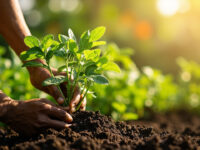
- Dig the hole: make it as deep as the root ball and just as wide, so roots aren’t bent or crowded.
- Set the depth: plant at the same depth the transplant was growing in its container, not deeper.
- Space plants: 18 to 24 inches apart if you’re growing multiple plants in open ground within a barrier, since they fill in fast.
- Backfill and firm: press soil gently around the base to remove air pockets without compacting it hard.
- Water immediately: soak thoroughly at planting to settle the roots and eliminate remaining air gaps.
- Mulch lightly: an inch of mulch or shredded leaves keeps moisture in and suppresses competing weeds while roots establish.
Get it in the ground correctly and the plant does most of the remaining work itself.
Watering and Feeding Through the Season
Peppermint is a moisture lover. Keep the soil consistently dampnot soggy, watering whenever the top inch of soil starts to feel dry to the touch. In hot weather that can mean every day or two, especially for container-grown plants, which dry out faster than in-ground beds.
If you assumed drooping leaves in the heat of the afternoon mean the plant needs water immediately, that guess is usually half right and half wrong. Peppermint often wilts a little under intense midday sun even with plenty of moisture in the soil, then perks back up by evening. Check the soil an inch down before you water again; if it’s still moist, the wilt is heat stress, not thirst, and extra water just invites root rot.
Feed lightly. A balanced organic fertilizer or a half-inch of compost worked in once in spring is usually enough. Overfeeding pushes soft, leggy growth with less of the aromatic oil that gives peppermint its punch.
Water and food dialed in, now the part where things can actually go wrong.
Problems That Actually Show Up
Peppermint is tough, but a few issues turn up almost every year. Powdery mildew is the most common, showing as a gray-white coating on leaves during humid weather with poor air circulation. Space plants generously, water at the soil line instead of overhead, and thin crowded growth to let air move through.
Rust shows up as orange-brown pustules on leaf undersides. Remove and destroy affected leaves promptly, and avoid overhead watering, which spreads spores. Severe cases mean pulling and starting fresh divisions in a new spot.
Aphids and spider mites occasionally cluster on new growth, especially in dry, dusty conditions. A strong spray of water knocks most of them off, and insecticidal soap handles persistent populations; always follow the product label exactly.
Root rot from soggy, poorly drained soil is the real threat behind that midday wilting worry from before. If leaves yellow and the base of the stem feels soft or mushy, pull the plant and check the roots. Brown, mushy roots mean the plant is beyond saving and the spot needs better drainage before you try again.
Keep the leaves dry and the roots un-drowned, and peppermint mostly takes care of itself.
When and How to Harvest Peppermint
You can start snipping leaves once the plant is 4 to 6 inches tall, usually six to eight weeks after planting. For the best flavor, though, wait until just before the plant flowerstypically midsummer, when the essential oil concentration in the leaves peaks.
Here’s the timing mistake that costs people flavor all season: cutting mint back hard right after it blooms. Once flowering finishes, oil content drops and the leaves taste noticeably weaker for weeks afterward. Instead, harvest right as the first flower buds form, or pinch flower buds off entirely to keep the plant in leafy, high-oil production mode all summer.
Cut stems in the morning after dew has dried, using scissors or shears just above a leaf node. You can take up to a third of the plant at once without stressing it, and it regrows quickly. Regular harvesting through the season actually encourages bushier, more productive growth rather than weakening the plant.
For drying, hang small bundles upside down in a dark, airy spot for one to two weeks, or dehydrate leaves at a low setting until they crumble easily. Fresh leaves keep about a week in the fridge wrapped loosely in a damp paper towel.
One more thing worth knowing before you plant it anywhere near the yard: peppermint is generally considered safe around most gardens, but it is mildly toxic to cats and dogs in large quantities, so watch pets that graze heavily on it and call a veterinarian if you notice vomiting, drooling, or lethargy after ingestion.
All of that adds up to a plant that rewards a few smart decisions early and mostly forgives the rest, which is exactly why the quick reference below is worth saving.
Peppermint at a Glance
- When to plant: two to three weeks after last frost, once soil hits about 50°F, or six weeks before first fall frost.
- Sun and soil: four to six hours of sun, rich moisture-retentive soil, pH 6.0 to 7.0.
- Spacing and depth: plant at container depth, space 18 to 24 inches apart, always inside a root barrier or container.
- Watering: keep soil consistently damp, checking the top inch before watering again.
- Feeding: light feed once in spring with balanced organic fertilizer or compost.
- Watch for: powdery mildew, rust, aphids, and root rot from soggy soil.
- Harvest window: begin at 4 to 6 inches tall, prioritize cutting just before flowering for peak flavor.
Contain the roots on day one and you will never regret growing peppermint.
Everything else about this plant is just showing up with scissors.