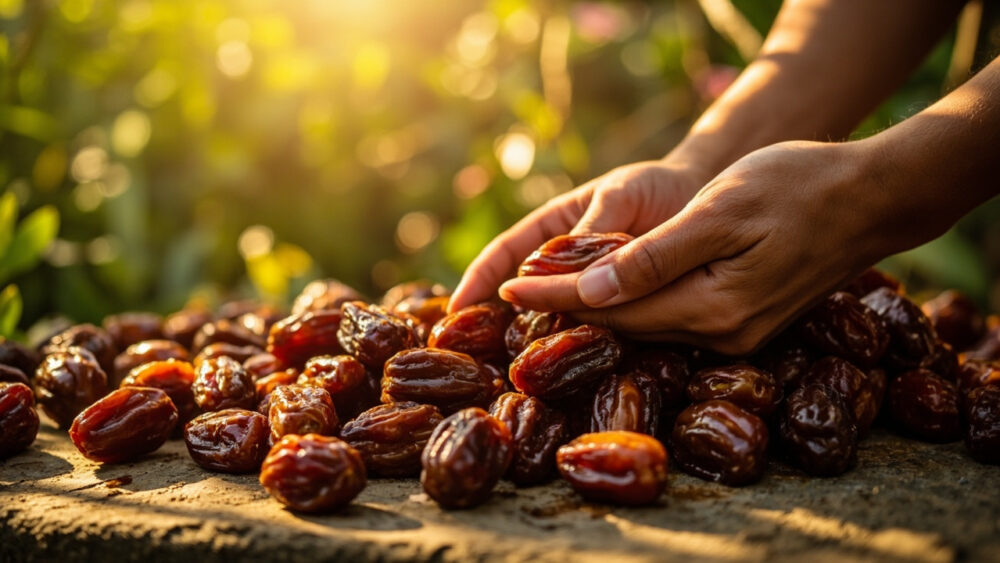
The best way to store dates is in an airtight container in the refrigerator, where they hold their texture and flavor for six months to a year. Room temperature works fine for a few weeks if you’re eating through them fast, but that’s the ceiling, not the target. Freeze them and you can push storage life out to a year or more with almost no loss in quality.
That’s the short answer. The longer answer is where most people go wrong, because dates are deceptive. They look dried out and indestructible, like something that can just sit in a bowl on the counter forever. They can’t, and the mistake that ruins most batches happens before the date ever gets stored, not after.
Below I’ll walk through exactly how to store them by method, how to tell when they’ve turned, and the two or three habits that quietly wreck an otherwise good batch. Save the Dates at a Glance card at the bottom for the numbers you’ll actually want to remember.
The Refrigerator Method, Step by Step
This is the method to default to for anything beyond a couple weeks. Here’s how to do it right.
- Check the dates for any sugar crystallization or off smell before storing. Don’t store questionable fruit hoping the fridge will fix it.
- Pack them into a container with a tight-fitting lid, or a heavy freezer bag with the air pressed out. A loose lid or a fold-over bag lets them dry out and pick up fridge odors, both of which ruin the texture.
- Label the container with the date you bought or picked them. You will not remember six months from now.
- Store in the main body of the fridge, not the door, where temperature swings every time it opens.
Layer parchment between clumps if your dates are especially sticky, like Medjools. It keeps them from fusing into one solid brick you have to hack apart later.
That’s the whole method, but how long it actually buys you depends on which dates you’re storing.
How Long Dates Actually Keep, Method by Method
This is the part everyone gets wrong, because they assume all dates behave the same. They don’t. Softer, moister varieties like Medjool behave differently than dry, firm varieties like Deglet Noor.
At room temperature, in a sealed container out of direct light, expect two to four weeks before texture starts to suffer. Moist varieties fade faster than dry ones.
In the refrigerator, sealed, expect six months to a year. This is the sweet spot for most home kitchens, long enough that you’re not babysitting them, cold enough that sugars stay stable and mold has no foothold.
In the freezer, sealed in a freezer bag or rigid container with air pressed out, dates hold well for a year or more. They don’t really freeze solid the way juicy fruit does, since their sugar content is so high, so you can often pull one out and eat it straight from frozen.
Dry-cured dates, the kind sold firm and slightly wrinkled rather than soft and glossy, tolerate room temperature the longest of any category.
Freezing sounds like overkill for a fruit that already looks dried out, but that assumption is exactly what gets people into trouble next.
The Washing Mistake That Starts the Clock Early
Here’s the sign everyone misreads: dates look shelf-stable, so people assume any prep is fine, including a quick rinse before storing “just in case.” Don’t do it.
Washing dates before storage introduces moisture into fruit that depends on staying dry to resist mold. Even a quick rinse followed by a pat-dry leaves enough surface moisture to shorten storage life significantly, sometimes cutting weeks off what should have been months.
If your dates came dusty or you’re worried about residue, rinse them right before eating, not before storing. Pat them fully dry and eat them within a day or two of that rinse.
There’s no blanching step for dates, and no curing step needed at home. Commercially cured dates arrive already at the moisture level they’re supposed to be at. Your job is just to not undo that with extra water.
Skip the rinse at storage time, and you’ve already dodged the single most common cause of early spoilage.
The Sugar Crystals Everyone Panics Over
If you pull dates out after a few months and see white, slightly grainy specks on the surface, your first guess is probably mold. That guess is wrong more often than it’s right, and it’s the honest answer to the question every reader has the moment they see it.
Sugar bloom is natural crystallized fructose migrating to the surface, especially common in cold storage. It’s harmless, slightly crunchy, and doesn’t mean the fruit has turned. A light rub or a few seconds at room temperature usually softens it right back down.
True spoilage looks and smells different. Watch for these signs instead:
- Fuzzy mold, usually white, gray, or greenish, sitting on the surface rather than dissolving when rubbed.
- A sour, fermented, or alcohol-like smell instead of the usual deep caramel sweetness.
- Sliminess or unusual wetness on the skin, a sign moisture got in somewhere.
- Small holes or webbing, a sign of pantry moths, which do go after dried fruit.
If you see actual mold or smell fermentation, don’t try to salvage the batch by cutting off the bad-looking parts. Toss it.
Telling sugar bloom apart from real spoilage saves you from throwing out perfectly good fruit, but it won’t save a batch that’s been mishandled from the start.
The Mistakes That Actually Ruin a Batch
Most ruined dates trace back to one of these, not bad luck.
Storing them loose in the bag they came in
Retail bags for dates are rarely airtight once opened. Air exposure dries out the fruit unevenly and lets it pick up smells from everything else in your fridge or pantry.
Leaving them in a warm spot near the stove or a sunny window
Heat accelerates sugar migration and speeds up any mold that does get a foothold. A pantry shelf away from heat sources is fine for short-term room-temperature storage, direct sun or stovetop heat is not.
Mixing old and new batches in the same container
If older dates have started to dry out or crystallize heavily, they’ll pull moisture dynamics in a shared container in ways that make it hard to judge either batch’s condition. Keep new purchases separate until you’ve used up the old ones.
Assuming freezer storage will hurt the texture
This is the guess that costs people the easiest long-term option. Dates freeze and thaw with almost no textural damage thanks to their sugar and low water content, unlike juicier fruit. Skipping the freezer out of caution just means shorter storage life for no real benefit.
Fix these four habits and the rest of date storage is almost entirely hands-off.
Dates at a Glance
- Room temperature: two to four weeks, sealed container, away from heat and direct light.
- Refrigerator: six months to a year, sealed and placed in the main body of the fridge, not the door.
- Freezer: a year or more, sealed in a freezer bag or rigid container with air removed, often edible straight from frozen.
- Prep: do not wash before storing, only rinse right before eating and eat within a day or two after.
- Sugar bloom: white, grainy specks are harmless crystallized sugar, not spoilage.
- Real spoilage signs: fuzzy mold, sour or fermented smell, sliminess, or small holes from pantry moths.
- Biggest mistake to avoid: storing in the original opened bag instead of an airtight container.
Keep them dry, sealed, and cold, and dates outlast almost anything else in your fruit bowl.
When in doubt about a container, trust your nose before you trust your eyes.