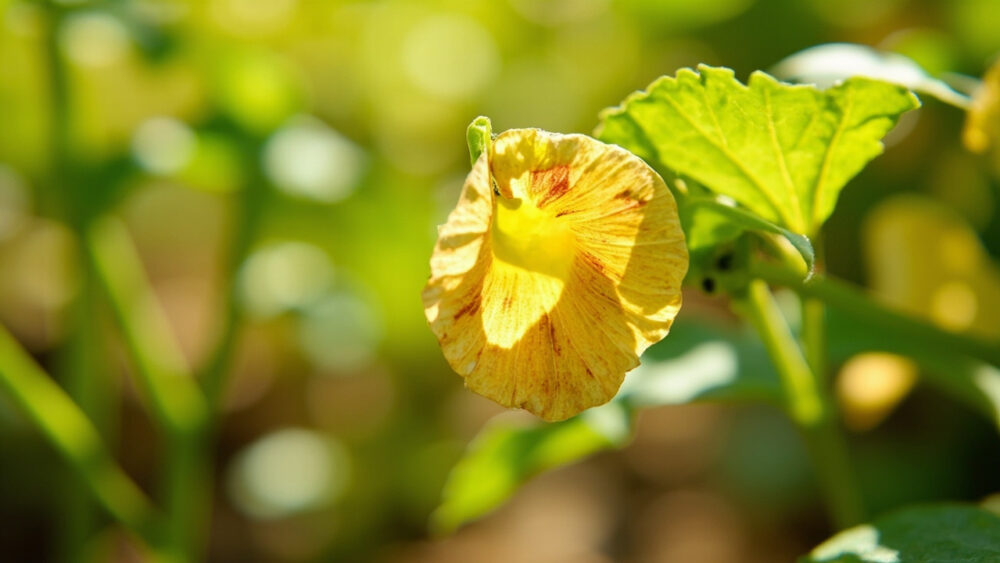
Nine times out of ten, yellow leaves on sweet peas mean the roots are sitting in soil that stays too wet, either from overwatering or poor drainage, and the fix is backing off the hose and getting water moving through that soil faster. But that is not the only cause, and if you guess wrong you can spend two weeks “fixing” a problem that was never there while the real one gets worse.
Everyone blames nitrogen firstand it is usually not the answer, especially on new leaves. The detail that actually tells you which cause you have is exactly where the yellowing starts on the plant: bottom versus top, old growth versus new growth, whole leaf versus veins-still-green. That one detail does most of the diagnostic work here.
Sweet peas do recover from most of these, some faster than others, and I will give you the honest timeline for each cause below. Stick with me through the causes and the tell-apart guide, and save the diagnosis checklist at the very bottom for the next time this happens, because it will.
Causes, Most to Least Likely
1. Overwatering or waterlogged roots
This is the top cause for sweet peas grown in containers or heavy clay. Confirm it by pushing a finger two inches into the soil: if it is soggy rather than just cool and moist, and the pot or bed has no real drainage, you have found it. Yellowing usually shows on lower and older leaves first, often with a slightly wilted or limp look even though the soil is wet.
Fix it by letting the top two inches of soil dry before watering again, and improve drainage now rather than later, either by amending heavy soil with compost and grit or by drilling extra drainage holes in a container. Sweet peas want consistently moist soil, not saturated soil, and that distinction is the whole game.
Get the water right and most of these leaves stop dropping within a week, but the next cause is easy to confuse with this one.
2. Underwatering and drought stress
Sweet peas have shallow, fast-growing roots and dry out quicker than gardeners expect, especially in containers or during a warm dry stretch. Confirm it by checking that same two inches of soil: if it is dry and crumbly rather than damp, and the yellowing comes with crispy leaf edges rather than limp tissue, this is your cause.
Water deeply enough to soak the full root zone, then mulch two inches around the base to slow evaporation. In hot weather this can mean watering every day or two for container plants, versus twice a week for those in the ground.
Once the watering rhythm is fixed, watch the older leaves specifically, because that is where the next two causes also start.
3. Nitrogen deficiency
Sweet peas are legumes and fix some of their own nitrogen, but young plants in poor soil, or plants that have been in the same container all season, can still run short. Confirm it by looking at the oldest, lowest leaves: uniform pale yellow across the whole leaf, with the rest of the plant still green, points here. New growth stays healthy looking longer with nitrogen shortages than with most other causes.
Fix it with a balanced liquid feed or a light dose of a nitrogen-containing fertilizer worked into the topsoil, following the product label rate exactly since sweet peas are easy to over-fertilize into weak, floppy growth.
If feeding does not turn things around within two weeks, the problem was never nitrogen.
4. Iron or magnesium deficiency
This shows up most in alkaline soil or soil that has been heavily limed. Confirm it by looking at the newest leaves at the growing tip: yellowing between green veins, so the leaf looks netted or lacy rather than solid yellow, is the signature. Old leaves stay green while new growth struggles, which is the reverse pattern from nitrogen deficiency.
Fix magnesium shortage with a diluted Epsom salt drench, and fix iron shortage in alkaline soil with a chelated iron feed applied per the label, since plain iron often will not stay available to the roots in high-pH soil.
A soil pH test is worth doing here before you feed anything twice.
5. Root or stem disease
Fusarium wilt and root rot both cause yellowing, but they come with a tell nutrient problems do not. Confirm it by checking the base of the stem and the roots: dark, mushy, or discolored stem tissue near soil level, or roots that are brown and slimy instead of firm and white, means disease rather than a feeding or watering issue.
There is no cure for fusarium wilt once it is established. Pull and discard affected plants, do not compost them, and avoid replanting sweet peas or other legumes in that same soil or container for at least two to three years.
This is the one cause where the fix is damage control, not repair, so it is worth ruling in or out early.
6. Natural aging of lower leaves
Sometimes yellowing is not a problem at all. Confirm it by checking how much of the plant is affected: if only the very lowest one or two leaves are yellowing on an otherwise vigorous, flowering plant, and everything else looks green and strong, this is ordinary aging, not a disorder.
No fix needed here beyond snipping off the spent leaves for tidiness. Sweet peas naturally shed their earliest leaves as the vine puts energy into height and bloom.
If more than a few scattered leaves are involved, move on to the tell-apart guide below rather than assuming this one.
How to Tell the Causes Apart
- Where it starts: lower and older leaves point to watering issues or nitrogen deficiency; new growth at the tips points to iron or magnesium deficiency.
- Leaf feel: limp and wet soil means overwatering; crispy and dry soil means underwatering.
- Pattern on the leaf: solid, even yellow means a watering or nitrogen issue. Yellow between green veins means a micronutrient shortage.
- The stem and roots: firm and white roots rule out disease. Dark, mushy stem tissue confirms it.
- How much of the plant: one or two lower leaves on a healthy vine is just aging, not a disorder.
Once you have matched your plant to one row here, the recovery outlook gets a lot more specific.
Will It Recover?
Watering problems, both directions, resolve fastest, usually within one to two weeks of correcting the routine, and the plant rarely loses more than the leaves already affected.
Nitrogen and micronutrient deficiencies improve within two to three weeks of feeding, and new growth typically comes in green and healthy even though the already-yellow leaves will not turn back green themselves.
Disease is the honest exception. Once fusarium wilt or root rot has set in, there is no bringing that plant back, and the responsible move is to remove it before it spreads to neighboring plants.
Aging lower leaves need no recovery at all, since nothing was wrong in the first place.
Knowing the outlook is useful, but preventing a repeat next season is more useful still.
How to Keep It From Happening Again
Get the drainage right before plantingnot after. Sweet peas want soil that holds moisture without staying soggy, so work in compost ahead of time and choose containers with generous drainage holes.
Water on a schedule tied to soil feel rather than a fixed number of days, checking that top two inches before every watering. Feed lightly and on a regular schedule rather than in one heavy dose, since consistent light feeding avoids both deficiency and the shock of overcorrection.
Rotate where you plant sweet peas and other legumes year to year, since fusarium wilt persists in soil and reusing the same spot invites it back.
Do all of that and yellow leaves become a rare, easily explained event instead of a mystery.
Diagnosis Checklist
- Check soil two inches down: if soggy, suspect overwatering, if dry and crumbly, suspect underwatering.
- Check where yellowing starts: lower and older leaves point to watering or nitrogen, new tip growth points to iron or magnesium.
- Check the yellow pattern: solid even yellow suggests nutrient or water stress, yellow between green veins suggests a micronutrient shortage.
- Check the stem base and roots: firm and white means no disease, dark and mushy or slimy confirms root or stem disease.
- Check how much of the plant is affected: one or two lowest leaves on an otherwise healthy vine means normal aging, no action needed.
- Match your findings to one cause above, apply that fix only, and recheck new growth in seven to fourteen days before changing anything else.
Sweet peas are forgiving plants once you know what they are telling you. Fix the actual cause, leave the rest alone, and the vine will get back to blooming.