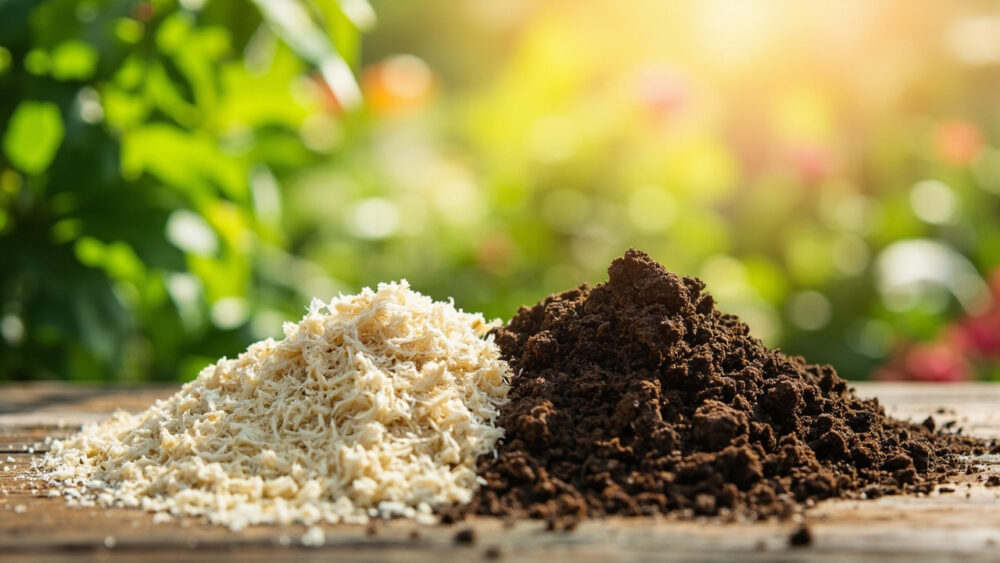
Potting soil wins for anything in a container, garden soil wins for anything in the ground, and using the wrong one is one of the fastest ways to kill a plant that had no business dying. The whole potting soil vs garden soil question comes down to drainage and weight, not fertility like most people assume. Swap them and you either drown a potted plant or starve an in-ground one, and both mistakes look like something else entirely while they are happening.
Here is the first loop worth opening: the difference everyone guesses, that they are just “different mixes of the same dirt,” is wrong in a way that matters. And the second one: there is a common situation, raised beds, where the standard advice flips and neither bagged product is really the right answer.
Stick with me to the bottom. There is a save-able side-by-side card there that settles this in ten seconds the next time you are standing in the soil aisle with a cart half full of bags.
The Key Differences
Weight and Drainage
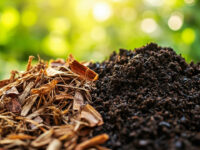
Potting soil is built to be light and airy, usually a mix of peat or coir, perlite or vermiculite, and compost, with little to no actual soil in it. It drains fast and resists compacting in a container. Garden soil is heavier, often real mineral soil blended with compost, and it is dense enough to hold its structure and nutrients in an open bed. Put garden soil in a pot and it compacts into something close to concrete within a season. Lean: this is the difference that actually decides everything else.
Nutrient Behavior
Garden soil holds nutrients and microbial life over the long haul, feeding plants slowly as organic matter breaks down. Potting soil has little natural fertility of its own, most bagged mixes rely on a starter charge of fertilizer that runs out in four to six weeks. That is why container plants need regular feeding and in-ground plants often coast on compost alone. Lean: garden soil for slow feeding, potting soil only with a feeding plan attached.
Cost and Volume
Potting soil runs noticeably more per cubic foot than garden soil or bulk topsoil. That is fine for a few pots, painful if you are filling a raised bed that eats eight to twelve cubic feet per 4×8 frame. Garden soil and bulk compost blends are the economical choice at that scale. Lean: cost favors garden soil the moment volume gets serious.
Weed Seeds and Pathogens
Bagged potting soil is typically sterilized or heat-treated, so it arrives essentially weed-free and disease-free. Garden soil, whether bagged or dug from your yard, carries live weed seeds, fungal spores, and sometimes root-knot nematodes or other soil pests. That is a real tradeoff, not a minor one. Lean: potting soil for a clean start, garden soil with eyes open about what might come along.
Those four differences decide almost every real-world case, so the next question is simply which situation you are actually in.
When Potting Soil Is the Right Call
Anything growing in a container gets potting soil, full stop. Pots, hanging baskets, window boxes, grow bags, seed-starting trays, houseplants. The drainage a container needs to avoid root rot only comes from a light, airy mix, and garden soil simply cannot deliver that in a confined space with no ground underneath to wick excess water away.
It is also the right call for anyone starting seeds indoors, since garden soil’s density and hitchhiking pathogens are exactly what kills seedlings through damping off. And it is the safer choice for a first-year container herb garden or a patio tomato in a 15-gallon grow bag, where you want predictable, weed-free results without guessing what is living in your yard’s dirt.
If your plant’s roots never touch native ground, this is not a close call.
When Garden Soil Is the Right Call
Anything going into the ground, or into a large raised bed with a deep enough footprint, calls for garden soil blended with compost. Vegetable gardens, perennial borders, shrubs, trees, and any raised bed over roughly 12 to 18 inches deep all want that mineral heft and long-term nutrient bank.
Garden soil is also the honest economic choice at scale. Filling a 4×8 raised bed with potting soil alone is expensive and, worse, that mix can dry out fast and slump over a season without real soil structure beneath it. A garden bed benefits from soil that holds moisture, anchors roots against wind, and keeps feeding plants between your compost applications.
If the roots are going to spread wider than the container that holds them, garden soil is doing the real work.
Can You Use, or Mix, Both?
Yes, and this is where the standard advice actually flips. A shallow raised bed, roughly 6 to 12 inches deep, sits in an awkward middle ground. Straight garden soil can compact and drain poorly at that shallow depth, but straight potting soil dries out too fast and costs a fortune to fill a whole bed.
The fix most experienced growers use is a blend: something like one-third garden soil or bulk topsoil, one-third compost, one-third potting mix or coarse material like perlite. That gives you drainage without the cost or the moisture swings of pure potting soil.
Never do the reverse and use potting soil for large in-ground plantings, it offers no long-term fertility and disappears into the surrounding native soil within a year or two, leaving you right back where you started.
That middle-ground blend is also exactly what settles the question for anyone still torn between the two.
The Verdict
If your plant lives in a pot, buy potting soil, no exceptions and no substitutions. If your plant lives in the ground or a deep raised bed, buy garden soil and feed it with compost over time. The only real judgment call is the shallow raised bed, and there the answer is a blend, not a pure pick of either bag. Everything else people worry about with this comparison, brand, exact ingredient ratios, whether one “feels” richer, matters far less than whether the plant’s roots are confined or free to spread.
Potting Soil vs. Garden Soil at a Glance
- Best use: Potting Soil is for containers, pots, and seed starting, Garden Soil is for in-ground beds and deep raised beds.
- Drainage: Potting Soil drains fast and stays airy, Garden Soil is dense and compacts in a container.
- Fertility: Potting Soil has a short-lived starter charge needing regular feeding, Garden Soil holds nutrients long term with compost.
- Cost: Potting Soil is expensive per cubic foot, Garden Soil is far cheaper at volume.
- Cleanliness: Potting Soil is sterilized and weed-free, Garden Soil can carry weed seeds and soil pathogens.
- Weight: Potting Soil is light for pots and hanging baskets, Garden Soil is heavy and anchors roots outdoors.
- Shallow raised beds: Neither alone is ideal, a one-third blend of both plus compost works best.
Match the soil to where the roots actually live and this decision makes itself every time.
Get that one thing right and the rest of the growing season gets a lot easier.