Money tree root rot almost always comes from a pot with no drainage or soil that stays wet for days at a time. The fix is to get the plant out of that soggy mix immediately, cut away any brown mushy roots, and repot into fresh, fast-draining soil in a pot with a real drainage hole. Wait much longer than that to act and you’re no longer treating a problem, you’re negotiating with a dead root system.
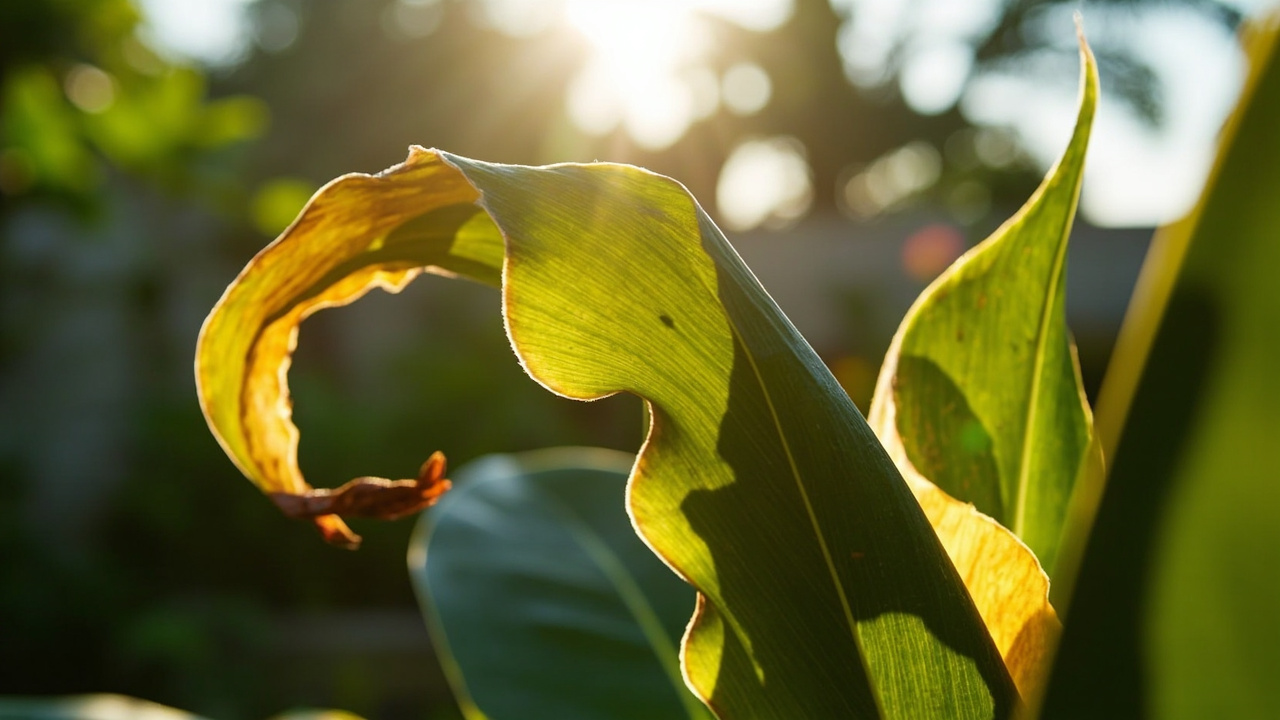
Here’s the part most people get backward: they see droopy, yellowing leaves and assume the plant is thirsty, so they water more. That single guess kills more money trees than neglect ever does. The leaves are lying to you about what the roots actually need.
There’s also no single “root rot look.” Depending on which fungus or bacteria took hold and how long it’s been going, you’ll see different tells on the trunk, the soil, and the smell test that separates a plant worth saving from one that’s already gone. Stick with me through the causes and the tell-apart guide below, then grab the two-minute diagnosis checklist waiting at the bottom.
Most Likely Causes, Ranked
1. Overwatering in normal soil
This is the cause behind most cases. Money trees store water in that thick braided trunk, so they need the soil to dry out between waterings, not stay damp.
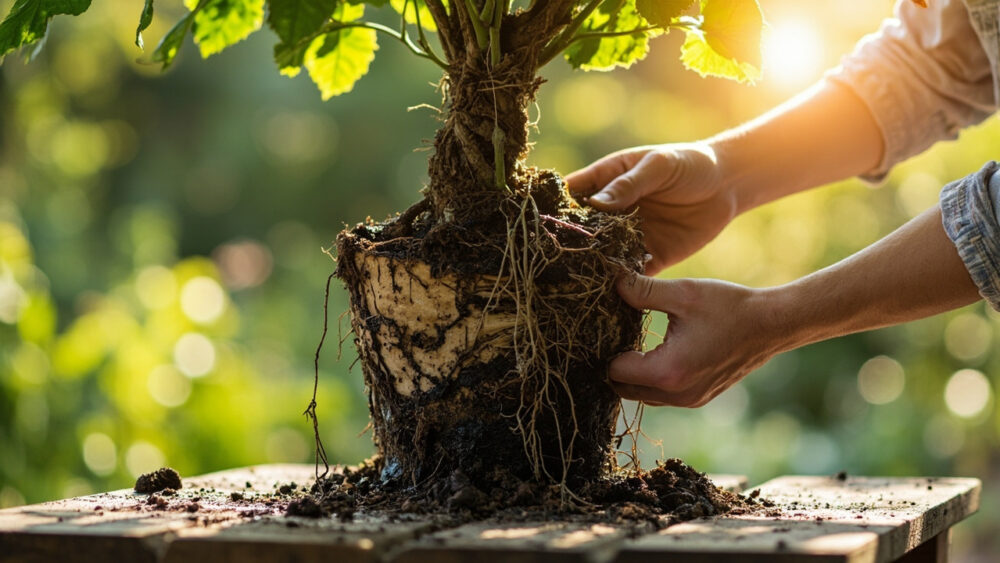
Confirm it: pull the plant from the pot. If the lower half of the root ball is dark, mushy, and slides apart in your fingers instead of holding shape, water is the culprit.
Fix it: trim off every soft, brown, or black root back to firm white or tan tissue, let the cut ends air dry for an hour, then repot into dry fresh soil. Do not water for at least five to seven days after.
But soggy soil isn’t always about how often you’re watering.
2. No drainage hole or a cache pot trapping water
A decorative pot with no hole, or an inner nursery pot sitting in standing water inside a cache pot, will rot roots even if you water on a perfect schedule.
Confirm it: lift the plant out and check the bottom of the pot for pooled water or a waterlogged, sour-smelling base layer of soil.
Fix it: repot into a container with a drainage hole, or if you love the decorative pot, keep the plant in a plastic nursery pot with holes and set that inside, dumping any runoff within fifteen minutes of watering.
Even a pot with drainage can betray you if the soil itself won’t let water through.
3. Dense, water-retentive soil
Straight potting soil, or soil packed with peat and no grit, holds water for a week or more. Roots sitting in that for days on end suffocate and rot even in a well-draining pot.
Confirm it: stick a finger two inches down four or five days after watering. If it’s still cold and wet, the mix is the problem, not your watering habit.
Fix it: repot into a mix built for money trees, roughly two parts standard potting soil to one part perlite or coarse sand, so water moves through in a few days instead of sitting.
Sometimes the soil and the schedule are both fine, and the real issue is something you can’t see from the surface.
4. Pot too large for the current root system
An oversized pot holds far more wet soil than the roots can use, so the soil around the edges stays saturated long after the plant has taken what it needs.
Confirm it: compare root mass to pot size. If roots only fill the bottom third or center of the pot with loose wet soil surrounding them, size is the issue.
Fix it: downsize to a pot only one to two inches wider in diameter than the root ball, sizing up gradually as the plant actually fills it.
If the pot size checks out and drainage is fine, look closer at what’s actually going on below the soil line.
5. Fungal pathogens in old or reused soil
Fungi like Pythium or Phytophthora thrive in wet, low-oxygen soil and spread fast once established, especially in soil reused from another plant without sterilizing it.
Confirm it: rotted roots that smell distinctly sour or sulfurous, not just musty, along with a slimy grayish coating on the root surface, point to a fungal cause rather than plain waterlogging.
Fix it: the same trim-and-repot process applies, but always use fresh, never reused, soil, and sterilize pruning tools with rubbing alcohol between cuts so you don’t spread spores to healthy tissue.
Once you’ve ruled out the soil and the pot, it’s worth checking the one factor that’s easy to forget entirely.
6. Cold, low-light stretches during winter
Money trees slow way down in low light and cool temperatures, using far less water. If you keep watering on a summer schedule through a dim winter, the roots sit wet with nowhere to send that moisture.
Confirm it: the timing lines up with shorter days or a spot near a drafty window, and the soil test from cause one comes back damp even though it’s been two or more weeks since watering.
Fix it: cut watering frequency roughly in half from fall through late winter, and always check the soil before adding water rather than watering on autopilot.
Knowing which cause fits your plant matters less than knowing where on the plant to look first, so let’s get specific about that.
How to Tell the Causes Apart
Where the damage starts is the biggest clue. Water and drainage problems usually show up as mushy roots at the base and bottom of the pot first, with yellowing starting on lower, older leaves before it climbs upward.
Fungal rot tends to move faster and can hit roots throughout the pot at once, not just the bottom, and often brings a distinct sour smell that plain overwatering doesn’t.
Cold-season overwatering shows a strange mismatch: healthy-looking upper growth with soft, dark roots below, because the plant went dormant while you kept the water coming.
New leaves that emerge already pale or stunted, rather than old leaves yellowing first, usually mean the rot has been going long enough to compromise the whole root system, not just one section.
Once you’ve matched the pattern to a cause, the next question is the one everyone actually wants answered.
Will It Recover?
If roughly a third or less of the roots are affected and the trunk is still firm with no soft spots, recovery odds are good. Trim, repot, and expect new growth within four to eight weeks.
If half the root system is gone but the trunk still feels firm when squeezed, the plant can often be saved, though it will drop some leaves and grow slowly while it rebuilds roots over the next couple of months.
If the trunk itself is soft, mushy, or dark at the base, the prognosis is honestly poor. Rot has moved past the roots into the trunk’s water storage tissue, and most plants in this state don’t recover even with a full repot.
Cut losses when the trunk is compromised, when there’s no firm white root tissue left anywhere, or when the plant has already dropped all its leaves with no green left in the stem when you scratch it lightly with a fingernail.
Whether this one makes it or not, the next plant doesn’t have to go through this at all.
How to Keep It From Happening Again
Water on the soil, not the calendar. Check two inches down before every watering and only water when it’s dry there, which for most homes is every one to three weeks depending on light and season.
Always use a pot with a drainage hole, and always empty any saucer or cache pot within fifteen minutes of water draining through.
Repot into fresh, well-draining soil every two to three years, since old soil compacts and holds water longer than it did when it was new.
Keep the pot sized to the roots, not to how big you want the plant to look, and size up only when roots visibly fill the current pot.
Get the habits right and you’ll rarely need the checklist below, but keep it handy anyway.
Diagnosis Checklist
- Check the pot: if there’s no drainage hole or water is pooled at the bottom, that’s your likely cause, fix it before doing anything else.
- Feel the soil two inches down: if it’s wet and it’s been over a week since watering, suspect overwatering or dense soil.
- Pull the plant and inspect the roots: firm and white or tan means healthy, dark and mushy means rot has started.
- Smell the root ball: a sour or sulfur smell points to fungal rot, a plain musty smell points to simple waterlogging.
- Squeeze the trunk gently near the soil line: firm means good odds of recovery, soft or mushy means the outlook is poor.
- Trim all soft, dark roots back to healthy tissue, let cuts air dry about an hour, then repot into fresh, well-draining soil.
- Hold off watering for five to seven days after repotting, then resume only when the soil is dry two inches down.
- Watch for new growth over the next four to eight weeks as your sign the plant is recovering.
A money tree with root rot isn’t a lost cause the moment you spot yellow leaves, it’s a plant asking you to check the roots before you reach for the watering can again.
Do that, fix what you find, and most of these plants come back stronger than they were before the trouble started.