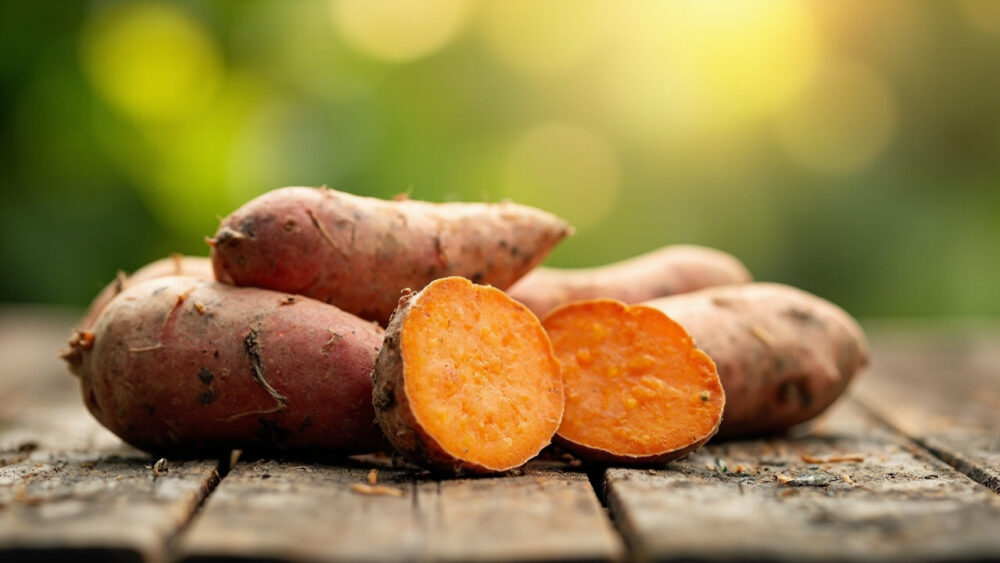
Yes, you can freeze sweet potatoes, but raw chunks straight into the freezer turn watery and stringy after thawing. The right way is to cook them first, either baked, boiled, or roasted, then freeze the cooked flesh or puree. Done right, they hold their texture and sweetness for eight to twelve months.
Most people ruin their first batch the same way, and it has nothing to do with the freezer itself. It happens earlier, at the cutting board or the pot, before the tray ever goes in.
There’s also a curing step almost nobody outside serious growers has heard of, and it changes how sweet the potatoes taste before you even get to freezing them. And if you’re wondering whether raw freezing works for at least some prep style, the honest answer surprises most people. Stick around, because the save-able Sweet Potatoes at a Glance card at the bottom sums up every timing and method in one place.
The Method That Actually Works
Cook them before they freeze. Raw sweet potato has a high water content trapped in a firm cell structure, and freezing that raw structure ruptures the cells. You get mush and weeping liquid on thaw, every time.
Bake or boil whole or cut potatoes until just tender, not falling apart, about 35 to 45 minutes baked at 400°F or 15 to 20 minutes boiled in chunks. Cool completely.
Peel if you baked them, or peel before boiling. Cut or mash into the form you’ll actually use later, since sweet potatoes are hard to reshape once frozen.
Spread pieces on a tray to freeze solid for an hour before bagging, or pack puree flat in freezer bags with the air pressed out.
That single freeze-on-a-tray step is the one most people skip, and it’s the difference between loose pieces and a solid brick.
Curing First Changes Everything
If you grew these yourself, do not skip curing. Curing means holding freshly dug sweet potatoes at 80 to 85°F with high humidity for four to seven days, then storing them around 55 to 60°F for a few weeks before eating.
This heals the harvest wounds and converts starches into sugar. Cured sweet potatoes taste noticeably sweeter and store far longer than uncured ones, whether you eat them fresh or freeze them later.
Store-bought sweet potatoes are already cured, so this step is only for the reader standing in their own garden with a wheelbarrow of them.
Skip curing and you can still freeze them, you just lose sweetness and shelf life on the front end.
Does Raw Freezing Ever Work?
Here’s the part that surprises people: raw freezing does work, but only in one narrow case. Shredded raw sweet potato for hash browns freezes acceptably if you freeze it fast, in a thin layer, and cook it directly from frozen without thawing first.
Thawing raw sweet potato before cooking is what causes the mush. Frozen straight into a hot skillet, the shreds crisp up fine because the ice converts to steam and cooks off quickly.
Whole raw chunks, however, never work. If that’s what you were picturing, that guess is the one that wastes a whole batch.
Outside of shredded hash browns, cooking first is not optional, and the next question is how long any of this actually lasts.
How Long Sweet Potatoes Keep, Method by Method
- Whole, uncooked, on the counter: one to two weeks in a cool, dark spot around 60°F.
- Whole, uncooked, in the fridge: not recommended, cold below 50°F causes a hard core and off flavor.
- Cooked, in the fridge: three to five days in a sealed container.
- Cooked and frozen: eight to twelve months at 0°F for best quality, safe indefinitely but flavor and texture fade past a year.
- Raw shredded, frozen for hash browns: three to four months, cook straight from frozen.
Those numbers assume the potato was in good shape going in, which brings up the mistake that undoes all of it.
The Prep Mistakes That Ruin a Batch
Not cooling completely before freezing is the top offender. Warm sweet potato going into a bag creates condensation, and that condensation turns into ice crystals that shred the texture on thaw.
Skipping the flash-freeze tray step is second. Pieces packed straight into a bag freeze into one solid clump, so you thaw the whole bag for one serving.
Leaving too much air in the bag causes freezer burn, that grayish, dry, leathery patch that tastes like cardboard. Press bags flat and squeeze out air before sealing, or use a vacuum sealer if you have one.
Overcooking before freezing is the quiet one. Potatoes that were already falling apart at the pot stage will be baby food after a freeze-thaw cycle.
Get the cooking stage right and the signs of spoilage become easy to read, but only if you know what to look for.
Signs Sweet Potatoes Have Turned
On the counter or in storage, watch for soft wet spots, a sour smell, and dark shriveled patches. Sprouting is not automatically a dealbreaker, just cut around it, but a soft mushy potato anywhere should go in the compost, not the pot.
In the freezer, spoilage looks different. Freezer burn shows as pale, dry, papery patches, still safe to eat but poor quality.
A genuinely off smell after thawing, sour or fermented, means bacteria got in before freezing, likely from incomplete cooling or a container that wasn’t sealed well. That batch should be discarded.
Ice crystals inside the bag in large clumps usually mean a temperature swing, the freezer door was opened too often or the batch partially thawed and refroze.
None of that is fixable after the fact, which is exactly why the steps upstream matter more than anything you do at pickup time.
Sweet Potatoes at a Glance
- Best freezing method: cook first by baking or boiling until just tender, cool fully, then freeze on a tray before bagging.
- Raw freezing: only works for shredded hash browns, cooked directly from frozen without thawing.
- Counter storage: one to two weeks, cool and dark, around 60°F, never refrigerate raw whole potatoes.
- Fridge, cooked: three to five days in a sealed container.
- Freezer, cooked: eight to twelve months at 0°F for best flavor and texture.
- Curing homegrown potatoes: four to seven days at 80 to 85°F with high humidity, then a few weeks around 55 to 60°F before eating or freezing.
- Top mistake: bagging while still warm or skipping the flash-freeze step, both cause mushy, clumped results.
Cook it first, cool it fully, freeze it flat. That’s the whole trick, and it works every time you actually do it in order.