Topsoil vs garden soil is really a question about scale and purpose, not quality. If you’re filling a large area or leveling ground, topsoil wins on cost and volume. If you’re growing anything in a raised bed or container this season, garden soil wins because it’s already set up to grow things, and topsoil usually is not.
Here’s the part almost nobody tells you: topsoil is not automatically better soil despite the name, and garden soil is not one standardized product, it’s whatever blend the bag says it is. The bag labeling is where most people get fooled, and it’s the difference that actually decides this, not texture or color.
Stick around, because there’s a mixing situation later where the usual advice flips completely, and the full side-by-side card is waiting at the bottom so you can save it before you buy anything.
The Key Differences That Actually Matter
What’s Actually In The Bag
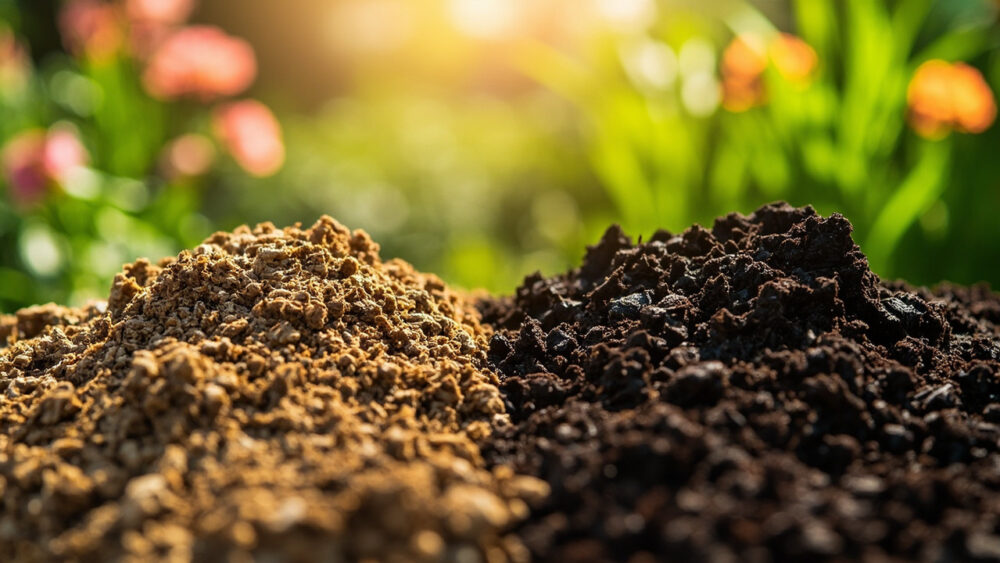
Topsoil is just the upper layer of native earth, screened for rocks and debris, sometimes blended with a bit of compost. It varies wildly by supplier. Garden soil is topsoil intentionally amended with compost, aged manure, or other organic matter to feed plants right away. One is a raw ingredient, the other is closer to a finished recipe.
That single distinction explains almost every other difference on this list.
Nutrient Content And Structure
Straight topsoil can be nutrient-poor or heavy with clay, depending on where it was dug. It has no guaranteed fertility. Garden soil is formulated to drain reasonably well and feed new plantings for the first several weeks. If you dumped pure topsoil into a raised bed and planted into it untouched, you’d likely get compacted, stingy growing conditions.
Fertility is where garden soil earns its higher price, and it’s not marketing fluff.
Cost And Volume
Topsoil is sold in bulk by the cubic yard and is cheap per square foot, which matters fast once you’re filling anything larger than a single raised bed. Garden soil comes bagged, usually by the cubic foot, and costs several times more per cubic yard once you do the math. Buying garden soil to fill a large bed or level a yard gets expensive in a hurry.
Scale changes the right answer here more than any other factor.
Best Use Case
Topsoil is a base layer, a fill material, a lawn leveler, a way to build up grade before you plant grass seed. Garden soil is a growing medium, meant to go where roots will actually sit. Confusing the two jobs is the single most common mistake people make at the garden center.
Get the use case wrong and even good soil will underperform.
When Topsoil Is The Right Call
Reach for topsoil when you’re filling low spots in the lawn, building up grade before sodding or seeding turf, or bulk-filling the bottom two-thirds of a deep raised bed where roots won’t reach anyway. It’s also the right pick if you plan to blend your own custom mix and want a cheap, neutral base rather than a pre-fed one.
Anyone working in bulk, meaning multiple cubic yards for a new bed system or a yard regrade, should be buying topsoil and amending it themselves. Paying bagged garden soil prices for that volume doesn’t make financial sense.
If your project is measured in yards, not quarts, topsoil is almost always the smarter buy.
When Garden Soil Is The Right Call
Choose garden soil when you’re filling a new raised bed or large container and want to plant into it within the week. It’s also the better call for anyone whose native ground soil is genuinely poor, thin, rocky, or compacted clay, since garden soil arrives already carrying the organic matter that soil needs before roots will spread through it.
First-time vegetable gardeners in particular should lean garden soil for the top 8 to 12 inches of any new bed. You want the plant’s actual root zone to have food in it from day one, not sometime next season after amendments break down.
If you’re planting soon, garden soil saves you a step you’d otherwise have to do yourself.
Can You Use Or Mix Both?
Yes, and for most raised beds this is actually the smart move rather than a compromise. Fill the lower two-thirds to three-quarters of a deep bed with cheap topsoil, since roots of most vegetables and annuals don’t work that deep anyway, then cap the top 8 to 12 inches with garden soil or a garden soil and compost blend where the roots actually live.
This is the flip the intro promised: for a deep bed, buying all garden soil is often the wasteful choice, not the safe one, because you’re paying amended prices for dirt that just sits there as fill. The reverse mistake, all topsoil with no amendment at the root zone, shortchanges the plant instead.
Layering, not choosing, is the real answer for anyone building a bed from scratch.
The Verdict
For filling, leveling, or bulk projects, buy topsoil and save your money. For anything you intend to grow in within the next few weeks, whether that’s a new raised bed, a container, or patched-in native soil that’s clearly depleted, buy garden soil and let its built-in fertility do the early work. If you’re doing both, a deep bed filled mostly with topsoil and capped with garden soil beats an all-of-one-thing approach almost every time, and it costs less than filling the whole bed with the bagged stuff.
Topsoil vs. Garden Soil at a Glance
- What it is: Topsoil is raw native earth screened of debris, Garden Soil is topsoil pre-amended with compost or manure.
- Fertility: Topsoil has no guaranteed nutrients, Garden Soil is formulated to feed plants for the first several weeks.
- Best use: Topsoil works as fill or a base layer for lawns and deep beds, Garden Soil belongs in the top 8 to 12 inches where roots actually grow.
- Cost: Topsoil is cheap per cubic yard in bulk, Garden Soil costs several times more per yard when bought bagged.
- Best for: Topsoil suits large fill jobs and DIY blenders, Garden Soil suits new raised beds, containers, and poor native soil.
- Mixing: Layer topsoil below and Garden Soil on top in deep beds for the best result at the lowest cost.
Match the product to the job, not the name on the bag.
That’s the whole decision, and now you can shop for exactly what your project needs.