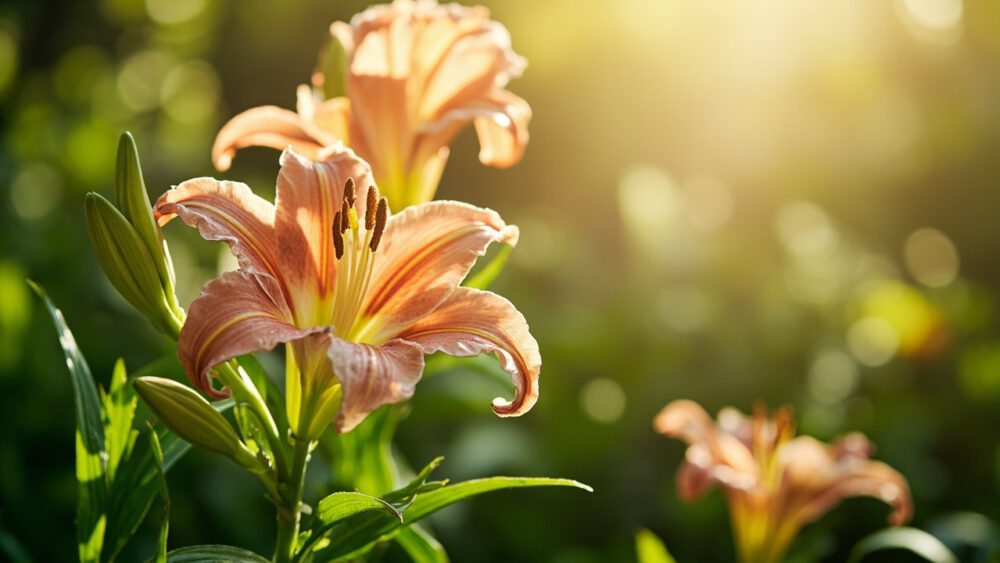
Most lilies bloom in early to mid summer, roughly June through July, with individual bulbs staying in flower for two to three weeks. But that answer shifts depending on which lily you actually planted, because the lily family covers a longer stretch of the calendar than most people realize.
Some types are just getting started when the early ones are already finished. Others will rebloom well into September if you treat them right. There is also one mistake that quietly shortens the show on almost every lily in the ground, and most gardeners never connect it to the plant that stopped flowering.
Stick with this and you will know exactly what your specific lily is doing and why, plus the aftercare that stretches a two-week bloom into something closer to a month. There is a save-able quick-reference card waiting at the bottom once you have the full picture.
The Real Bloom Window, Type by Type
Lilies do not all bloom on the same schedule, which is the part that trips people up when they compare notes with a neighbor. Asiatic lilies open first, typically early to mid summer, and tend to be done within a few weeks. Trumpet and Aurelian lilies follow a few weeks behind them.
Oriental lilies, the big fragrant ones, peak in mid to late summer, often July into August. Species lilies and some of the later hybrids can push blooms into early September in cooler climates.
If you plant a mix of types on purpose, you can stretch lily season from June through September instead of getting one loud two-week burst.
Knowing which type you have explains half of what your plant is doing right now, but the other half comes down to conditions in your own yard.
What Actually Controls Bloom Timing
Bloom timing tracks soil warmth and light more than the calendar does. A lily bulb needs the soil to warm up and hold steady before it pushes real growth, so a cold, wet spring delays everything by a week or two regardless of what the tag promised.
Sun exposure matters just as much. Lilies want at least six hours of direct sun; in partial shade they still bloom, just later and often with fewer flowers per stem.
Planting depth and bulb age play a role too. A bulb planted shallow or moved last fall may take a full season to settle in before it blooms on schedule.
So if your lily seems behind your neighbor’s, check the sun and the calendar of when it went in the ground before you assume something is wrong.
Getting More Blooms Per Stem, Not Just More Weeks
If you want more flowers rather than just a longer window, the fix is mostly about feeding and spacing, not luck. Lilies are heavy feeders during active growth. A phosphorus-and-potassium leaning fertilizer applied when shoots emerge, and again as buds form, pushes more flowers per stem and sturdier stalks.
Crowded bulbs bloom less. If a clump has gone three or four years without dividing, lift and separate the bulbs in fall and you will see a noticeable jump in flower count the following summer.
Consistent moisture during bud formation matters more than people expect. Drought stress right before bloom is one of the most common reasons a healthy-looking plant produces fewer, smaller flowers than it did the year before.
That covers more flowers this year, but staggering bloom time across the whole season is a different move entirely.
Stretching the Season with What You Plant
The honest way to get lilies blooming from early summer into fall is to plant several types, not to trick one plant into flowering longer than its type allows. Pair early Asiatics with mid-season trumpets and late Orientals, and you get a relay instead of one event.
Staggering planting depth and location helps too. Bulbs planted in a slightly cooler, shadier spot will lag a bit behind ones in full sun, which naturally spreads out bloom time without any extra work.
This is the trick most catalogs mention once and most gardeners forget by the time they are actually shopping.
Why Your Lily Isn’t Blooming
If you assumed a lily that skips bloom just needs more water, that guess misses the more common causes. The usual culprits are not enough sun, bulbs planted too shallow, overcrowding, or foliage that got cut back too early the previous year.
Lily bulbs rebuild next year’s flower inside the bulb using this year’s leaves after bloom finishes. Cut the foliage down while it is still green and you are removing the fuel for next season’s flowers, which is why a lily can skip a whole year after being tidied up too soon.
Red lily beetle and vole damage to bulbs are worth ruling out too, especially if stems emerge weak or chewed. Check the base of the stem and the bulb itself if growth looks stunted rather than assuming it is a timing problem.
- Too little sun: fewer than six hours of direct light usually means fewer or smaller blooms.
- Overcrowded bulbs: clumps left more than three to four years often bloom less until divided.
- Foliage cut too early: removing green leaves right after bloom weakens next year’s flowering.
- Bulb or root pests: voles and red lily beetles can damage bulbs enough to stall growth.
A non-blooming lily is almost always fixable, and the fix usually starts with what you did to it last fall.
Deadheading and Aftercare That Extend the Show
Deadheading spent flowers does not make a lily rebloom, but it does redirect energy back into the bulb instead of into seed production, which matters for next year’s display. Snap off the faded flower just below the bloom, leaving the stem and all the foliage intact.
Leave the stem and leaves standing until they yellow and die back naturally on their own, usually into early fall. That green foliage is doing the real work of recharging the bulb for next summer.
A light mulch after the ground freezes protects bulbs through winter in colder zones, and a spring feeding as shoots emerge sets up the next bloom cycle before it even starts.
Get that part right and the quick-reference card below is really all you need to keep on hand from here.
Lilies: Quick Reference
- Bloom season: early to mid summer for Asiatic and trumpet types, mid to late summer for Oriental types, into early fall for some species and late hybrids.
- Bloom length per bulb: two to three weeks, longer overall if you plant a mix of types.
- Timing depends on: soil warmth, sun exposure, planting depth, and how long the bulb has been established.
- To get more flowers: feed at shoot emergence and bud formation, keep soil consistently moist near bloom time, divide crowded clumps every three to four years.
- Common reason for no bloom: not enough sun, foliage cut back too early the prior year, overcrowding, or bulb pest damage.
- Aftercare: deadhead spent flowers, leave foliage standing until it yellows naturally, mulch after freeze in cold climates.
Once you know which type is in the ground and what it needs, the bloom window stops feeling unpredictable.
From there it is just maintenance, and lilies reward maintenance more generously than most flowers do.