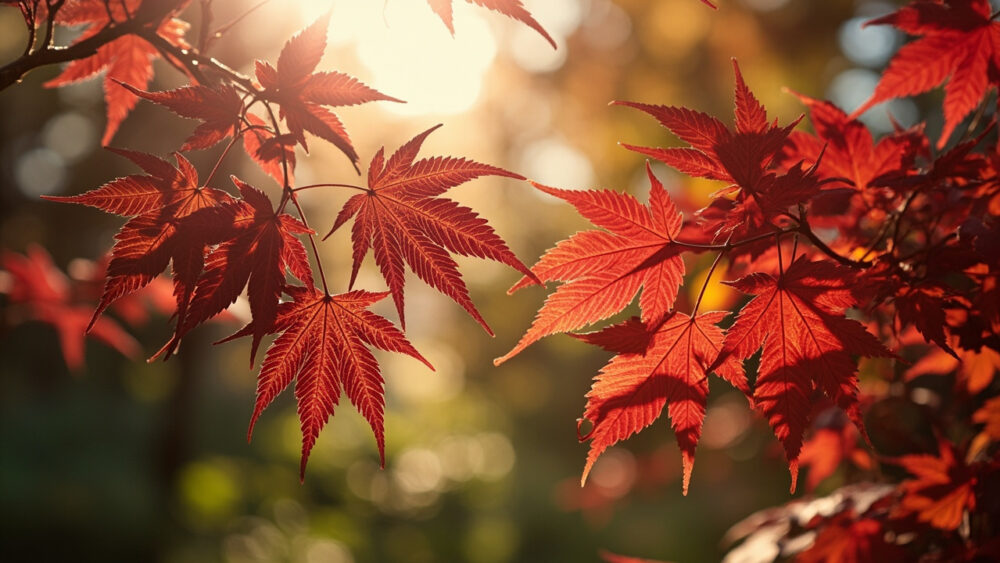
The honest answer: if you want a small, sculptural tree for a front yard bed or a patio corner, pick Japanese maple. If you want fast shade over a big lawn and don’t mind a tree that eventually needs real room, pick red maple. This Japanese maple vs red maple decision is really a size and purpose question dressed up as a species question. Most people comparing them are not actually choosing between two similar trees, they’re choosing between a specimen plant and a shade tree that happen to share a genus.
Here’s the part nobody tells you upfront: the fall color everyone assumes decides this comparison actually doesn’t, both trees can turn spectacular shades of red and orange depending on cultivar and season, so that’s not your deciding factor. The real fork in the road is root aggressiveness and mature footprint, and it flips the “obvious” choice for a lot of small yards.
Stick around for the section on when the usual advice actually reverses, plus a save-able side-by-side card at the very bottom with every dimension lined up so you can screenshot it before you head to the nursery.
The Key Differences
Growth Habit and Size
Japanese maple (Acer palmatum) tops out around 15 to 25 feet for most upright varieties, and many popular cultivars stay under 10 feet with a weeping, layered shape. Red maple (Acer rubrum) is a full-size shade tree, routinely hitting 40 to 60 feet with a 30 to 40 foot spread. If you’re planting near a house foundation, patio, or septic line, that difference alone should decide it.
Size at maturity is the single biggest factor most first-time buyers underestimate.
Growing Conditions and Climate
Red maple is tough and adaptable, hardy in USDA zones 3 to 9, and it tolerates wet soil, clay, and urban pollution better than almost any shade tree you can buy. Japanese maple is pickier, generally happy in zones 5 to 8, and it wants well-drained soil and some afternoon shade in hot climates or the leaf edges will scorch by midsummer. If your yard floods after heavy rain or bakes in full sun with no relief, that changes which tree survives.
This is where climate reality starts overriding personal preference.
Care and Maintenance
Japanese maple is low maintenance once sited correctly, but sitting it correctly is the hard part: wrong sun exposure or wind exposure and you’ll fight leaf scorch every August. Red maple needs almost no babying on siting but drops a heavy load of seeds, twigs, and leaves, and its surface roots can heave sidewalks and lawns within 15 to 20 years. Neither is truly fussy, but they’re fussy about different things.
The maintenance difference shows up years later, not in the first season.
Root Behavior and Placement
This is the difference that actually decides most real-world cases. Red maple roots run shallow and wide, and they will absolutely find your water line, driveway edge, or septic field if planted within 15 to 20 feet of it. Japanese maple has a much more compact, well-behaved root system, which is exactly why it works in small beds and near patios where a red maple would eventually crack the pavers.
If you take one fact from this whole comparison, take this one.
Cost and Availability
Red maple is cheap and everywhere, a common nursery stock tree that costs a fraction of a named Japanese maple cultivar of similar container size. Japanese maples, especially named cultivars with dissected or variegated leaves, can cost several times more for a much smaller tree, because they’re slower growing and often grafted. You’re paying for form and detail, not size.
Budget matters here, but it’s not the whole story.
When Japanese Maple Is the Right Call
Pick Japanese maple if you’re planting a focal point, not a shade tree: a front entry bed, a courtyard, a spot visible from your kitchen window year-round. It earns its keep in small spaces, containers, and Japanese-style or minimalist garden designs where its branching structure matters as much as its color. It’s also the right call if your space is genuinely tight, within 10 to 15 feet of a foundation, walkway, or patio, where a red maple’s roots and size would become a problem in a decade.
But there’s a situation where this whole recommendation flips.
When Red Maple Is the Right Call
Red maple wins if your actual goal is shade over a lawn or patio within a reasonable number of years, since it grows 2 to 4 feet a season versus the Japanese maple’s much slower pace. It also wins on tough sites: wet low spots, compacted urban soil, street tree plantings, anywhere you need a tree that shrugs off conditions rather than one you have to baby into place. If your yard is large enough that mature spread isn’t a threat to structures, red maple gives you far more tree for far less money and far less fuss.
Now here’s where people assume the choice is locked in, and it isn’t.
Can You Grow Both?
Yes, and it’s a genuinely good combination in a yard with enough room, because they solve different problems. Plant the red maple where you want long-term shade, 20 feet or more from the house and hardscape, and use a Japanese maple as an understory or specimen tree closer to the patio or entry where you’ll actually see its detail up close. Just don’t plant them close to each other. Red maple’s canopy will eventually shade out a Japanese maple that wants some sun, and its roots will out-compete the slower maple for water in dry spells.
That spacing rule is the one thing that keeps this pairing from becoming a maintenance headache later.
The Verdict
If you’re picking one tree for a small or medium yard where you want a beautiful, manageable focal point near the house, go Japanese maple and accept the higher price and the sun-siting homework. If you want a fast, tough, affordable shade tree for a yard with real room to grow, go red maple and give its roots the 15 to 20 feet of clearance they’ll eventually demand. For most people asking this exact question because they have a modest suburban lot and want one tree near the front of the house, Japanese maple is the better fit, because the alternative is a tree that outgrows the space it was planted in.
Japanese Maple vs. Red Maple at a Glance
- Mature size: Japanese Maple stays 15 to 25 feet, often under 10 for weeping cultivars, Red Maple reaches 40 to 60 feet with a 30 to 40 foot spread.
- Hardiness zones: Japanese Maple thrives in zones 5 to 8, Red Maple handles zones 3 to 9.
- Growth rate: Japanese Maple grows slowly, often under a foot a year, Red Maple grows fast at 2 to 4 feet a year.
- Sun and soil: Japanese Maple wants well-drained soil and afternoon shade in hot climates, Red Maple tolerates wet clay, full sun, and urban pollution.
- Root behavior: Japanese Maple has compact, well-behaved roots safe near patios, Red Maple has shallow, aggressive roots that can heave sidewalks and invade pipes.
- Maintenance: Japanese Maple needs careful siting to avoid leaf scorch, Red Maple needs cleanup of heavy seed and leaf drop plus root monitoring.
- Cost: Japanese Maple costs significantly more per tree, especially named cultivars, Red Maple is cheap and widely available nursery stock.
- Best use: Japanese Maple works as a specimen or focal point near the house, Red Maple works as a fast shade tree for open lawns and larger properties.
Match the tree to the space you actually have, not the space you wish you had.
Get that right and either one will outlast the house it’s planted next to.