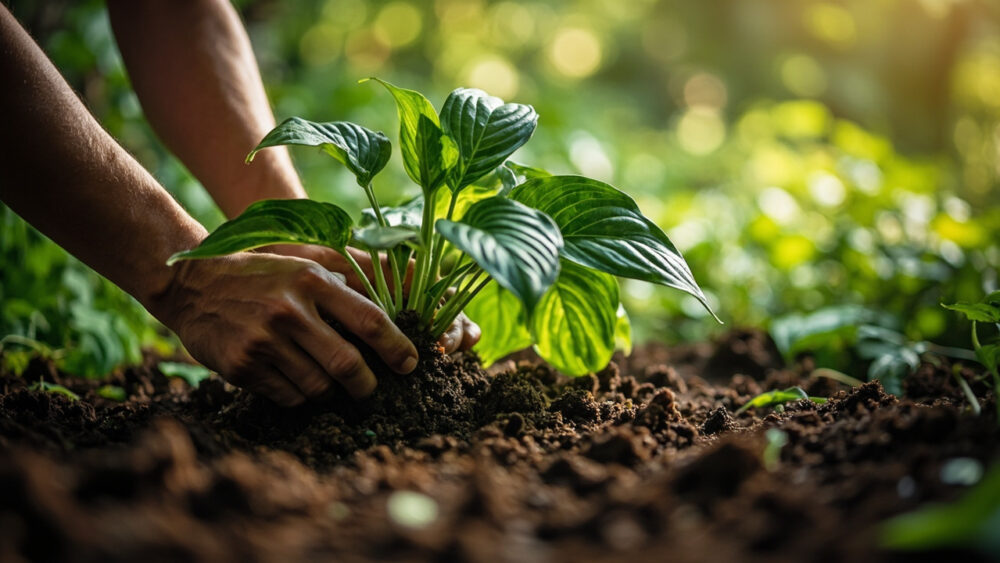
The real window for planting hostas is spring, from about two weeks before your last frost date through six weeks after it, once soil has thawed and can be worked with a shovel. A second, shorter window opens in early fall, roughly six weeks before your first hard frost, giving roots time to settle before the ground goes cold. Outside those two windows, you’re asking a plant to establish roots while fighting either frozen soil or brutal heat, and hostas do not forgive that quietly.
Most people planting hostas make one specific mistake that has nothing to do with the calendar: they plant at the right time but bury the crown wrong, and the plant sulks for a full year before anyone figures out why. There’s also a sign on the plant itself that tells you your personal window has arrived, and it’s not the date on a seed packet. And if you’re wondering whether a bagged, bare-root hosta from a big-box store in March is playing by the same rules as a potted one in June, the honest answer is no, and it matters.
Stick with me through the details and you’ll get a save-able Hostas at a Glance card at the bottom with every number in one place.
The Actual Planting Window, Anchored to Frost and Soil
Hostas are herbaceous perennials, meaning they die back to the ground every winter regardless of your climate, so you’re not racing frost the way you would with a tomato. Your real target is soil temperature and workability, not air temperature. Spring planting is ideal once soil hits about 50°F and is no longer waterlogged, which typically lands two to four weeks before your last frost date through late spring.
Fall planting works just as well, sometimes better, if you get plants in the ground at least six weeks before your first fall frost. That gives roots time to establish before dormancy without pushing new top growth into a freeze.
Summer planting from potted nursery stock is possible but riskier, since heat stresses new roots before they’ve spread.
Knowing the calendar window is one thing, but your own yard has its own clock, and that’s where most timing mistakes actually happen.
How to Tell Your Real Window, Not the Textbook One
Forget the calendar for a second and check the soil. Grab a handful from four to six inches down. If it’s still cold, sticky, and compacts into a mud ball, it’s too early no matter what the date says. You want soil that crumbles loosely in your hand and feels cool, not cold, to the touch.
If you already have hostas in the ground, watch them. The classic guess is to plant new ones “whenever the old ones look good,” but by the time hostas are fully leafed out, you’ve missed the easiest transplant window. The better sign is the tight, pointed shoots called “eyes” just breaking the soil surface, usually looking like small purple or green cones. That’s your green light for dividing and planting bare-root stock, not full leaf-out.
In fall, your signal isn’t a date either. It’s simply counting backward from your average first frost.
What Happens If You Plant Too Early or Too Late
Plant too early into cold, wet spring soil and hosta roots sit idle and are prone to rot, especially in heavy clay that stays saturated. The plant may emerge weeks late, stunted, or not at all that first year.
Plant too late in fall, closer than four weeks to a hard freeze, and roots don’t get enough time to anchor before dormancy. The plant usually survives since hostas are tough, but it often comes up small and behind schedule the following spring, sometimes taking a full extra season to catch up to where it should be.
Summer planting in high heat without consistent moisture is the other common failure point, since new transplants can scorch or wilt hard in their first two weeks.
None of these mistakes usually kill a hosta outright, but they all cost you a season of growth you didn’t need to lose.
The Bare-Root Trap Almost Everyone Falls Into
Here’s the mistake that ruins more hosta plantings than bad timing does: burying the crown too deep. The crown is where the shoots emerge from the roots, and it needs to sit right at or barely below soil level, no more than an inch under.
Bare-root hostas, the kind sold in bags at big-box stores in early spring, are especially prone to this because there’s no pot line to guide you. Gardeners bury the whole root mass two or three inches deep out of caution, and the plant spends the entire first year pushing to find the surface instead of growing leaves.
Potted nursery hostas are more forgiving since you can match the existing soil line, but even then, planting too deep in heavy soil invites crown rot.
Get the depth right and the rest of hosta planting is almost embarrassingly simple.
Prep to Do Before the Window Opens
Hostas want rich, well-draining soil with consistent moisture, so amend now rather than at planting time. Work two to three inches of compost into the bed if your soil is heavy clay or thin and sandy.
Space plants based on their mature spread, not their current size. Small varieties need about 12 to 18 inches between plants; larger varieties can spread 3 feet or more and need that much room on all sides.
Pick the site with mature shade in mind, too. Most hostas want part to full shade, especially afternoon shade in hot climates, though gold and yellow-leaved varieties tolerate more morning sun.
Dig your holes twice as wide as the root mass and only as deep as the crown requires, and you’re set before the plant even arrives.
Zone and Region Notes That Actually Change the Timing
In USDA zones 3 to 5, spring soil warms slowly, so wait until you can work the ground without it clumping, often mid to late spring even if air temperatures feel warm. Fall planting here needs extra buffer, closer to eight weeks before frost, since cold arrives fast.
In zones 6 to 7, both spring and fall windows are wide and forgiving, and this is genuinely the easiest range to grow hostas in.
In zones 8 and warmer, skip summer planting almost entirely. Heat and humidity stress new roots, and fall or even winter planting, once soil cools, often outperforms spring here.
Wherever you garden, the same crown depth and moisture rules apply, only the calendar shifts.
Hostas at a Glance
- When to plant: spring from two weeks before last frost through late spring, or fall starting about six weeks before first frost.
- Soil signal: plant when soil at 4 to 6 inches deep crumbles loosely and feels cool, not cold or muddy.
- Planting depth: crown at or no more than 1 inch below soil level, never buried deep.
- Spacing: 12 to 18 inches for small varieties, 24 to 36 inches or more for large, spreading varieties.
- Light: part to full shade for most types, gold or yellow varieties tolerate more morning sun.
- Soil prep: work 2 to 3 inches of compost into heavy or sandy soil before planting.
- Zone notes: zones 3 to 5 need a later spring start and earlier fall cutoff, zones 8 and up should avoid summer planting and lean on fall.
Get the crown depth right and plant inside your soil’s real window, not the calendar’s, and hostas take care of the rest themselves.
Everything else about growing them big and full comes down to patience, not tricks.