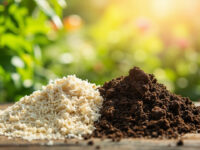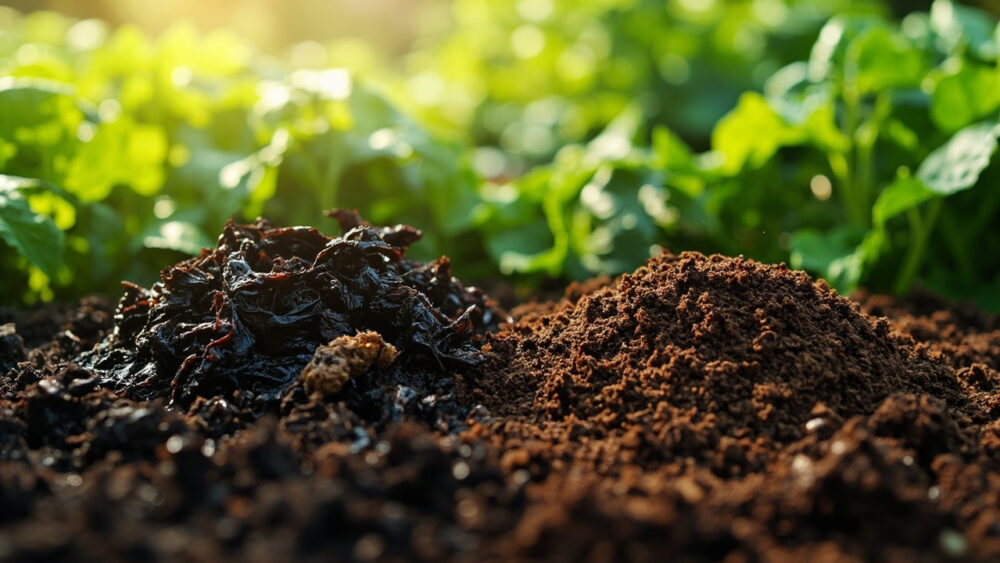
If you have to pick one: compost is the safer, more universal choice for almost every home gardener, and manure is the better pick if you have a serious vegetable garden or depleted soil that needs a real fertility boost. That is the honest manure vs compost answer, not a shrug. The two get lumped together because they both look like dark crumbly soil amendments, but they behave very differently once they hit your beds.
Here is what actually decides it: not which one is “more natural,” and not which one smells worse fresh out of the bag, but how much nitrogen it dumps into your soil and how fast. Get that wrong and you can burn seedlings or feed weeds you did not plant. There is also a timing rule almost nobody tells new gardeners, and it is the single most common way manure ruins a spring garden.
Stick with me through the differences that matter and the ones that do not, and I will give you a straight verdict, plus a save-able side-by-side card at the very bottom so you never have to re-research this at the garden center again.
The Key Differences
Nutrient Content and Strength
Manure is a real fertilizer as much as a soil amendment. Fresh manure, especially from chickens or other poultry, is hot with nitrogen and can scorch roots and leaves if applied directly. Compost is milder and more balanced, closer to a soil conditioner than a feed.
If your soil already tests decent, compost is plenty. If it is genuinely worn out, manure moves the needle faster.
Timing and Safety
This is the part that trips people up. Fresh or even semi-fresh manure needs to age, and it needs distance from harvest, generally 90 to 120 days before you eat anything that touches the soil, longer for root crops and leafy greens grown close to the ground. Compost has no such waiting period once it is finished, meaning fully broken down, dark, crumbly, and no longer heating up in the pile.
Get the timing wrong with manure and you are not just risking burned plants, you are risking pathogens on your food.
Weed Seeds and Cost
Manure, particularly from horses and cows that graze on hay and pasture, often carries weed seeds straight through the animal’s gut. Compost, if it got hot enough during breakdown (roughly 130 to 160°F at the core for a sustained stretch), kills most seeds and pathogens outright. On cost, manure is frequently free or cheap from a local farm, while bagged compost or delivered bulk compost runs you real money.
Free is tempting, but free manure loaded with weed seeds is a summer of regret.
Texture and Long-Term Soil Building
Compost is the better long-game soil builder. It improves structure, water retention, and the microbial life in your soil in a way manure alone does not match, because compost is already partially digested organic matter from many sources, not just animal waste. Manure adds fertility but leans less on structure unless it is well aged and mixed with bedding like straw.
That structural difference is exactly why so many gardeners end up using both instead of picking a side.
When Manure Is the Right Call
Reach for manure if you are working with genuinely poor, sandy, or exhausted soil that needs a real nitrogen jolt, especially for heavy feeders like corn, squash, and brassicas. It is also the right call if you have access to a well-aged source, ideally composted for six months to a year, from a farm you trust.
Gardeners with large vegetable plots and enough lead time in fall or early spring get the most out of manure, because they can apply it, let it age in place, and plant well after the safety window closes. If you are impatient or growing in small raised beds near the house, straight manure is a harder fit.
Manure rewards planning, not patience after the fact.
When Compost Is the Right Call
Compost wins for nearly everyone else. If you garden in containers, raised beds, or a small backyard plot, if you want to amend soil right before or even during the growing season, or if you are growing greens, herbs, or root vegetables you will eat soon after harvest, compost is the lower-risk, no-wait option.
New gardeners especially should default to compost. It is far harder to overdo, it will not torch tender seedlings, and it does not carry the same weed-seed or pathogen risk that raw or under-composted manure does.
If you are not sure which one your garden needs, compost is the one you almost cannot get wrong.
Can You Use (or Grow) Both?
Yes, and honestly this is what most experienced gardeners actually do. A common approach is applying well-aged manure in fall so it has all winter to mellow, then top-dressing with finished compost in spring right before planting for that immediate, safe boost.
You can also blend them directly: mix aged manure into your compost pile itself, where it composts down further and loses its “hot” edge while adding nitrogen that speeds up the whole pile’s breakdown. This is one of the best uses for manure if you are nervous about applying it straight to beds.
The only real mistake is using both fresh and both right before planting, since that stacks nitrogen and heat risk instead of balancing it.
The Verdict
Compost is the everyday workhorse: safe on nearly any timeline, gentle enough for containers and raised beds, and the better long-term investment in soil health. Manure is the specialist tool for tired, hungry soil and gardeners willing to plan months ahead and source it well-aged. If you only ever buy one amendment this year, buy compost. If you already garden seriously and have room to plan a season out, add well-aged manure to your fall routine and let compost handle the rest.
Manure vs. Compost at a Glance
- Nitrogen strength: Manure is strong and can burn plants fresh, Compost is mild and rarely burns anything.
- Timing before harvest: Manure needs 90 to 120 days aged before harvesting edibles, Compost needs no waiting period once fully finished.
- Weed seeds: Manure often carries weed seeds through animal digestion, Compost kills most seeds if it heated properly during breakdown.
- Soil structure: Manure adds fertility more than structure, Compost significantly improves texture, drainage, and microbial life.
- Cost: Manure is often free or cheap from local farms, Compost, especially bagged or delivered, usually costs more.
- Best users: Manure suits large vegetable gardens with fall planning time, Compost suits containers, raised beds, and new gardeners.
- Risk level: Manure carries burn and pathogen risk if used too fresh or too late, Compost carries almost no risk once fully finished.
- Best combo move: Age manure through fall and winter, then top with finished compost right before spring planting.
Save this card for the next time you are standing in the garden aisle arguing with yourself.
Your soil will tell you which one it needed within a season.